Full article about Santo Estêvão bells echo across Barcel-Marmelos-Valverde
Trás-os-Montes parish where carnival leather masks outnumber residents 320-to-48 km²
Hide article Read full article
The church bell strikes three times, its iron note thinning in the cold January air. On the packed-earth square, six men loiter beside a waist-high wall of stacked schist, hands in coat pockets, breath turning to ghosts. Below them, smoke from an olive-wood fire rises ruler-straight from a farmhouse roof before unravelling against the pale sky. Today is Santo Estêvão, and the parish boys are tightening the leather straps of their carnival masks, ready for the ritual that has claimed them since they could walk.
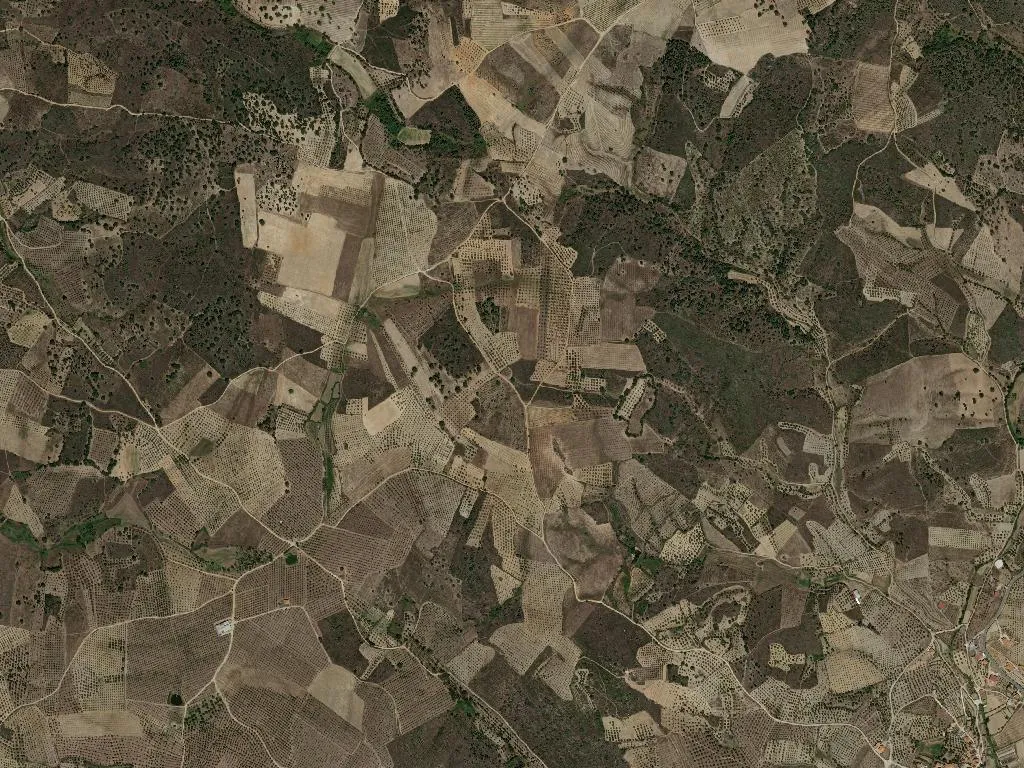
Barcel, Marmelos and Valverde da Gestosa were stitched into a single administrative parish in 2013, but no one here counts time that way. The census says 320 souls across 48 square kilometres of Trás-os-Montes—six humans for every square kilometre of granite, oak and olive. Silence is the common tongue; when a dog barks on the opposite ridge you can measure the distance by ear.
Calendar of rites
The Festa dos Rapazes turns winter inside out. For three days boys in hand-painted cardboard faces and ankle-bells tramp the lanes, re-enacting a masked drama first recorded in 1743. Tables sag with Mirandela’s smoked-garlic sausages, slices of home-cured presunto, and the thick gold olive oil that turns bread into ceremony. Six weeks later comes Serrar a Velha: two teams of men wrestle a cork-oak trunk in a contest whose rules pre-date the metre. On both feasts the exiles return—London, Paris, Zurich evaporate as the communal ovens of Valverde fire up, still on a weekly rota because wood is plentiful and time is not.
The winter larder
Identity here is edible. Terrincho DOP, a sheep’s-milk cheese from the Churra da Terra Quente breed, bites back with the clean acidity of upland pasture. Transmontano kid goat roasts slowly in a wood oven until the skin cracks like toffee. In larders you find black Negrinha de Freixo olives, small as musket balls, preserved with bay and salt. DOP chestnuts from the Terra Fria are slit and roasted on the range top, their scent threading through evening conversations. Dark amber honey, certified Terra Quente DOP, is spooned over yesterday’s loaf for breakfast. At 390 m above sea-level, the Rabo de Ovelha vine still ripens; its red table wine fuels winter lunches and its pomace becomes the firewater that ends them.
Layers of place
Walk and you trip over centuries. Medieval field names—Lameiro da Bouça, Cabeço do Sino, Fonte da Vaca—survive in everyday speech. There are no ticketed monuments, only dry-stone walls Mário Cardoso’s grandfather mortared together over ten summers, or the granite wayside cross where rye was once threshed by hand. Inside Marmelos’ chapel of São Sebastião, 18th-century azulejos escaped the blaze of 1926; their cobalt horses still gallop across white glaze. Terraces begun by the monks of Castro support century-old olives whose trunks twist like nautical rope. Dusk arrives sideways, gilding whitewash and releasing the smell of burning oak into the lanes. A gate clangs, hens are counted, the bell sounds once more—not a summons, simply a measure of the day’s depth, its iron after-note hanging longer than the light.