Full article about Cedães: Where Smoke Speaks and Masks Ring
In Mirandela’s hill village, chimney plumes gossip and Caretos rattle cowbells through olive groves.
Hide article Read full article
Smoke Signals from Cedães
The first thing you notice is the smoke. It drifts sideways from the chimney, pushed by the east wind until it snags in the branches of an olive tree that was already mature when Wellington was marching through Portugal. In Cedães, population 270, the colour and density of that smoke is the village WhatsApp: white and steady means Dona Rosa is up before dawn lighting her iron stove; darker, wood-heavy plumes announce that Sr António has finally decided the logs he split in October are dry enough to burn.
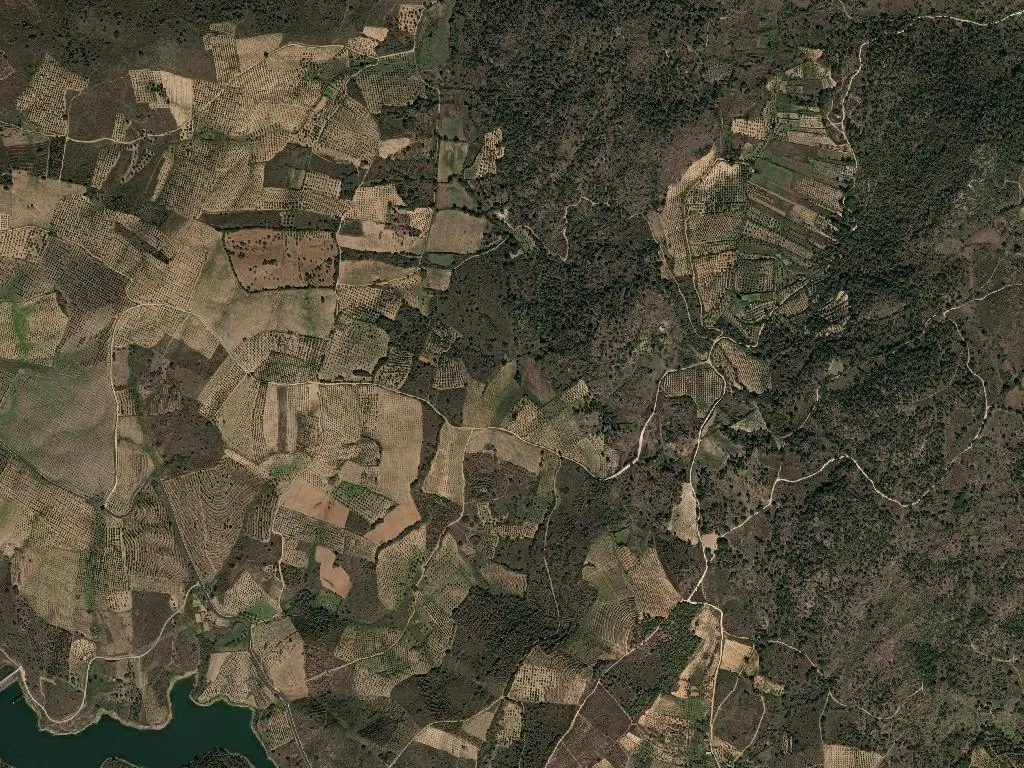
At 394 metres above sea level, sound behaves differently. A dog barking on the opposite slope arrives as a ghost echo, as though the Tua valley were a gramophone horn. Twenty-five square kilometres of schist and olive grove hold 111 pensioners, 14 children too few for a five-a-side team, and four domino tables that fill every Wednesday in Zé’s tavern. Complaints are limited to the price of agricultural diesel; nostalgia is considered bad manners.
When the Village Needs a Safety Valve
On the morning of 26 December the boys cease to be boys. They become Caretos—diabolical wooden-masked figures whose German-imported oil paint won’t blister under sweat. Descending from the village spring with grandfather’s cowbells slung across their chests, they clatter like loose rolling stock. Housewives lock doors—“too much ringing brings on migraines”—yet Ilda still parks a smoked sausage on her windowsill, an edible insurance policy against spirits with a taste for revenge.
Mid-Lent, the village burns the “old woman”: a straw effigy wearing the faded skirt of Dona Amélia, who died two decades ago. Flames finish her in the square; afterwards everyone eats migas the way their grandmothers did—yesterday’s bread, rashers of home-cured belly, and a thread of olive oil pressed from groves that survived the 1998 earthquake.
What the Table Remembers
The alheira in Cedães is not the supermarket version. Gloria smokes hers for three full weeks above the hearth, turning each coil every other day with the hand arthritis has yet to claim. The skin bronzes to burnt-honey; the interior tastes of Friday night at your grandparents’. Beside it in the fumeiro hangs salpicão from Vinhais and a single beef chouriça reserved for the farmhand who still climbs the ladders at olive-picking time.
The oil comes from Estrada Nova’s grove—golden, thick as midsummer honey, bottled in clay talhas blackened by decades of kitchen smoke. The olive itself is negrinha de Freixo, DOP-protected, but the dishes are grandmother-issue: chipped glaze, stubborn stains, stories you can’t scour away.
What Remains When the Cars Leave
There are two places to stay, neither marketed on Instagram. Down on Rua de Baixo the door still squeaks at the exact spot where, in 1973, Joaquim’s grandson spun a wooden top into the boards. Patchwork counterpanes smell of Maria biscuits; the radio receives one station if the weather is willing.
Dusk arrives theatrically. When the sun slips behind the cabeço the light turns such a saturated orange that even the stones feel warm. Dona Rosa, eyes milky with cataracts, still counts her hens out loud—“the white, the speckled, the little black one… Mariquinhas is late again”—while the church bell strikes three meaningless chimes. Nobody checks a watch; they check the chimney. The smoke is thinner now: another day closing, another log surrendered to the keeping of the village.