Full article about Fradizela’s Bell Counts the Village Still Breathing
In Mirandela’s shadow, 185 souls, one donkey and a stew keep the hamlet alive
Hide article Read full article
The Bell that Counts the Remaining
At half-past eleven the single bell in the chapel of Santa Bárbara tolls three times, slow as breath. The note slips down the Sabor gorge, ricochets off schist, and expires among the cypresses of the cemetery. In Fradizela the sound is the daily census: if you hear it, at least one of the 185 residents is still upright. Some no longer can; the men who spent decades standing over granite millstones pressing olives without ear-defenders now read lips at the parish gate.
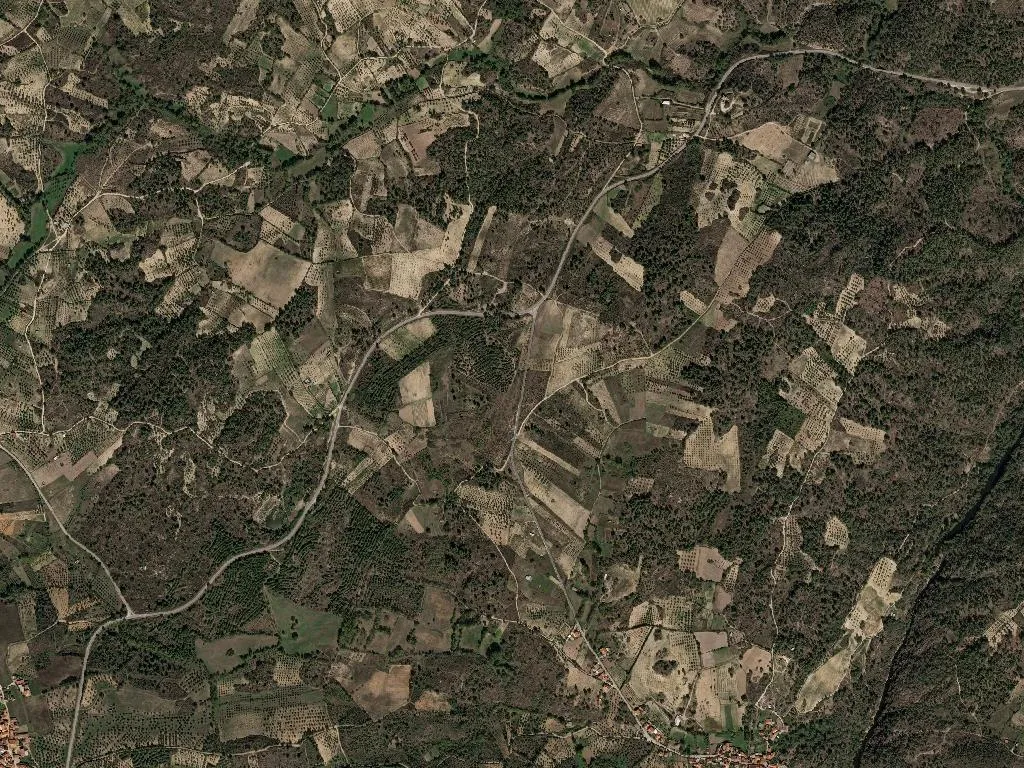
Geography of a Dwindle
Shutters are barred from the inside, their aqua paint curling like stale nori. One in three hearths is a storeroom for firewood that will never meet a match; another keeps its television humming simply to interrupt the silence; the third still spits embers and smells of crackling pork fat. Adelino, 84, keeps the only donkey in the council area. The animal, Fiel, refuses the hill out of the village unless his bronze bell stays round his neck—Adelino once swapped it for a lighter aluminium trinket and Fiel simply sat down, immovable as a megalith.
Beside the footpath to Cabeço stands a nameless stone cross, its niche once used to steady the litre jugs of red wine that field hands drank during the grape harvest. Passing walkers now flick it a hurried kiss of the fingers, afraid that to linger is to feel the full gravitational pull of abandonment.
Keeping the Flame, and the Feast
The Festa dos Rapazes—literally “the Boys’ Festival”—has run out of boys. Grandchildren on Christmas holidays carry the painted wooden image of St Stephen to spare their grandmothers’ feelings. Yet on 26 December a single rocket still climbs above the rooftops, and sarrabulho—blood-sausage stew—steams in cracked terracotta bowls. The high point remains “Sawing the Old Woman”: Adelino grips a two-man saw, slices through a dry apple trunk, and when the log cracks the assembly awards the nearest teenager a branch of almonds. Afterward medronho firewater circulates until the fog climbs the ravine like milk coming to the boil and even the dogs decide against barking.
Trás-os-Montes on a Plate
There is no café, no taberna, no vending machine. Hunger knocks at Dona Idalina’s green door. She lifts the latch of her smoke-chest, cuts three coins of alheira sausage, drowns them in still-cloudy new olive oil and sets them on thick-rimmed Estremoz china. The bread was baked three days earlier in the communal wood oven; it sighs when broken, releasing a sigh of oak and yeast. Dessert is thin-shelled local walnut and a thimble of jeropiga—the priest’s medicinal fortified wine that he doles out “for days of fever”. Beyond that you eat what the house can spare: in Zé Murtido’s larder a single black-foot ham has been maturing since 2019. He claims it “needs one more winter”, but everyone understands it is the last.
When the sun drops behind Cabeço the village divides into two colours only: terracotta on the western walls, slate on the eastern roofs. Wood-smoke rises vertical, carrying the scent of bay and scorched olive pomace. Walk the narrow lane and you will hear your own pulse, and far below the Sabor river worrying the stones it has been grinding for millennia.