Full article about São Salvador: Silence Above the Tua Valley
Where 200 souls, alheira smoke and pre-Christmas cowbells cling to a 340 m ridge
Hide article Read full article
The iron hinges of the church door groan for oil. Inside, the hush is absolute, the kind that exists only where 200 souls still greet one another by first name. São Salvador perches 340 m above the Tua valley – high enough to feel the wind, low enough to earn its place in Portugal’s self-styled Terra Quente.
What you’ll eat
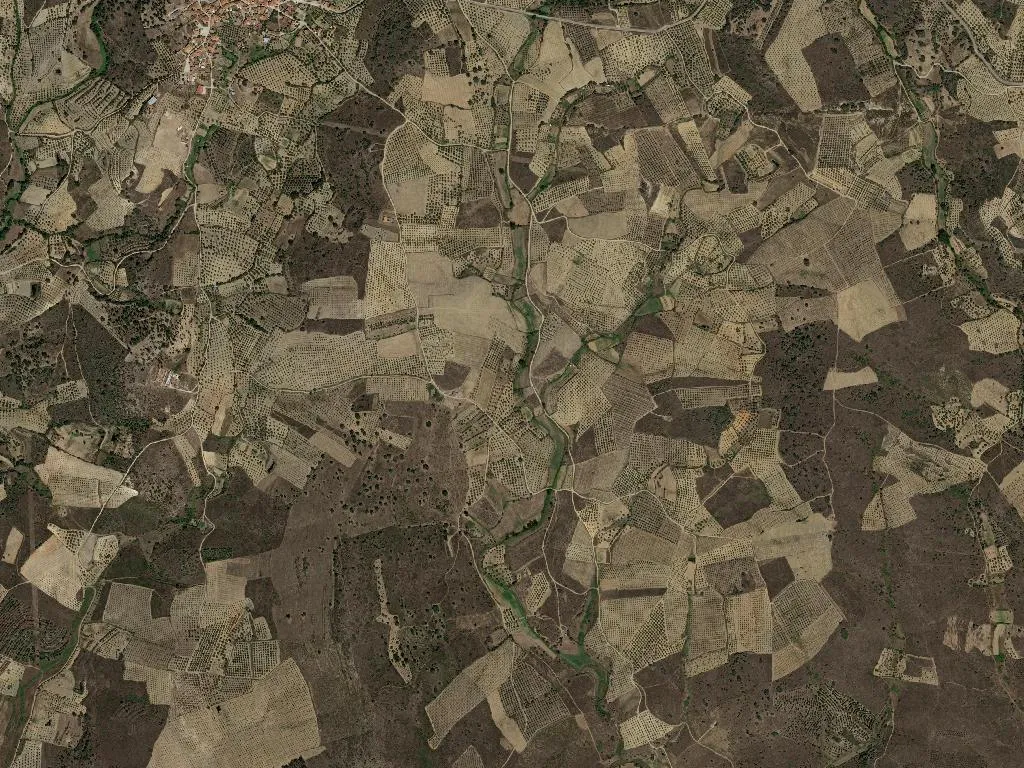
Fourteen square kilometres of south-facing slope are stitched with olives, almonds and vines. Trás-os-Montes stops being a regional slogan the moment the DOP olive oil drips from the bottle neck, or when you taste Negrinha de Freixo olives cured in brine, or the local red that warms without pretension. Mirandela’s alheira sausage is bound with bread, garlic and smoked meats; salpicão chorizo ages in granite larders; Terrincho sheep’s-milk cheese carries the dry bite of the surrounding sierra.
The arithmetic
Seventeen children, seventy-one pensioners. Density: fourteen people per square kilometre. The primary school shut years ago; the grocery unlocks 9-12, and only if you knock hard in the afternoon.
Marked days
On 26 December the Festa dos Rapazes (Boys’ Festival) parades wooden masks and cowbells – a pre-Christian rite no one ever bothered to ban. In March comes Serrar da Velha: a rag doll is sawn in half with a wooden saw while the village drinks and laughs.
What’s produced
IGP Trás-os-Montes potatoes; slow-crystallising DOP honey; kid goat that grazes freely until it meets the wood-fired oven and a fistful of “punched” potatoes. None of it trends on Instagram; none of it needs to.
At dusk smoke rises straight as a ruler before the wind frays it. The air smells of oak and curing chouriço. Beside every front door stands a plastic chair, angled not to watch but simply to sit out what remains of the day.