Full article about Azinhoso: Where Church Bells Still Rule the Day
A 241-soul village above Mogadouro with goat roasts, Bronze-Age rings and a grass airstrip.
Hide article Read full article
The bell of Azinhoso’s parish church strikes at 7.30 a.m. No one resets their watch by it, yet every bedroom window opens on cue. Two-hundred-and-forty-one souls live here, 635 m above sea level, circling a late-Gothic pillory whose limestone has been polished to marble by decades of elbows.
Parish Church
Romanesque bones from the 1200s; the side door is supposed to open 9–12. If it’s locked, knock at the blue-shuttered house opposite and ask for Dona Amélia. Entry is free, but feed the 1980s coin box twenty-cent pieces or the nave stays dark.
Where to eat
Only one restaurant keeps the stoves lit year-round. O Cacimba does kid goat on Wednesdays and Sundays (pre-order: +351 279 123 456) and daily posta mirandesa – the charcoal-grilled Mirandesa beef is gone by 2 p.m. Olive oil comes from Paulo, first house after the turning to Torre. Take a five-litre container and knock; he decants straight from the stainless-steel tank.
Walking
Monóptero trail: 16 km, four-and-a-half hours, yellow blazes. Starts behind the church. Carry water – there isn’t a café en route. The Monóptero itself is a 6 m ring of granite slabs; locals argue over Visigothic altar or Bronze-Age sundial, but everyone agrees the 360° view stretches to Spain.
Festivals
Romaria de Nossa Senhora do Carrasco: first Sunday in May. Mass at 11 a.m. followed by a parish picnic in the churchyard. Bring your own plate, glass and meat – the wine and potatoes are supplied. Feira do Gado Asinino: third Monday in October. Officially a donkey fair, unofficially the day men compare mules and football scores over aguardiente.
Airstrip
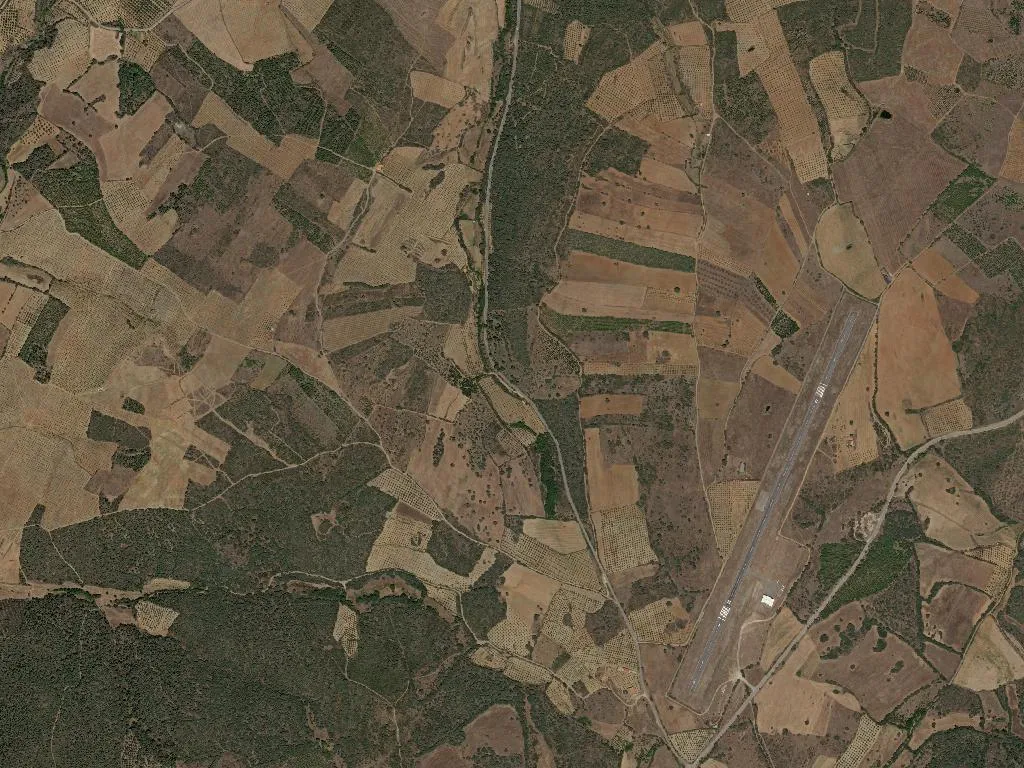
Three kilometres north, a 600 m grass strip hosts the Red Burros Fly-In on the last August weekend. Private pilots land between hay bales, beer and peppery bifanas are sold from a tent, and no one asks for landing fees. The rest of the year it’s a launch pad for ultralights when the Trás-os-Montes thermals behave.
Spring
At the village entrance a stone tank spills mountain-cold water – cold even in August. Locals still fill carboys here; dogs leap in after dusty walks, shaking droplets into the sunlight.