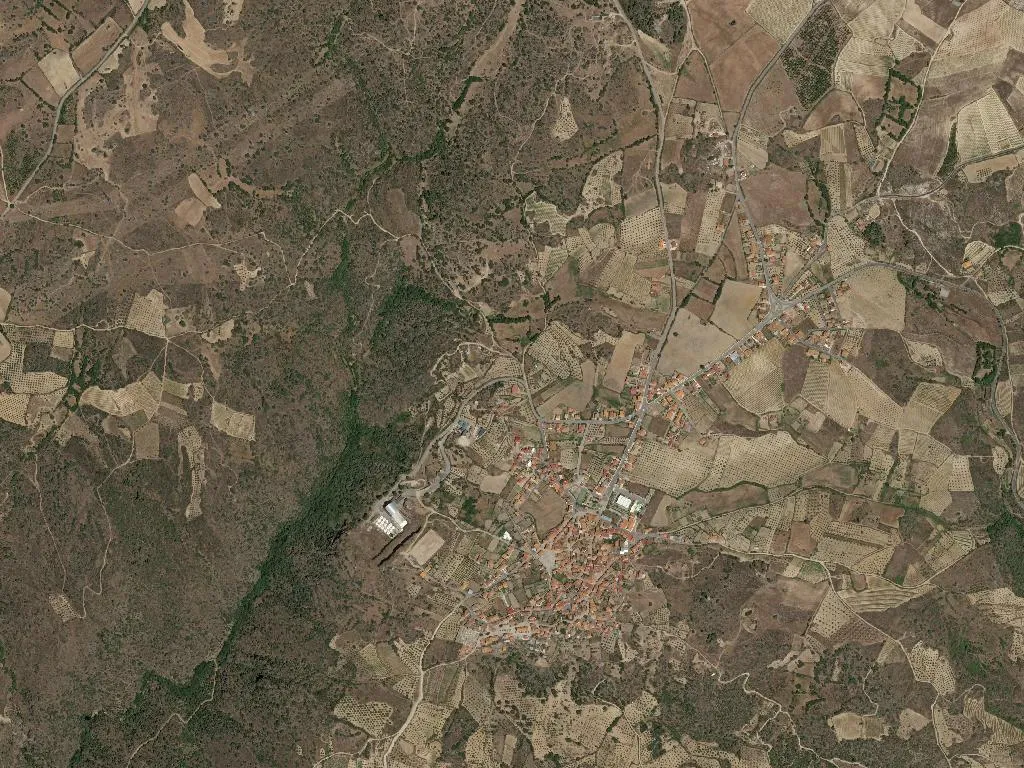
Full article about Bemposta: where wheat whispers and stone remembers
A silent plateau village in Bragança where bread, bells and baroque gold outlast time
Hide article Read full article
The wind combs the wheat like a hand on a tabby
At 690 m the plateau isn’t high enough to brag, yet the world below shrinks to a flick-through of television channels in the village café. Bemposta never announces itself; it leaks into view. First the bell tower, then the whiff of corn-bread sliding from the communal oven, finally Zé waving from his doorway as if we were the first tourists of the year. (We aren’t; he gave Manel the same greeting yesterday, the neighbour from Vilar de Rei the day before.)
Stone that has seen it all
The Igreja matriz de Nossa Senhora da Assunção has stood here since great-great-grandparents were children. Inside, the baroque altarpiece is as over-gilded as a Victorian dressing-table—yet it belongs, the way family clutter does. The roadside chapels—Santo António, São Sebastião—are exactly the size of one man, one candle and one worry. The stone granaries still function, only now they store spades and the covert coordinates of Joaquim’s moonshine. Dry-stone walls work like pub gossip: they bind plots together, keep neighbours apart, and occasionally collapse to remind everyone that nothing is permanent.
A calendar that never went to press
May belongs to the procession of Nossa Senhora do Caminho. The queue moves slower than the waiters bringing espresso and aguardiente after lunch, but no one complains: it is the only morning all year when “traffic” means a cow and two sheep instead of just the cow. July’s Santa Ana draws a crowd large enough to force the parish council to rent extra chairs from the neighbouring village. The pot-maker drives in from Torre de Moncorvo, food is served on clay plates, and when the corn-bread runs out, that’s it—no pop-up pastel-de-nata stall appears to plug the gap. December still smells of the communal pig-kill: families clock in collective overtime, ensuring that by January every kitchen is stocked with chouriço and red wine robust enough to insult the cold.
The bill that never arrives
Kid goat is slid into the wood oven at seven, pulled out at one. The skin crackles like conversation in a house without a television. Terrincho DOP cheese arrives in doorstep wedges; ask for “just a sliver” and António lops off a quarter, assuming you’ve brought enough bread to support the architecture. Rare-grilled Mirandesa steak is for city weekender Instagram; here you order “no ponto do costume”—kept on the fire until the beast regrets its life choices. Wine comes in a clay jug; request a bottle and you forfeit the free refill. Walnut cake ends the debate; there are no spoon desserts—the spoons are upstairs for the grandchildren to play drums on.
The Douro that never made the postcards
Take the lane downhill past Maçãs. Three bends after the cemetery a griffin vulture balances on the same telegraph pole—must have a season ticket. The shepherds’ trail is broad enough for one and a half men: accommodates cows, brings back firewood, and cancels your gym membership. Forty minutes later you reach the Rio Maçãs. No bar, no beach, but the silence costs nothing and the breeze carries rock-rose scent no London candle has managed to fake.
At dusk the chimney smoke rises straight as an unanswered question. Four hundred and ninety-seven people are scattered across thirty-eight square kilometres: you can greet all of them on a Sunday afternoon and still fit in a game of sueca before supper. The communal oven cools slowly; the bricks hoard heat like family scandal. Tomorrow there will be another batch, the same gossip, the same loaf. Bemposta keeps its own tempo—no filter, no hard sell, no obligation to like it. If you do, pull up a chair. The café opens at seven.