Full article about União das freguesias de Brunhozinho, Castanheira e Sanhoane
Visit Brunhozinho, Castanheira & Sanhoane in Mogadouro for chestnut lanes, 2 am bread and lamb kissed by Terrincho smoke
Hide article Read full article
The wind that remembers everything
The breeze in Castanheira carries the same gossip as old António on his dawn walk to the bakery: it rifles through every branch, lifts a leaf, pockets a scent. In the single square, Celeste’s front door groans open at exactly 6.43 am – a hinge so vocal that half the hamlet once admitted it doubled as an alarm clock. The place counts 216 souls on paper, barely forty if you arrive after the first frost. Two-thirds are past pension age and still rattle after sheep with the absent-minded efficiency most people reserve for changing TV channels.
Three hamlets, one parish
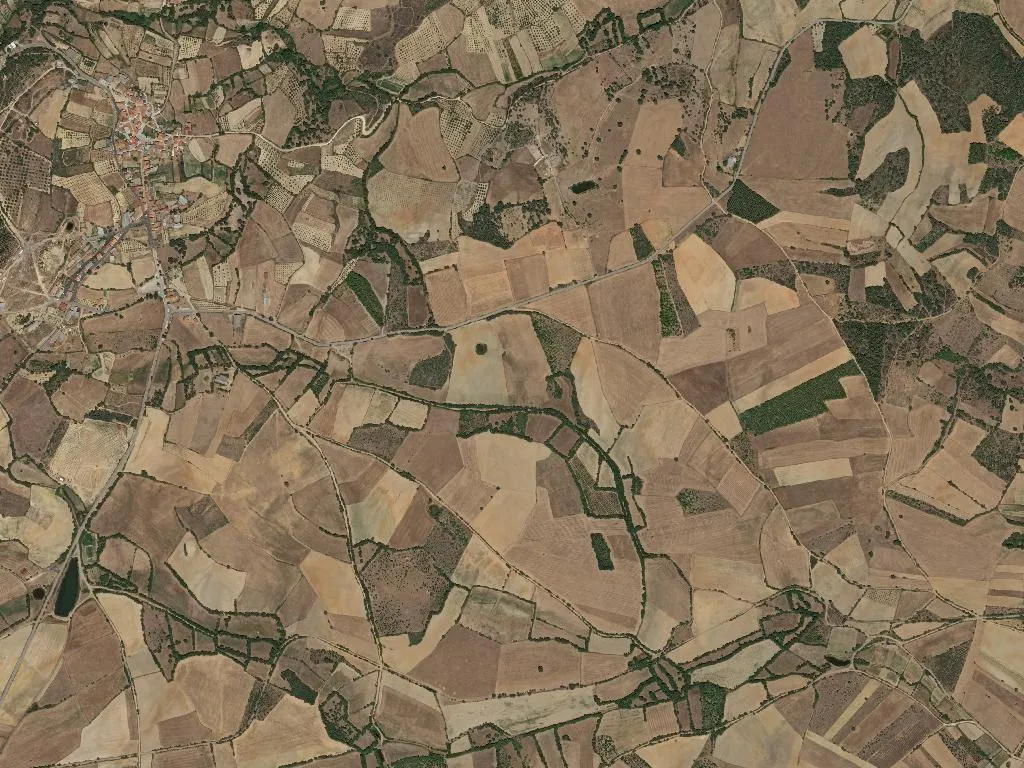
Brunhozinho, Castanheira and Sanhoane were welded together in 2013 to satisfy a spreadsheet in Bragança, yet locals still speak as though crossing from one to another requires a passport. Castanheira keeps its promise: chestnut trees corkscrew out of back gardens and, come October, glaze the lanes with a polished brown carpet that would make an ice-rink nervous. Brunhozinho is where mist keeps a season ticket – while the rest of Mogadouro basks in clarity, a soapy fog slides uphill and lingers like poorly-rinsed shampoo. Sanhoane, whose name may be Suebi, Visigoth or dropped by passing aliens, simply watches the spectacle from the middle distance.
The Transmontana table
Meals are engineered around the time it takes the wood-fired oven to hit temperament, roughly one siesta. Lamb certified Borrego Terrincho, kid, and the charcoal-black Mirandesa cow need nothing more than garlic, mountain oregano and olive oil that still remembers the bitterness of spring hedgerow. Hams from Vinhais hibernate in smokehouses longer than some city children stay in university; when finally sliced, the meat is politician-thin but keeps every promise. Donna Rosa bakes bread at 2 am because the dough rises to the beat of her insomnia; Terrincho cheese is grilled until it sags like a hammock; a final thread of Terra Quente honey is poured from high enough for gravity to sweeten the silence. Red wine comes from a backyard vineyard and is rationed in thimbles – less for the alcohol, more to preserve vertical dignity.
Inside the border park
The entire parish lies within the Douro International Natural Park, so the scenery arrives postage-paid. Bonelli’s eagles circle overhead like bouncers checking IDs, while rock bunting and Iberian chiffchaff argue in the understorey. Schist and granite take turns with heather and strawberry tree; the air smells of cistus resin powerful enough to repel both mosquitoes and melancholy. Marked trails behave like grandfather stories – they climb, double back, pause for effect – so carry water, a windproof and the sort of curiosity that doesn’t rely on a signal bar. Even Google throws up its hands at the switchbacks.
Saints on parade
August drags the statues outdoors: Our Lady of the Way and Saint Anne are carried through lanes barely wider than a donkey, accompanied by drums and concertinas that sound as if they’ve been tuned by the wind. After the procession, the evening tilts into an arraial where roast kid is portioned out before it cools – priorities matter. Teenagers practise the two-step on packed earth; their grandparents recall walking the 35 km from Fornos de Algodres, dancing until the demijohn sang empty. Today the same route is covered by minibus, but the playlist is still live, and everyone is home before the midnight headlines.
When the sun drops behind the Sabor gorge and the stone houses glow the colour of burnt toffee, the church bell tolls the ave-maria. The note rolls downhill, climbs again, and lingers like a leaf that hasn’t decided where to land. It marks the end of one story, or the beginning of whichever tale you choose to believe tomorrow.