Full article about São Martinho do Peso: bell tolls for 255 souls
Hear death-age rings echo off schist, taste oak-smoked chouriço under 8-m olive in Douro park
Hide article Read full article
The Bell's Three Short Rings
The bell in the tower tolls three brisk strokes, then hush. Another three. Every soul in São Martinho do Peso understands the cipher: the small bell signals a death, and the count gives the age. Sound ricochets off schist walls, slips down the valley and vanishes among the Pyrenean oaks. At 609 m above sea-level the year is still measured in grape harvests, chestnut roasts and summer pilgrimages; the 255 residents almost treble when emigrants return from France and Switzerland to their stone houses with manor-style sinks carved into the doorstones.
Where Schist Meets the Douro
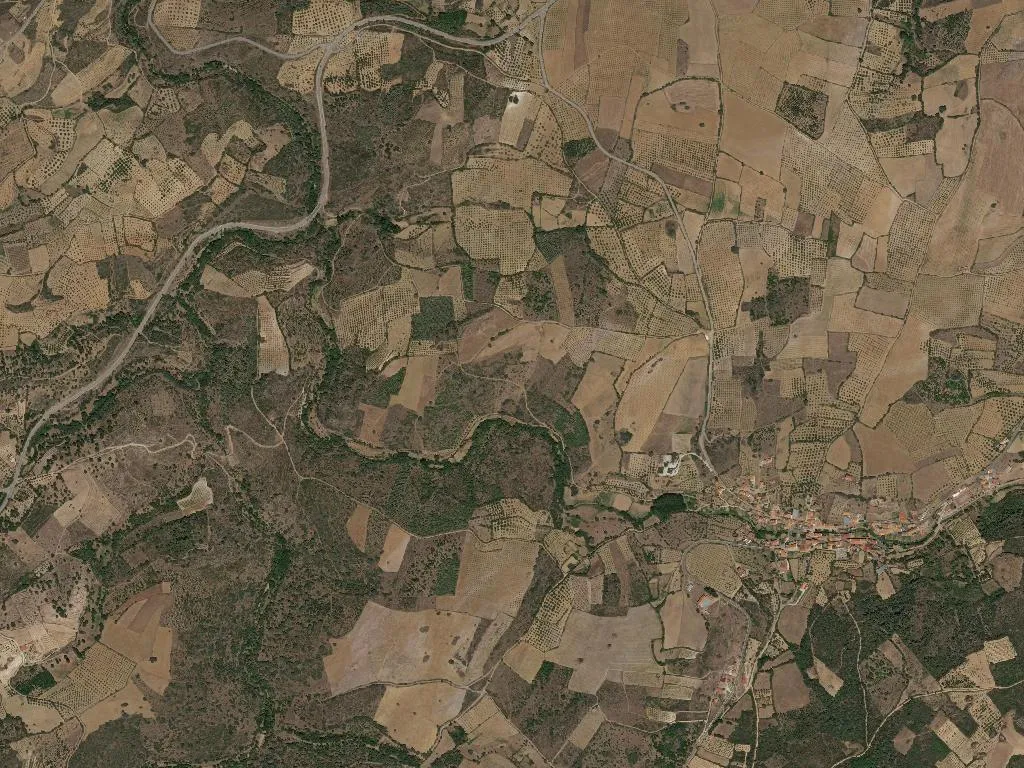
The parish rolls across a corrugated plateau of schist and greywacke, gouged by streams that spill towards the River Sabor. Inside the Douro Internacional Natural Park, slopes carry olive trees older than Portugal itself—one at Vilar has a girth of eight metres and still fruits for Trás-os-Montes DOP oil. Dry-stone walls stitch the terrain like uneven seams; weather-split maize granaries stand beside them. A four-storey communal granary rises at the village centre, last witness to an agriculture that will not return.
Baroque and Stone Inside the Church
The parish church of São Martinho swings open its oak doors to a single nave where light drips through tall windows. The eighteenth-century retable, carved and polychromed, blankets the east wall with gilded angels and baroque volutes. Higher up, the hilltop Chapel of Santa Ana waits for the 26 July pilgrimage: a procession from the village, picnic under the oaks, accordion dance on the grass. At crossroads, granite calvaries mark medieval pilgrimage routes and the edges of long-divided plots.
Smoke-house, Cheese and the Taste of Terra Quente
In Maria do Carmo’s tasca, smoke-cured sausages hang from the rafters: meat chouriços, alheira garlic loaves, oak-smoked linguiças. A sirloin from Mirandesa cattle lands on the grill while the day’s heat lingers, served with wood-oven roast potatoes. Terrincho DOP lamb turns slowly, basted with local olive oil; Terrincho cheese ages on wooden shelves under a tawny rind. At the table’s end wait medronho firewater and Bastardo wine, pressed in the communal lagar at Fonte Longa that still crushes every October, filling lanes with sweet-must scent.
Trails, Birds and Star-void Skies
The Viewpoint Trail unfurls for six gentle kilometres to Fraga do Martinho, where the gaze dives into Douro gorges griffons patrol on thermals. Lower down, an oak gallery beside the stream is loud with silence—only the hush of dry leaves and water murmuring over pebbles. After dusk, far from any light dome, the Transmontanan sky splits into constellations; local astronomers set up telescopes to mine the darkness that still holds out here.
On São Martinho’s day, when chestnuts pop in the fire and new wine glugs into clay bowls, bonfire smoke rises vertical through November’s cold air and lingers like a reluctant ghost.