Full article about Vila de Ala: granite sky-village above Mogadouro
Roman wells, clifftop chapels and Mirandesa alheiras in Bragança’s 756-metre hideaway
Hide article Read full article
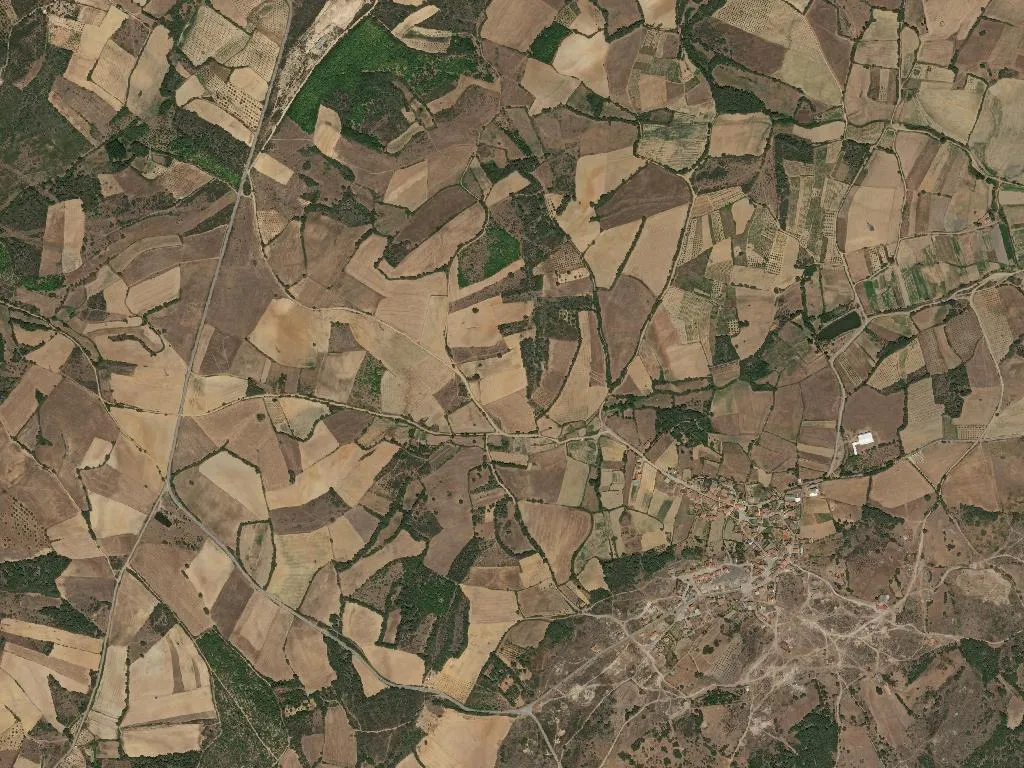
Smoke unspools in a dead-straight line from dark-slate chimneys. At 756 m the air is razor-sharp; while Mogadouro basks below, Vila de Ala—Viladala to its 231 wintering souls—still carries January on its back. Granite cottages, their joints picked out in whitewash, stack up the escarpment like geological afterthoughts.
What to see
Five minutes below the parish church a half-erased path drops to the Poço dos Mouros, a three-metre Roman well sunk between boulders. Take a torch; the water is black glass. The eighteenth-century bell-tower of Igreja Matriz is prettier than its locked-up nave—keys are kept by Armando in the village shop, together with the stamps. Drive the lane signed “Central” until the tarmac ends and you reach the clifftop chapel of Nossa Senhora da Ourada: the only balcony over the Douro Internacional where no one charges admission.
When the village wakes up
- Tuesday after Easter: Ourada mass at 10 a.m., bifana pork sandwiches from midday.
- 20 May: São Bernardino—one sung mass, one craft fair.
- Second Sunday in June: Santíssima Trindade. Mogadouro’s folk groups process in woollen cloaks despite the heat.
- First Sunday in September: São Bento. The last outdoor dance before the mountain closes the year.
What to taste
Armando’s counter sells IGP Mirandesa alheiras, coiled by his wife—£7 a kilo. Bring a bottle for the olive-oil dispenser: it’s pressed 12 km away at Bruçó. Sunday lunch is Terrincho lamb at O Cacheno in Mogadouro; book on +351 279 340 214.
Walk without getting lost
PR5 “Ala – Poço dos Mooros” is a 5 km figure-of-eight, way-marked in yellow-and-red. Start at the fountain roundabout, follow the “Central” board, carry water—there is no café. The route crosses three farm gates; close them. GPS is useful; the landowner’s dogs are friendly but monolingual.
What is slipping away
In the whitewashed Cultural Centre seven women still spin flax on Tuesday and Thursday mornings. The youngest is 67. Shoes off, jacket closed—fluff clings. A €15 linen square, their only product, will polish spectacles for life.
By late afternoon, when cattle clatter down the lane and the cold regains its grip, Vila de Ala offers nothing except the sound of your own footsteps echoing off granite. That, for now, is the point.