Full article about Cabeça Boa: silent almond slopes above the Douro
Stone-walled terraces, IGP almonds and ageing hands keep Torre de Moncorvo’s plateau alive
Hide article Read full article
Almond terraces and silence
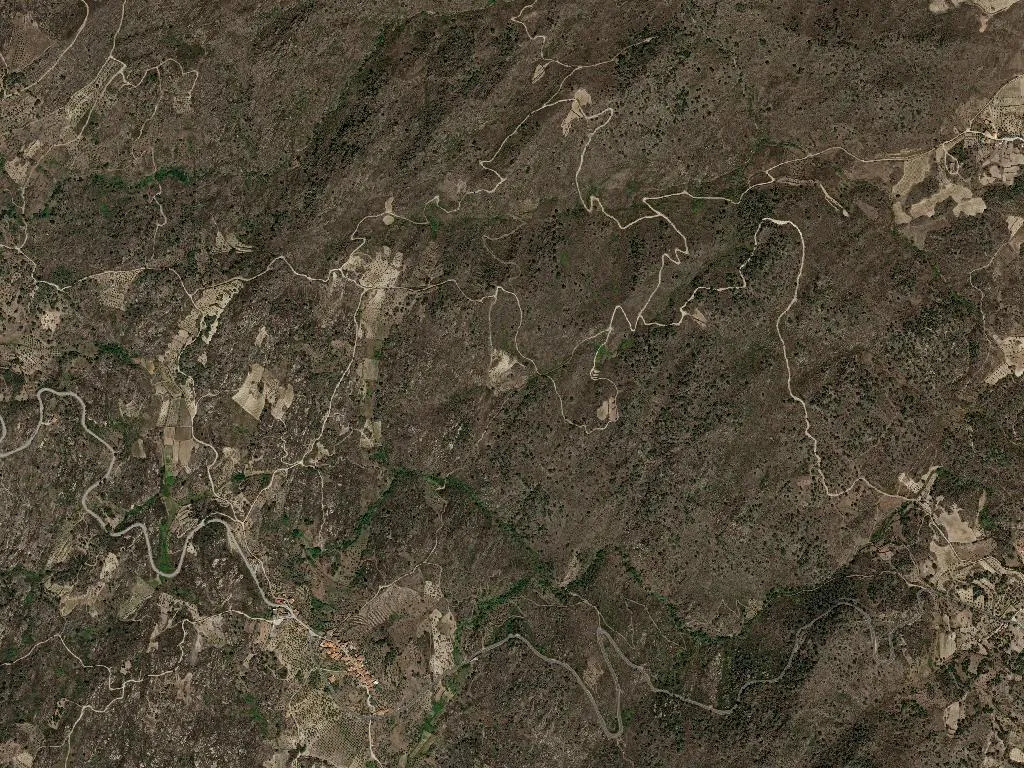
Morning light strikes the south-facing slope at 460 m, igniting a patchwork of almond terraces and olive groves that drop toward the Douro. The quiet here is architectural: stone walls shoulder the earth, narrow mule paths trace contour lines, and the gaps between houses are measured in birdsong, not metres. Only 284 people occupy 2,600 ha of Torre de Moncorvo’s northern plateau, so space itself becomes a material—felt in the pause between one slate threshold and the next, in the hush that follows the wind riffling through almond blossom.
A working landscape, not a postcard
This is not rustic theatre. Centuries-old olive groves are pruned for yield, almonds are fertilised by sheep that graze the stubble, and every terrace is mapped for IGP status. The parish sits inside the Alto Douro Vinhateiro UNESCO core zone, so even the schist retaining walls are protected: rebuild one and the parish council will check the stone matches the original grain. Almonds from these terraces qualify as Amêndoa Coberta de Moncorvo IGP; the oil pressed from the same groves carries Trás-os-Montes DOP. Flavour is geography—nutty, resinous, tasting faintly of the hot slate it grew above.
Ageing in place
The demographic ledger is stark: 104 residents over 65, just 21 under 14. Yet the elderly are not relics; they are the living archive. Ask Custódio how to read the wind by the shape of olive leaves and he will demonstrate, fingers yellowed from pruning. The village butcher still salts Presunto de Vinhais IGP in an attic where the beams are black with decades of smoke. Retirement here means continuing to graft almond cultivars because no one else carries the muscle memory of the cut.
Calendar of return
August belongs to Nossa Senhora da Assunção. Locals who left for Bordeaux or Geneva book flights months ahead; the church square becomes an open-air reunion. Grilled sardines drip onto newspaper, red wine arrives in unlabelled bottles, and someone’s uncle will insist on recounting the year the river froze. The Festa de Nossa Senhora do Amparo in neighbouring Felgar is quieter—an evening procession of candles and linen robes—but it stitches Cabeça Boa into a circuit of rural devotion that predates the nation-state.
Where to stay (and why you should phone ahead)
There are four places to sleep, none of them hotels. All are restored schist cottages whose doorways were built for 18th-century stature. Expect wooden ceilings low enough to skim your hair, linen that smells of sun-dried almond shells, and total darkness beyond the reach of any street lamp. The nearest mini-market locks its shutters at 19:30; bring coffee, razor blades, whatever you need for silence. Book early—Maria Graça who manages two of the houses also harvests 300 olive trees and will not answer the phone while the ladders are out.
The six o’clock bell
Dusk releases the scent of warm schist and curing smoke. Somewhere below, the Douro glints like a blade. At six the church bell tolls—not for the faithful, but for those who still understand that time can be measured in bronze rather than pixels. Sit on the wall, listen to the echo fade downhill, and you will know why 284 people choose to remain anchored to this particular ridge, farming a flavour the rest of the world has not yet learned to imitate.