Full article about Felgar & Souto da Velha: Almond Smoke at 605 m
Explore Felgar e Souto da Velha, Torre de Moncorvo’s high schist villages, for IGP almonds, chestnut groves and dawn woodsmoke at 605 m.
Hide article Read full article
Woodsmoke at Dawn
The scent of kindling drifts uphill before sunrise. In Felgar’s schist cottages someone strikes flint while mist still pockets the chestnut groves below. At 605 m the cold of Trás-os-Montes fastens to stone; silence holds until the bell of Nossa Senhora do Amparo tolls seven. Higher up, in Souto da Velha, centuries-old chestnuts begin to etch themselves against a sky that pales reluctantly.
Almonds and Schist
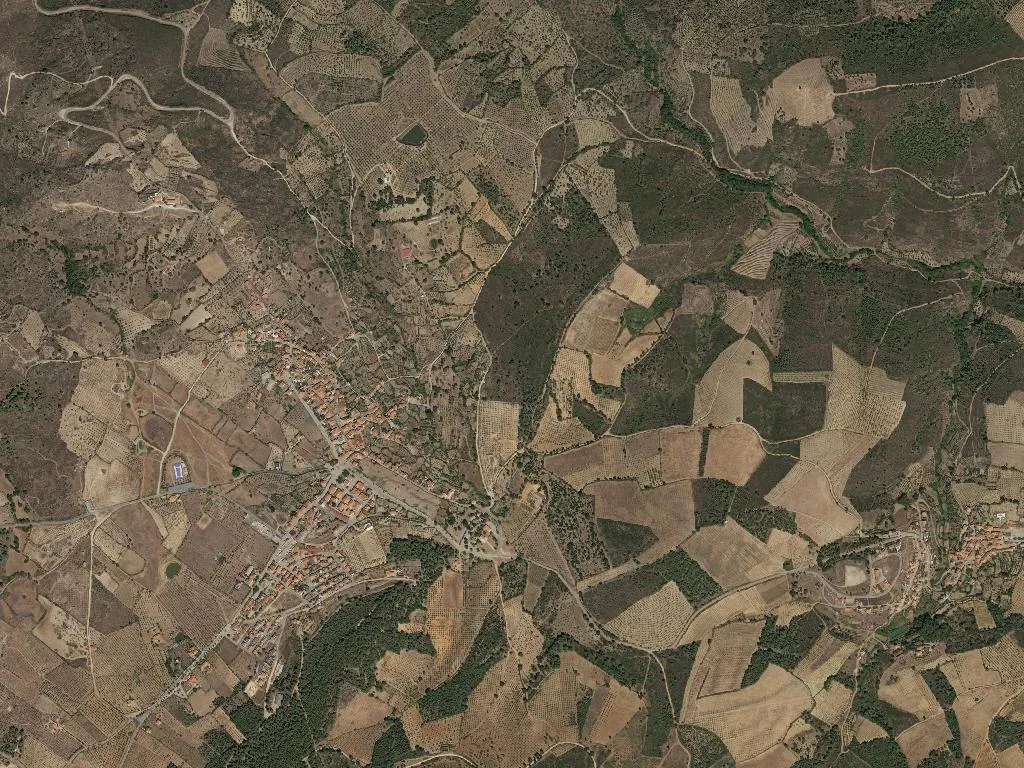
The civil parish of Felgar e Souto da Velha was created in 2013 by merging two villages that have always lived off the mountain and what it yields. Felgar, recorded since the thirteenth century, spread among olive and almond terraces; Souto da Velha — the name means “old chestnut grove” — kept its soutos as living heirlooms. Both belonged to Torre de Moncorvo from the 1252 charter, and time here is still reckoned by harvests: olives in winter, almonds at summer’s end.
Today 860 people occupy 47 km² — one of Portugal’s lowest densities — and farming hangs on. Almond trees dominate the slopes for good reason: Felgar is the heartland of the Amêndoa Coberta de Moncorvo IGP, the sugar-dusted almond sold in pastry shops across the region. When the harvest starts in September, roads carry the sweet smell of drying husks.
Stone that Speaks
Felgar’s mother church, rebuilt repeatedly since medieval days, shelters an image of Nossa Senhora do Amparo that locals swear is miraculous. Even in August the granite walls stay cool; inside is hush, broken only during the annual festa when the procession descends the main street and folk music drifts past midnight. Souto da Velha’s chapel of Santo António is smaller, quieter, yet equally woven into communal life.
Between the two villages, schist footpaths thread through dry-stone walls, granite granaries and levadas that still channel water to plots. Vernacular architecture endures: schist houses with granite thresholds, timber balconies cracked by sun and frost, mossy north-facing roof tiles.
At Table
Celebrations here revolve around Terrincho DOP lamb and Transmontano kid, slow-roasted with garlic and Trás-os-Montes DOP olive oil until the meat slips from the bone. Chouriça de carne from Vinhais and smoky salpicão hang in the kitchen; the small, dark Negrinha de Freixo DOP olive opens appetites. Dessert is almond in every guise: sugared, fashioned into queijinhos do céu, or simply toasted and drizzled with Terra Quente DOP honey. A Douro red, full and dry, accompanies everything.
Walking among Chestnuts and Ridges
Lying on the southern flank of the Douro International Natural Park, the parish offers waymarked trails that cross oak and cork forest. The rugged relief demands climbs, but rewards with views over valleys where rock-rose and rosemary scent hot air. Wild boar leave prints in damp earth, foxes cross paths at dusk, and raptors wheel above. The River Douro slides past 15 km away, moderating the microclimate so almonds and olives prosper.
With barely eighteen inhabitants per square kilometre, silence has space. When afternoon light spears through the chestnut canopy at Souto da Velha, casting long shadows across schist alleys, what remains is the physical sense of a land in no hurry — a place to notice the rasp of almond husk, the weight of the nut in your palm, the echo of your own footsteps along walls that were here when your forebears planted the first trees.