Full article about Horta da Vilariça: almond snow on schist terraces
Walk silent olive groves, taste peppery DOP oil, count 208 souls in Terra Quente
Hide article Read full article
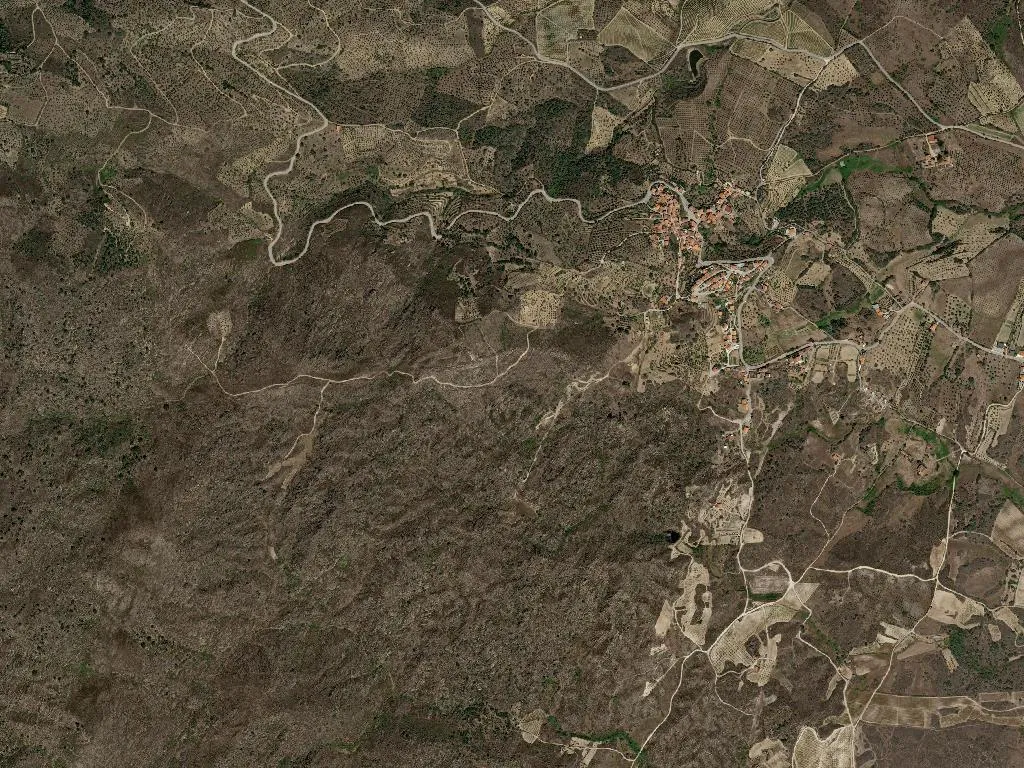
The road drops into the valley and the air changes – warmer, heavier, laced with the bitter-green scent of almond blossom that has drifted here every February since childhood. Horta da Vilariça sits at the precise moment where the Douro’s schist slopes surrender to the Terra Quente, 316 m above sea-level, low enough for the sun to bake the slate all day and release it slowly after dark. This is not a view to photograph from the lay-by; you need to step in, soil your nails and smell the iron in the earth.
Almonds, olive oil and arithmetic
208 souls share 1,642 hectares. Translate that: silence you can walk through, horizons that outnumber people, time that forgets to march. Ninety-one villagers are over 65; only fourteen have yet to reach 15. The census cannot record the diesel growl of the John Deere at 18:00, nor the way wood-smoke hangs just above the rooftops when the temperature slips. It has no row for Zé, who still serves bica behind the counter that used to be the school cloakroom.
We are technically in the Douro, but the terraces are not for vines. Here the money grows on trees: Amêndoa Coberta de Moncorvo, a protected name, and olive groves older than the republic. From January to March the valley looks as though someone shook out pink-and-white bed-linen across the folds. The olive trunks twist like arthritic fingers; the oil they give is Trás-os-Montes DOP – peppery, throat-catching, impossible to suitcase home.
Sunday lunch is kid goat or Terrincho lamb, reared within earshot. Chouriça de carne from Vinhais drips paprika-red fat over the grill, salpicão sausages cure in the chimney draught, and ewe’s-milk cheese develops a rind like parchment on the pantry shelf. Call it zero-kilometre if you must; locals call it winter.
Between fiesta and everyday
The Festa da Vila in August drags emigrants back down the A4 for three nights of brass-band processions and dancing in the street. The rest of the calendar is quieter: the café with its solitary slot machine, the dusty track to the olive grove, the three village houses that take paying guests – no reception, no minibars, just a rooster that keeps Greenwich Mean Rooster Time and a wood-stove you feed yourself.
Arrive with no itinerary and you will be given one: help pick the almonds before the forecast changes, taste yesterday’s press at the lagar, walk the ridge above the Sabor river where griffon vultures circle. The slate walls exhale heat until dawn; cicadas refuse to believe there are only 208 residents and sing for a metropolis. Horta da Vilariça offers no promises, only what it has – and, for anyone who stays still long enough, that turns out to be more than sufficient.