Full article about Thursday drum roll echoes through Benlhevai’s stone lagar
Benlhevai, Vila Flor: weekly drum rituals, chestnut Magusta, granite crosses and azulejo tales in Portugal’s quiet Trás-os-Montes
Hide article Read full article
The Thursday Rehearsal
Every Thursday at dusk the stone press-house rattles. Twenty-five drummers of the "Amigos de Benlhevai" line the walls of the 19th-century lagar, sticks raised, and let loose a roll that ricochets down the valley until it meets the Tua river. The hamlet has 235 souls, no café, no shop, yet the ritual has run since 1992. Each morning a white council van climbs the 573-metre ridge with a crate of warm bread from Vila Flor; by nightfall the percussion has already begun.
Where Schist Keeps the Archives
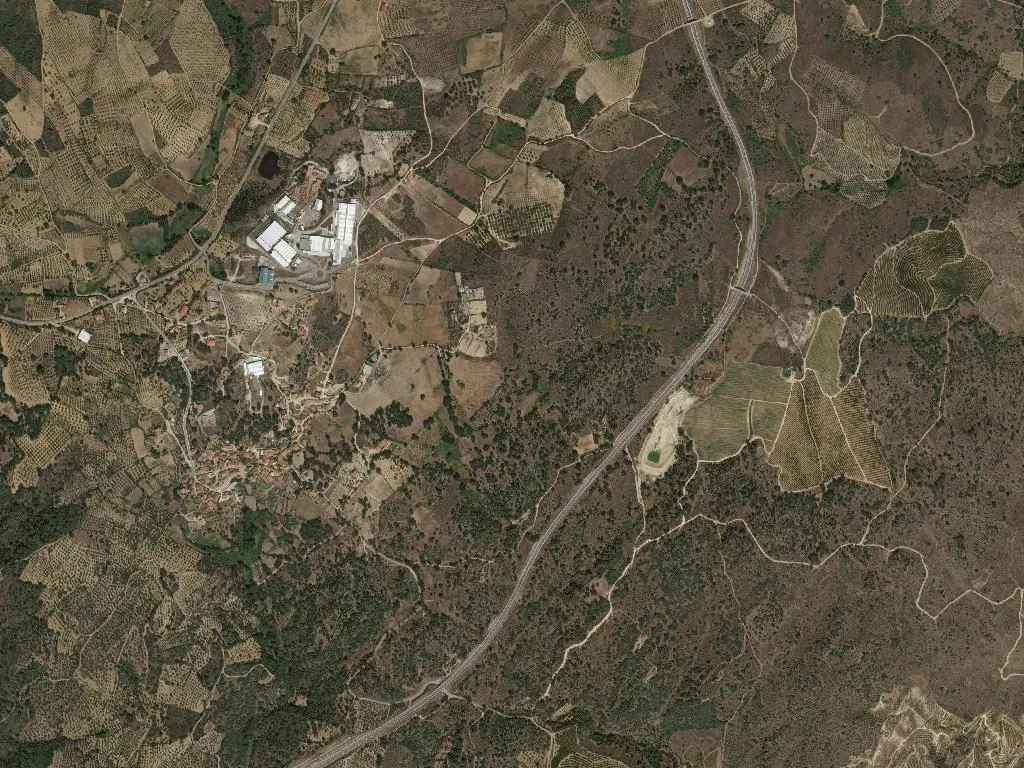
Benlhevai never earned its own charter—its fate was tied to Vila Flor after Dom Dinis granted the town its foral in 1286—but the parish church compensates with excess. Inside São Bartolomeu, gilded wood twists above 18th-century azulejos that narrate the life of the apostle in cobalt. The name itself, probably from "Benelhavium", means "well-sheltered place", and the geography agrees: the settlement curls into a fold of the southern Bornes hills where the Atlantic wind finally gives up.
Across the lane, in the bairro of Povoa, stone granaries and thatched haylofts stand in rows like punctuation marks on the slope. A granite crusade cross, 1773, leans against the churchyard wall; inside the single-nave chapel of Nossa Senhora do Castanheiro, whitewash and silence prepare for the September pilgrimage—foot processions, an auction of smoked chouriço, improvised song duels beneath chestnut boughs.
Smoke, Chestnuts and Olive Oil
After phylloxera hollowed out the Douro vineyards, the community planted a communal chestnut grove. Today the souto yields fifteen tonnes a year. Come November, during the Magusta, the nuts are roasted over fires of vine stumps; the smoke curls through the shell and imparts a resinous sweetness no kitchen oven can fake. At long tables, the cozido transmontano—a stacked terrine of shin, ear, blood cake and winter greens—alternates with kid goat baked in a wood-fired bread oven. In the rafters of older houses hang IGP salpicão from Vinhais, alheira sausages and ropes of chouriça; on wooden shelves Terrincho DOP ewe’s-cheese ages beside its goat cousin. The olive terraces that stitch the hillsides produce Trás-os-Montes DOP oil pressed within hours of harvest—grassy, peppery, the colour of early straw.
Trails, Clay, Night Skies
The PR4 "Trilho dos Soutos" loops six kilometres between Benlhevai and Povoa, brushing the abandoned watermill, the echoing press-house and a belvedere that drops straight into the Tua canyon. Northwards, the granite spine of the Bornes range is still grazed by semi-feral garrano ponies; Iberian hawks hunt above heather and rockrose. After dark, with zero light pollution, Orion arrives in HD. Locals leave the church car park carrying telescopes to watch eagle owls glide above the chestnut canopy.
In the district archive in Bragança, the notebooks of parish priest Joaquim Augusto Ferreira (born Povoa, 1904) record every feast: the 24 August "Festa da Vila" with procession, brass band and dancing on the threshing floor; the Assumption pilgrimage three weeks earlier, closing with a communal chestnut bake beneath the trees. The same drumbeats that shook the schist in his day still do—only now they are amplified by the stone walls of the old lagar, restored in 2008 with funds sent home by António Marques, an émigré made honorary citizen of Vila Flor.