Full article about Sampaio’s hush: olives, almond smoke and 137 souls
Sampaio, Vila Flor: lean chimneys, olive groves, almond custard and a parish where the school bell last rang in 2008
Hide article Read full article
Smoke on the wind
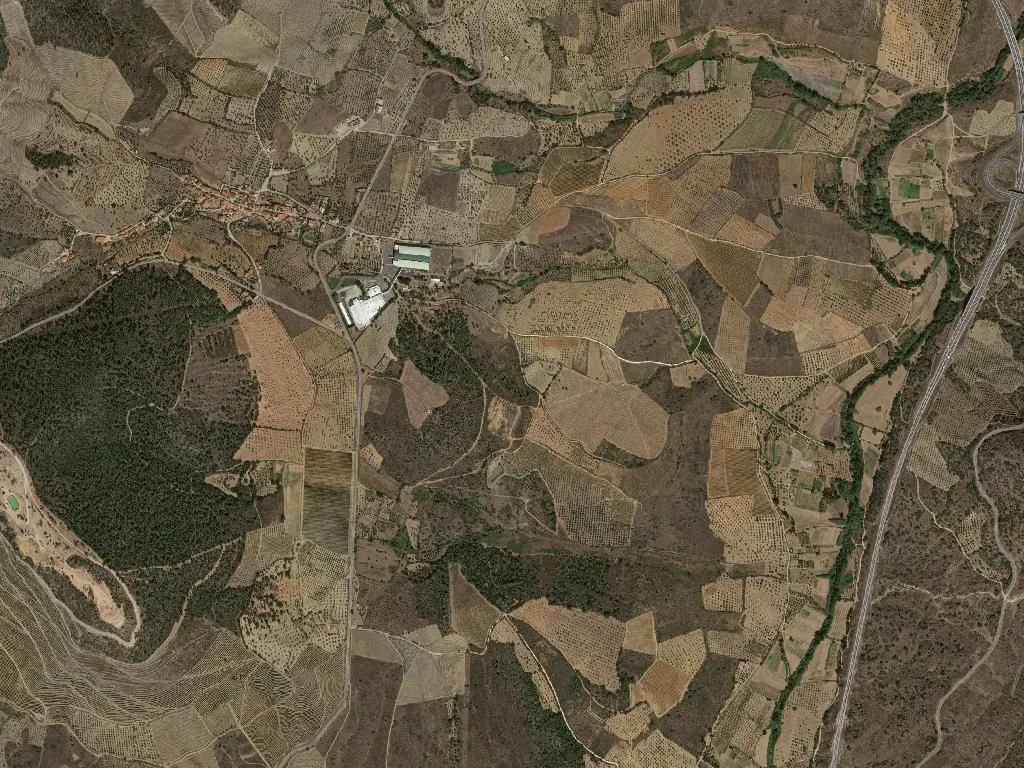
The chimney leans, the smoke kinks sideways: a warm easterly is galloping through Rua do Cimo. In Sampaio, population 137 (132 until the Castros return from their daughter’s flat in Porto), the school bell hasn’t rung since 2008. At six sharp the hush is broken by Adelino’s John Deere coughing awake and lurching towards the olive terraces of Cepeda. His is the only timetable the hamlet keeps.
The parish is a scatter of seven hamlets the road-atlas printers forgot to name: Bico, Carvalha, Vale do Mouro—where the last bride left the church in August and the whole village ate sardines in the priest’s courtyard until the lanterns dimmed.
Arithmetic of departure
Thirteen children are registered, yet only three catch the minibus to Vila Flor’s primary; the rest practise elastic skipping beside the stone tank where Domingos power-washes his Land Rover. Of the fifty-six residents over seventy, seven no longer cross their thresholds. Every midday, Zé-do-Pipo’s widow delivers kale broth and a wedge of cornbread, balancing the tray like a church paten. Shutters that look permanently closed are simply climate-conscious: opened at dawn, pulled to when the sun pivots full-face and the soap-opera theme drifts out to mingle with the rosemary bees.
A calendar of scent
June smells of amêndoa doce. Once the almond husks have split and fallen, Joaquim ferries the kernels to the pastelaria in Vila Flor where they are folded into a fragrant custard. November belongs to the holm-oak and to the pig. Smoke from hearths meets the metallic tang of blood and crackling skin in Celestino’s threshing-floor; four neighbours stand around the trestle, sipping bagaço-laced espresso and threading tripas for the evening feast. This year’s olive oil—180 litres from the grove across the EN315—waits in the five-litre bottle that Mãezinha kept from her eldest grandson’s christening party.
When the bell rings twice
On São Bartolomeu’s day the churchyard becomes an open-air museum of country commerce: lamb-skin bellows from Marco, honey from Júlio’s hives up in the Serra de Bornes, wine pressed by Toninho in his father’s 1940s screw-press. At three, when the granite wall turns into a slab of light, Father João begs the children not to aim at Dona Elvira’s geraniums—she still hauls bucket after bucket from the cistern to keep them scarlet. The procession snakes downhill to the stone crucifix where, legend says, the 18th-century prior planted a chestnut. Two centuries on, the trunk is hollow, yet every October it still rains glossy nuts onto the moss.
The pantry no visitor sees
Terrincho DOP cheese is bought from Zeca do Lameiro, who milks his own flock and drives to Carrazeda’s Tuesday market with the rounds wrapped in muslin. Almonds come from the few stubborn cork oaks not yet ripped out for vineyard subsidies; they dry on Grandmother’s roof, watched by blackbirds that strut like landlords. The ham hanging in the pantry carries the oak-smoke of Vinhais because Arménio—who married José’s daughter—refuses to shorten the three-month curing ritual. Dona Alda’s Negrinha olives float in a bay-brine laced with leaves from her own laurel; they will last until Christmas, when they are tipped into a pan of rojões, the village’s paprika-spiked pork nuggets.
When the light folds itself away, village dogs gather outside the café—shut, officially, though António is still inside watching the eight-o’clock news. The bell tolls Ave-Marias; voices drop, because the telenovela starts at nine-thirty and nobody negotiates with that timetable. Up the lane the chimney resumes its slanted signature, riding the same wind that carries the murmur of the stream beneath the bridge where “Zé + Márcia 1999” is carved deep enough to survive whatever winter brings next.