Full article about Trindade: bells, blossom and blood-warm granite
Vila Flor’s 536 m hamlet where almond snow, oak-smoked chouriça and silent winters outnumber people
Hide article Read full article
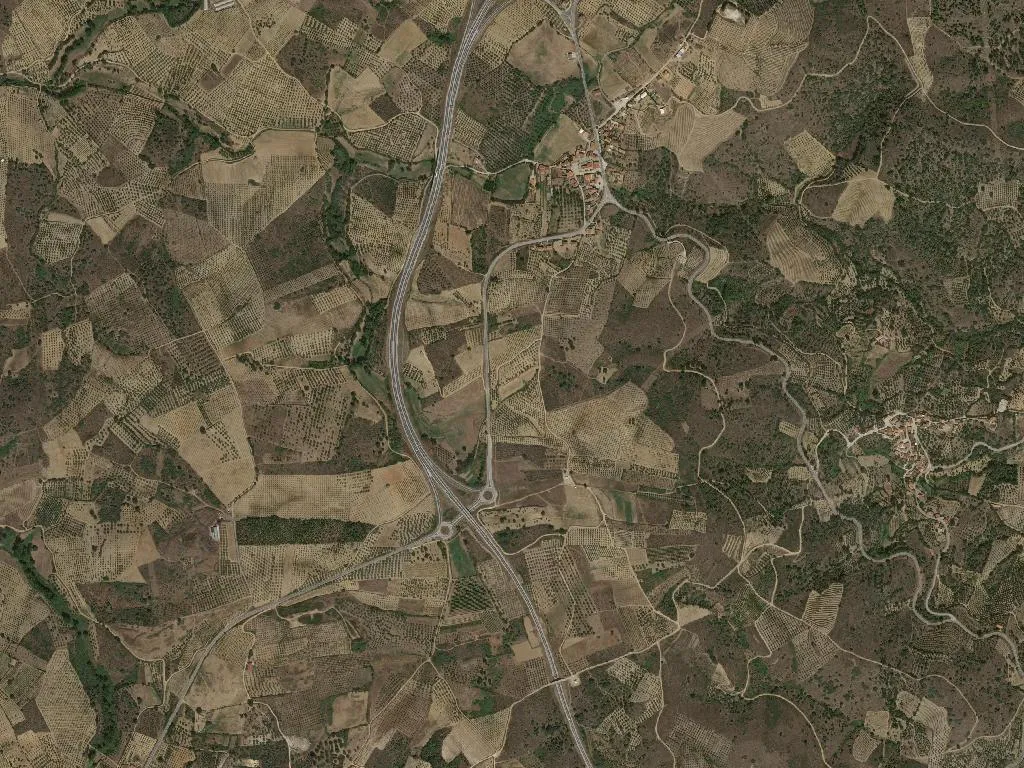
The church bell strikes the hour on time, but it never rings alone. Two other belfries, farther down the valley, answer a fraction of a second later, and for a heartbeat no one can tell which note began the chord. Trindade clings to the slope at 536 m, a patchwork of rust-coloured pantiles and whitewash thick enough to hide the granite beneath. Officially 116 souls live here; in winter the true figure is 104, because the other dozen only appear when registered mail brings bad news. Wood-smoke and laundry scent the narrow lanes; every falling leaf can be heard—first the soft impact, then the skitter across loose soil.
Almond blossom and olive oil
Almond trees do not flower here—they detonate. One mid-February morning, when ice still rings the dogs’ bowl, the buds open overnight and the hillside looks dusted with snow. A single frost after that and the year is ruined, the blossom blackened, the crop lost. When danger passes, the real labour begins. Terraces are worked by hand—tractors are too wide and too expensive—so every olive tree is still known by the name of whoever planted it. The oil is viscous, peppery enough to catch the throat and linger in the corners of the mouth for days. It is saved for winter beans and for the kinds of wounds that never reach a doctor.
What you eat when you stay
Hams cure in the same bedroom where grandchildren sleep; their perfume seeps into the pillowcases and follows dreamers into the night. Chouriça de Vinhais—PGI-protected—spends three nights bathing in oak smoke, no timers, just a nose at the door that waits for the sausage to declare itself ready. Terrincho cheese is never turned; it hangs over a tin bucket and drips its whey away with the patience of someone who has nowhere else to be. Pigs are slaughtered in August so the meat will cool quickly; two village children learn early that blood on the granite is warmer than tears. Each month owns its own killing, sowing or harvest; the calendar is inherited, not bought.
Three days that refuse to die
24 August: São Bartolomeu. The day starts in darkness, driving to Vila Flor for bread because the village bakery closed the morning Dona Albertina took the bus to hospital and never came back. By nine o’clock the square smells of garlic and dripping from elderly beef. Emigrants arrive in hire-cars, smuggling ice-cream inside Kinder-egg capsules and children who answer in accented English. Cards are slammed under the plane tree: money lost that was never possessed, laughter spilled that should be saved. 15 August: Assunção. Everyone walks to the chestnut tree on the ridge carrying a litre of water, descends with half a litre of bagaço firewater inside them. The third gathering is not a feast at all; it is simply the afternoon when those who did not survive the winter are counted. No invitation is issued, yet the entire village assembles.
What remains when the cars leave
Empty houses are never locked; doors stay ajar, revealing cups on tables and coats on chairs as though the owner has only stepped into the garden. The vineyard still clambers over chestnut trellises, but no one prunes—canes wander where they please. The communal oven is lit twice a year: once for the feast-day loaves, once for the bread of the dead. Fountain water runs cold even in August; one gulp kills thirst and homesickness together. Nightfall is abrupt: first the ridge-line dissolves, then everything else is extinguished except the dog at Curral do Meio, barking the stars into their places.
When the bell tolls for the last time, it is not a signal—it is a question. Those of us still here answer in a language only the ones who have stopped listening can hear.