Full article about Valtorno & Mourão: Echoes on the Edge of Portugal
Stone terraces, centenarian olives and three feast days that repopulate a dying highland parish.
Hide article Read full article
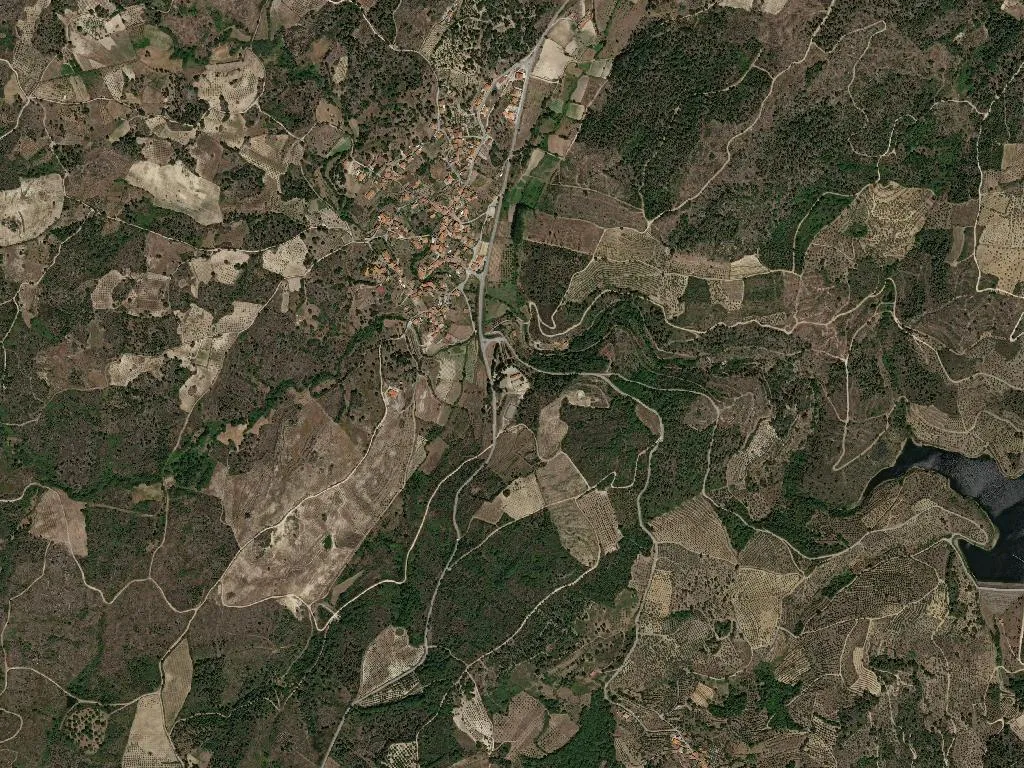
At 632 m the slopes are never silent. Schist hums under the wind; the parish bell tolls the hour. At seven, a blade of sun skims the stone terraces, picking out centuries-old plot lines. Oak-wood smoke threads from chimneys. Valtorno and Mourão, merged into a single civil parish in 2013, share 319 souls across 1,858 hectares; every hectare remembers someone who has left.
High ground, thinning breath
151 residents are over 65, only 26 under 30. Density: 17 per km². Almond trees bloom pink in March with no hands to shake the nuts. Centenarian olives, source of DOP Trás-os-Montes olive oil, lean into the slope like waiting elders. Empty houses outnumber the lit windows; vegetable patches run wild.
Feast days that redraw the map
Three dates repopulate the lanes: 24 August (São Bartolomeu), 15 August (Assumption), and September’s Castanheiro pilgrimage. On those nights hatchbacks squeeze between hay bales, women set out trays of pumpkin pastries, and émigrés fly home from Paris. The churchyard swells; by Tuesday the echo returns.
A kitchen that keeps its own time
Kid goat spends three hours in a wood-fired clay oven. Terrincho DOP ewes’-milk cheese rests 40 days on rough-sawn shelves. In the fumeiro hangs chouriço, salpicão and bisaro pork ham, each ring dated like a library book. Negrinha do Freixo olives arrive with cornmeal broa. There are two places to sleep—Casa do Ribeiro and Casas do Castanheiro—book early.
Dusk drops the mountain cold. Doors shut. Only the wind moves the almond branches, and the scent of burnt oak says someone is still here.