Full article about Mirandese echoes in Caçarelhos e Angueira’s granite hush
Hear Portugal’s secret tongue amid chestnut trees, communal ovens & returnee fiestas
Hide article Read full article
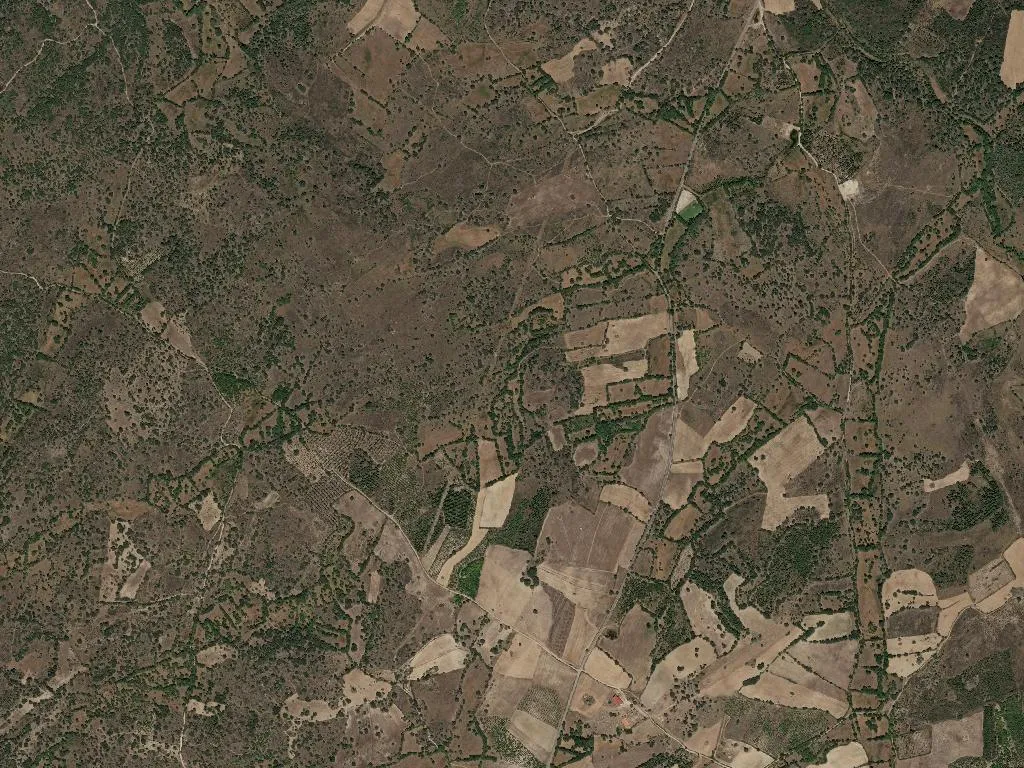
The granite keeps last night’s chill until nearly noon. Along the single-track lanes of Caçarelhos and Angueira, silence pools between house walls like thick mist, broken only by the church bell—one low bronze note that rolls down the valley and dissolves among the chestnut groves. At 758 m, winter air slices the skin; stone granaries cast long shadows over the beaten earth. This is the civil parish union of Caçarelhos e Angueira, 53 km² of Trás-os-Montes where 296 people remain, most older than sixty-five, custodians of a language that refuses to fade.
Words still breathing through stone
Mirandese—Portugal’s officially recognised minority tongue—circulates here not as folklore but as neighbourly currency. Outside Miranda do Douro, this is one of the last places where supermarket queues and porch gossip bend to its Latin cadence. The consonants carry the schist’s rasp, the vowels the softness of bread just freed from the communal oven. In Angueira, 82-year-old Amélia recalls learning Mirandese from a grandfather who never spoke Portuguese; today she reserves it for her older sister, the last other native voice in the household.
Processions that stitch a place together
Two dates swell the population threefold. During the first week of September, the Festa de Nossa Senhora das Graças draws returnees from Bordeaux and Strasbourg; on 24 August, the Romaria de São Bartolomeu assembles the same families who once emigrated on the 1960s coal trains. Both processions follow a route grooved by grandparents’ feet. Incense drifts into kitchens where kid goat crackles in wood ovens; after mass, Mr Joaquim unwraps a 2019 ham from his smoke-house and slices it onto a chestnut board darkened by decades of use. No one speaks of tourism; they speak of obligation.
Cold-country flavours that fill the ribs
Transmontano kid (DOP) roasts twice a month in Caçarelhos’s communal oven, skin blistering while the interior slackens into juice-soaked bread. Mirandesa beef and lamb arrive from upland pastures at 1,000 m; Vinhais ham (IGP) hangs in Mr Manuel’s attic like translucent curtains, each trotter tagged with the grand-children’s birth years. November evenings demand roasted Terra Fria chestnuts (also DOP), tipped from iron pans onto newspaper, their steam mingling with wood-smoke as the village totals its harvest: over half a tonne from the groves of Parada and Valverde.
Tracks between chestnut and meadow
Way-marked in 2018, the 8 km Ribeira de Angueira trail slips between dry-stone walls raised between 1850 and 1920, drops through orchards where husks split to glossy nuts, and ends at the Penedo water-mill, silent since 1967 yet still primed to turn. Beyond, abandoned terraces recall the 1974 exodus to France. The topography is undramatic—rolling sierras, small oak plots, meadows that keep the last rain in their boots—yet the wind carries the resinous snap of distant chimneys and the faint iodine of dry earth. At dusk, oblique light ignites granite façades; footfalls echo longer than physics allows, proof that here geography is ballast, not backdrop, and every Mirandese syllable anchors speaker to stone.