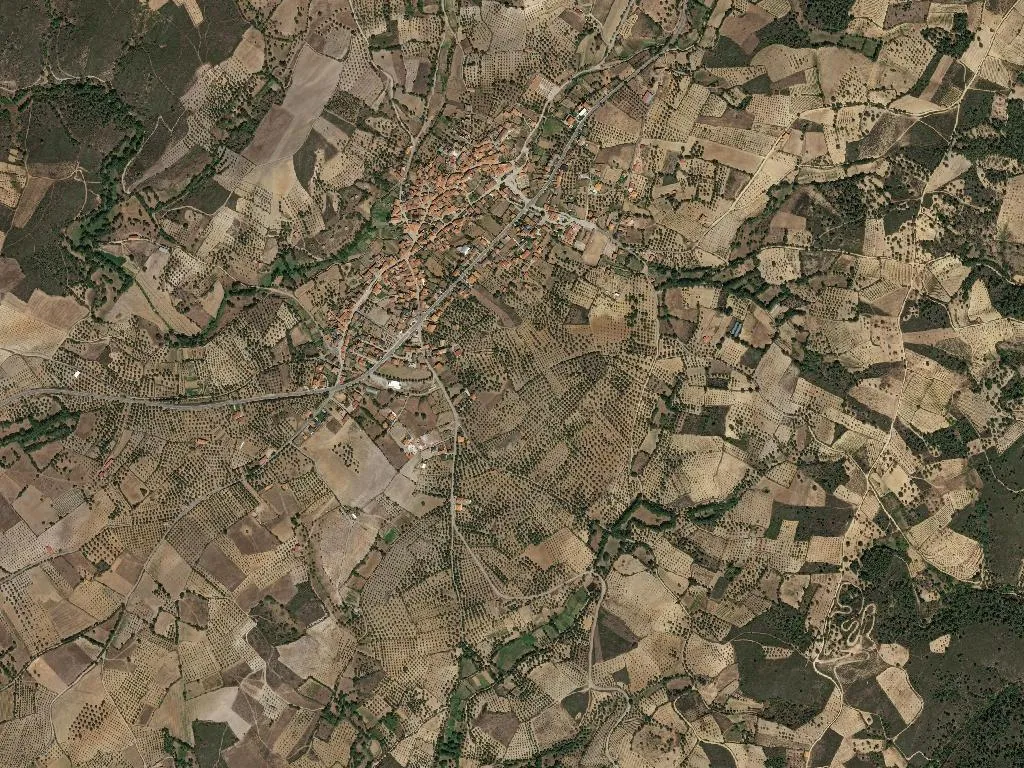
Full article about Santulhão: Dawn Bell Rings for 330 Souls
Baroque altarpieces, 1952 olive groves & 24-man processional platform in Vimioso’s forgotten plateau
Hide article Read full article
The Bell That Still Counts the Dawn
The plateau is still colourless when the parish bell tolls three times. 6.30 a.m., the hour Father Costa set thirty years ago and never saw reason to change. In the schist lanes below, the only reply is the shuffle of Adelaide’s carpet-slippers—eighty-two, descending at 7.15 to let the mongrels out before she climbs to the family olive grove her grandfather planted in 1952, the year he came home from Mozambique.
Santulhão registers 330 souls on the 2021 census; 205 of them are past retirement age. Inside Zé Mário’s tavern, open since 1978, the standing cast has seven members: the proprietor, the Baptista brothers, Aunt Amélia, the mill-hand Toni and the locum who appears every Tuesday when the district medical car winds up from Vimioso.
Stone That Prays, Stone That Keeps
The mother church of Nossa Senhora das Graças rises where a medieval hermitage was demolished in 1692. Its baroque altarpiece left the workshops of Porto in 1734 and took nine days on mule-back to arrive. On 8 September the village’s 180-kilo processional platform needs twenty-four men to lift it; places are allocated strictly by order of inscription in the Brotherhood’s leather-bound ledger.
Two kilometres north-east, the whitewashed chapel of São Bartolomeu hosts its annual romaria on 24 August. In 2023 the head-count was 147 pilgrims—thirty fewer than pre-pandemic. Beside the EM-528, Joaquim’s corn-crib still holds thirty-two sun-bleached ears, enough winter fodder for the two donkeys that refuse to retire.
The Plateau’s Larder
The kid served at O Planalto restaurant belongs to Fernando’s herd in Vilarinho: 120 animals, milk-fed for forty days. The Mirandesa beef seared by Dona Lurdes comes from Miranda & Filhos, the parish butcher established 1983; they break down three or four native calves each week. Olive oil is pressed at Vimioso’s cooperative mill where twenty-eight Santulhão growers delivered 18 tonnes of fruit last harvest, yielding 2,700 litres at 0.3 % acidity—well inside the limit for Trás-os-Montes DOP. Aunt Guida’s cozido transmontano requires fourteen ingredients, including the blood-and-rice morcela she still knots by hand every Wednesday.
Between Green Oak and Winter Grey
The Vimioso walking route, way-marked in 2018, unfurls 8.2 km from the Carvalho water-mill—where Mário the miller worked until 1994, the year local wheat finally ran out—through alvarinho oak scrub where wild-boar tracks were fresh last Friday. Alexandre, 67, spotted the sounder at 6.45 while opening the paddock for his seventeen sheep. Each January the folia singers—fourteen men aged 45 to 78—pass through on Twelfth Night, having walked the circuit from Sendim, Ifanes and Constantim. They rehearse from November onwards in the parish council chamber, Tuesdays at nine, keeping the polyphonic chants that pre-date the border with Spain.