Full article about Agrochão’s oak-smoke chouriço cure at 628 m
In Vinhais’ remotest schist hamlet, Bísaro pigs and 18th-century smokehouses outrank the census.
Hide article Read full article
Smoke mornings at 628 m
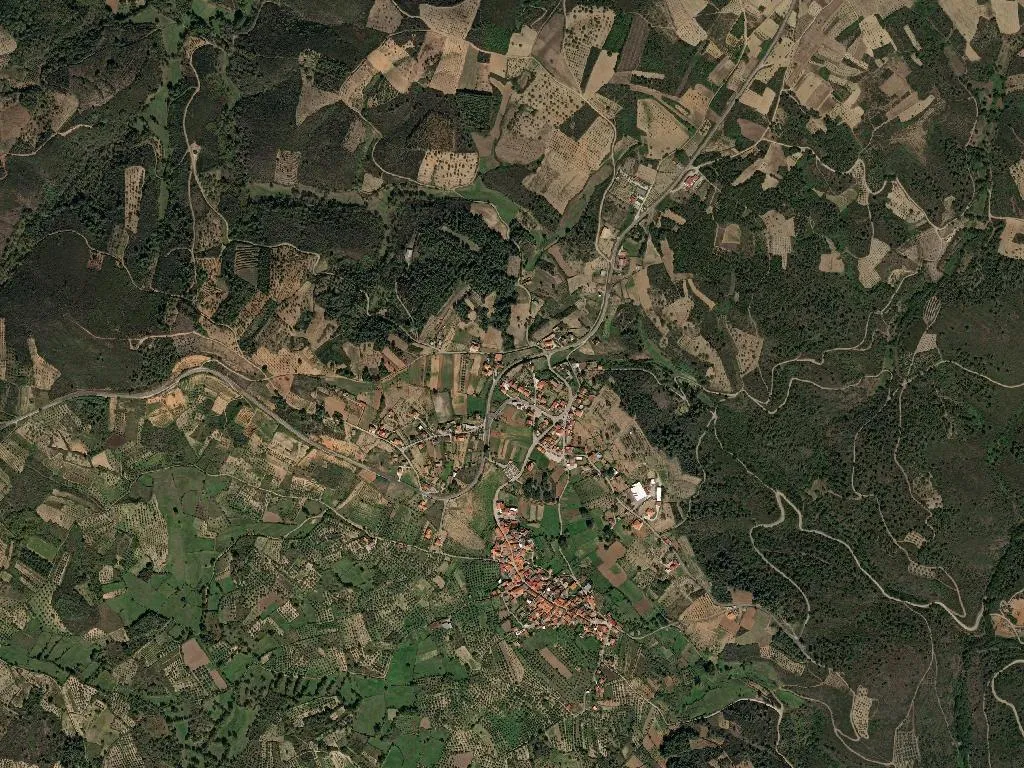
Oak smoke climbs dead-straight from schist chimneys into the dawn chill. Inside the windowless fumeiro, ropes of chouriço and salpicão swing like burgundy curtains, slow-cured by a smouldering log pile that has hardly gone cold since 1758. In that year the village priest, Domingos Lopes, sent a note to Lisbon’s royal surveyors: “The people of Agrochão slaughter for winter and fill sausages that keep until the next harvest.” The description still fits. Stone houses dribble across 1,748 hectares of heather and cork oak that rub shoulders with Montesinho Natural Park, and the 220 souls left here measure tradition by the gram, not the census.
The Bísaro pig and edible altitude
Semi-wild Bísaro pigs graze the marshy oak flats, fattening on Terra Fria DOP chestnuts and Trás-os-Montes PGI potatoes. When November frost hardens the ground, every scrap of the animal obeys rules codified in Amélia’s head: loins salted three days, hams seven, salpicão dosed with three cloves of garlic per kilo. Vinhais PGI hams hang in mountain air until they weigh half their original heft; salpicão darkens with local smoked-paprika; linguiça ferments quietly above the hearth. The result is a pressed map you can slice: altitude, cold and patience rendered in fat and smoke.
Stone walls to Santiago
The eastern arm of the Portuguese Camino enters Agrochão from Vinhais along rural footpaths first mapped during the 1936–41 “ribeira works” that channelled seasonal floods. Dry-stone walls shoulder the track upward; beyond them Bragançano lambs, source of the region’s DOP lamb, graze within sight of the Nossa Senhora da Graça sanctuary 12 km away. In pine plantations seeded by foresters during the 1960s, the buzzard’s whistle slices the afternoon. Yellow arrows confirm you are still 18.5 km from Santiago-bound pilgrims’ beds in Vinhais.
August resurrection
On 15 August the village doubles. Emigrants drive down from Lyon and Paris, packing the 1784 chapel with silk-paper flowers that Alzira has folded all year. The Assumption procession inches along Rua Direita—first electrified in 1962—followed by bass drums from Vilar de Ossos. In the churchyard, long tables load up with Agrochão-bean stew (seeds Odete has kept in jars since 1978), roast shoulder of local lamb, and Miranda beef seared over vine-twig embers. By dusk the cars leave, and silence settles again, thick as the smoke drifting from rafters.
Quiet staying power
Census 2021 counted 124 residents over 65 and just 15 under 18; Agrochão teeters on the demographic brink. Still, António Baptista, 72, plants 400 certified seed potatoes each spring; Emília’s birth ledger runs back to 1923; and every chimney puffs oak fragrance through the evening. No one calls it romantic; desertion would simply erase centuries. Stand by the communal bread oven at sunset—built 1947, still fired for feast days—and the air tastes exactly of the village: hardwood smoke, roasted chestnut and time cured into something you can still bite.