Full article about Maçainhas: Olive Terraces & Wood-Fire Aromas
In Belmonte’s UNESCO Geopark, Maçainhas keeps watermill memories and peppery DOP oil alive.
Hide article Read full article
The Sound of Olives
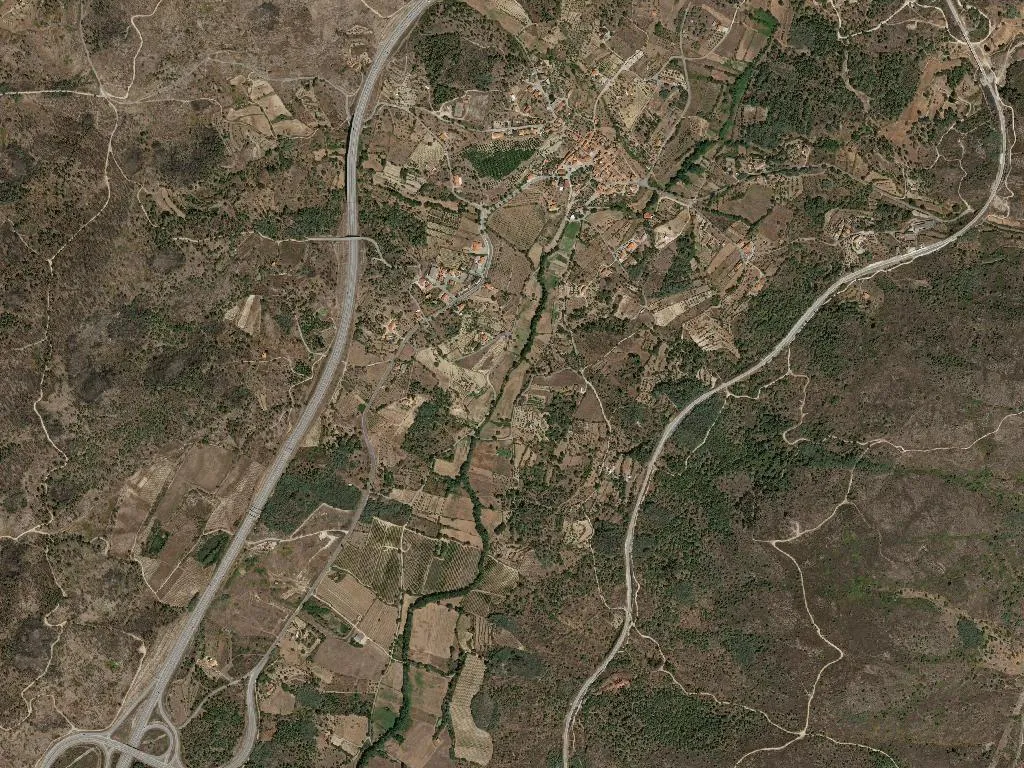
It begins with a hush: silver-green leaves shivering against the rinsed-out sky of the Beira Interior. Then the scent — sun-baked schist, resin bleeding from stone pines, the peppery tang of new olive oil weeping from the presses. Maçainhas hovers 490 m above sea level in a slow-motion swell of hills, the Maçainhas and Valongo streams scoring hair-fine lines across the plateau. Inside the only Portuguese territory admitted to UNESCO’s Global Geoparks network, 312 people steward 1,820 hectares of olive terraces, almond groves and stubborn agricultural memory.
Where Mills Once Named the Land
The village takes its label from macina, Latin for mill — not a poetic conceit but a matter of record. Watermills lined the ravines, turning grain into bread and revenue until the early twentieth century. Maçainhas was raised to parish status in 1568 when the teen-aged King Sebastian confirmed the donation of St John the Baptist chapel to Belmonte’s Santa Casa da Misericórdia, yet it clung to Covilhã’s orbit until an 1855 border reshuffle finally anchored it to Belmonte. That late arrival explains the place’s intact self-image: a parish small enough for neighbours to clock the ripening of each other’s olives, large enough to sustain its own olive-oil cooperative, founded 1957 and still running.
Oil, Kid and the Pantry of the Geopark
The kitchen is an extension of the grove. Beira Interior olive oil — DOP since 1996, split into Beira Alta and Beira Baixa versions — underwrites every dish. Hand-threshed Galega olives, violet-blushed and meaty, are poured beside warm linhaça (flax-seed) bread from Oliveira’s wood-fired bakery, open since 1923. Kids graze semi-wild on broom and rock-rose; the resulting Cabrito da Beira is roasted over laurel and rosemary at Zé Manel’s weekend-only restaurant, the crackle audible from the lane. In June the first Cova da Beira cherries appear, followed by PDO Maçã Bravo de Esmolfe apples and Murça peaches whose sugars are concentrated by the 20 °C swing between day and night. Nothing is deconstructed or foam-enhanced; the cooking simply steps out of the way of ingredients that already taste of altitude and quartzite.
Between Terraces and 320-Million-Year-Old Stone
Walk five minutes uphill and you are trespassing on the Carboniferous. The Geopark is not a visitor centre but the crust of the earth left casually exposed: crumpled greywacke, rust-coloured quartzite ribs, flakes of fossilised seabed glinting in the path. Egyptian vultures nest on the Roxo crags, purple herons stalk the Maçainhas stream, and strawberry trees manage to thrive despite January frosts that can dip to –8 °C. Population density is 17 souls per square kilometre, leaving generous acreage for silence — the sort that makes a distant tractor sound like an event.
What Unfolds Slowly
Maçainhas offers no checklist. Leave the IP3 at Belmonte, follow the local road until asphalt gives way to calçada, then drop into the centenary terraces of Quinta do Roxo where the only signage is a hand-painted olive silhouette. There is just one place to sleep — Casa do Roxo, a converted farmhouse with three double rooms and a plunge pool scooped from the bedrock — so tourism feels incidental rather than engineered. Belmonte’s Templar castle and new Jewish Museum (Portugal’s first) lie twelve kilometres away, yet the evening ritual belongs here: watching the sun solder the olive canopy to the sky while the cooperative’s press releases a final sigh of oil into stainless-steel tanks. The taste that lingers is metallic-green, as if the landscape itself had been decanted.