Full article about Fatela’s Stone Silence & Goat Stew Smoke
Tramontana wind, 16th-c. church shadows and midnight-black chanfana at 520 m in the Gardunha.
Hide article Read full article
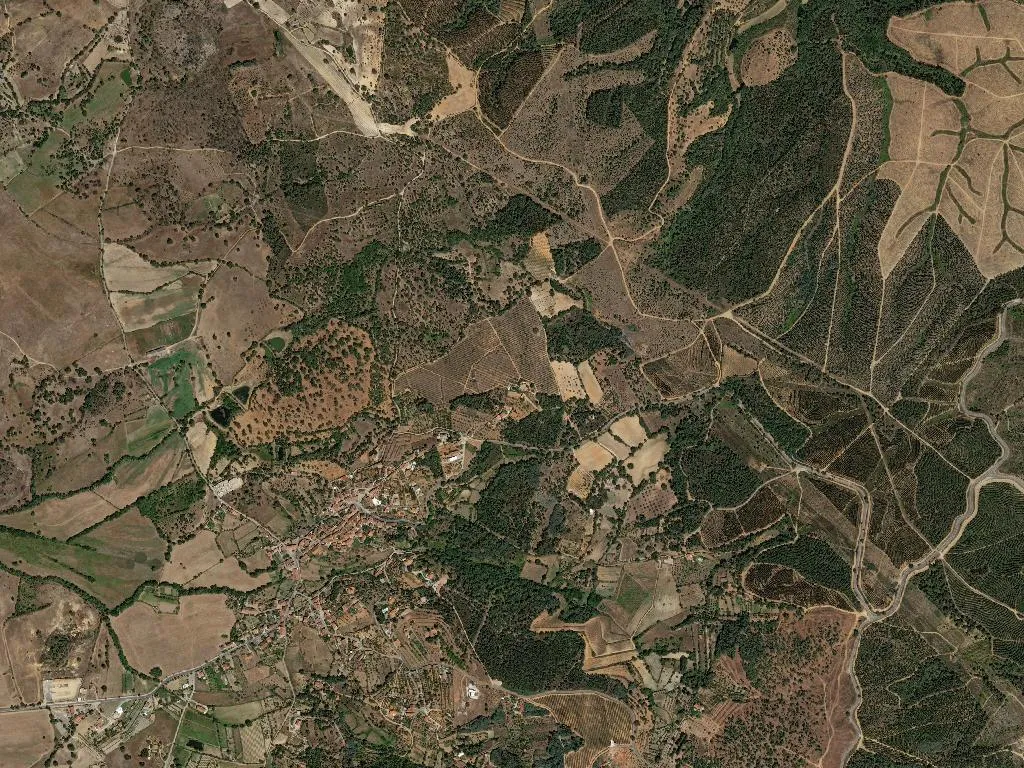
The wind smells of warm earth and bruised olive leaf. It slides fast between almond-grey trunks, carrying the rasp of rock-rose in its teeth. You stand at 520 m on the first slate ledge of the Serra da Gardunha; the stone grinds under Vibram like old porcelain. In Fatela silence has mass – not the absence of sound, but the low hum of your own blood finally audible. The first time you hear it, it’s unnerving.
Stone, carving and pilgrims
The parish church crouches exactly where it has since 1570, between Mário’s tabacaria and a café that bolts its door at seven. Inside, the air is beeswax and moth-balled linen – the scent of a grandmother’s sideboard. Gilt altarpieces flicker under a single forty-watt bulb, yet the carving still shows the bruises of 18th-century chisels. In the porch a basalt cross, polished by centuries of gripping hands, shines like boot leather.
A mile uphill, past tractor-ruts that turn to clay soup in winter, sits the whitewashed Capela do Carmo. Each July the villagers haul Nossa Senhora out on a farm cart lined with tissue paper, towing her through peach orchards so ripe the fruit stains shirts like blood. Incense sinks into cotton and stays for days.
The yellow-arrowed Caminho de Santiago cuts straight through the hamlet, but the walkers are foreigners. Locals watch them file past the way you watch a train on an elevated track – aware it’s going somewhere important, none of your business.
Altitude flavours
Kid goat roasts in Zé Manel’s wood oven whose bricks still hold yesterday’s heat. Skin crackles like thin toffee; fat drips onto door-stop bread made with flour from Penha’s water-mill – the wheel turns only when the stream remembers to flow. Chanfana is not for the timid: last year’s red wine, a slug of bagaço brandy, goat stewed until midnight-black, tasting of barn and meadow in equal parts. If that frightens you, order maranha – blood-and-rice morcela that Grandma Rosa mixes by instinct, never weighing, never twice the same.
In the cellar smokehouse, chouriços darken like antique mahogany. The farinheira leaves a campfire ghost on the palate long after the plate is cleared. Olive oil comes from the Paul valley behind the ridge; it scratches the throat deliciously and can make a novice cough. Locals binge on Fundão cherries until their stomachs ache; grandfathers mutter it’s “the blood bursting”, but no one stops.
The weight of quiet
Population 456, yet on a Wednesday afternoon you’d swear twenty. Shops pull their metal grilles at noon; embroidered curtains remain drawn. The only bar serves espresso in thick porcelain and the owner whispers as if mass were in progress.
At six the church bell tolls once – a curfew call for the village hens. After that, only Silvestre’s dog tests the wind and your own footsteps crunching the dirt road. When the sun drops behind the slate shoulder, the heated stone exhales a scent of dust and hot rubber. That is when you understand: Fatela will be here long after your rental car has gone, and it will not miss you.