Full article about Soalheira: Sunlit olives & silent granite
In Fundão’s high village, Galega trees, DOP oil and pilgrim footfalls share the same hot light
Hide article Read full article
The Sun Writes the Rules
By mid-morning the light has already stiffened the olive leaves into small blades of silver. At 414 m above sea level, Soalheira takes its name from the Latin sola—the sun—and lives under a sky that rarely apologises. Rows of Galega olives angle their trunks to absorb every lumen, their bark corkscrewed by decades of winter wind that barrels up from the Tejo valley. Sound is rationed: a hoopoe’s three-note call, water lisping over granite, the dry click of pruning shears. The parish has 852 inhabitants, 1 242 hectares and no traffic lights; space is measured in ripening cycles, not metres.
A Geography you can Taste
Inside the cooperative mill, granite millstones have been replaced by stainless-steel hammer mills, yet the oil still emerges the colour of early straw. Beira Interior DOP olive oil must contain at least 70 % Galega da Beira Baixa, the small, freckled fruit that concentrates sugar and polyphenols under this thermal amplitude. The result is an oil that bites the back of the throat with artichoke and green almond, liquid enough to lace the regional kid stew but viscous enough to stale a loaf of hot bread within minutes. Drive five kilometres east and the same geology—schist overlaid with quartz sands—supports Cova da Beira cherries, apples and peaches, all protected by IGP status. June brings the pickers’ tarlatans smeared garnet; October smells of bruised Reineta apples fermenting in the grass.
Footprints on the Via Lusitana
Soalheira is a waypoint on the inland route to Santiago, the Via Lusitana, but you will not find scallop-shell gift shops. Pilgrims arrive dusty, looking for the discreet yellow arrow on the village pump, then refill bottles from the stone trough that feeds the public washhouse. The parish church, rebuilt in 1690 after the 1531 earthquake, keeps its doors latched unless the sacristan hears boots on the steps. Locals measure the passing traffic in walking-stick rubber: German composite tips in spring, French aluminium in autumn. The exchange is brief—directions, a fig, a request to close the gate so the goats don’t invade the olive nursery.
Working Landscape
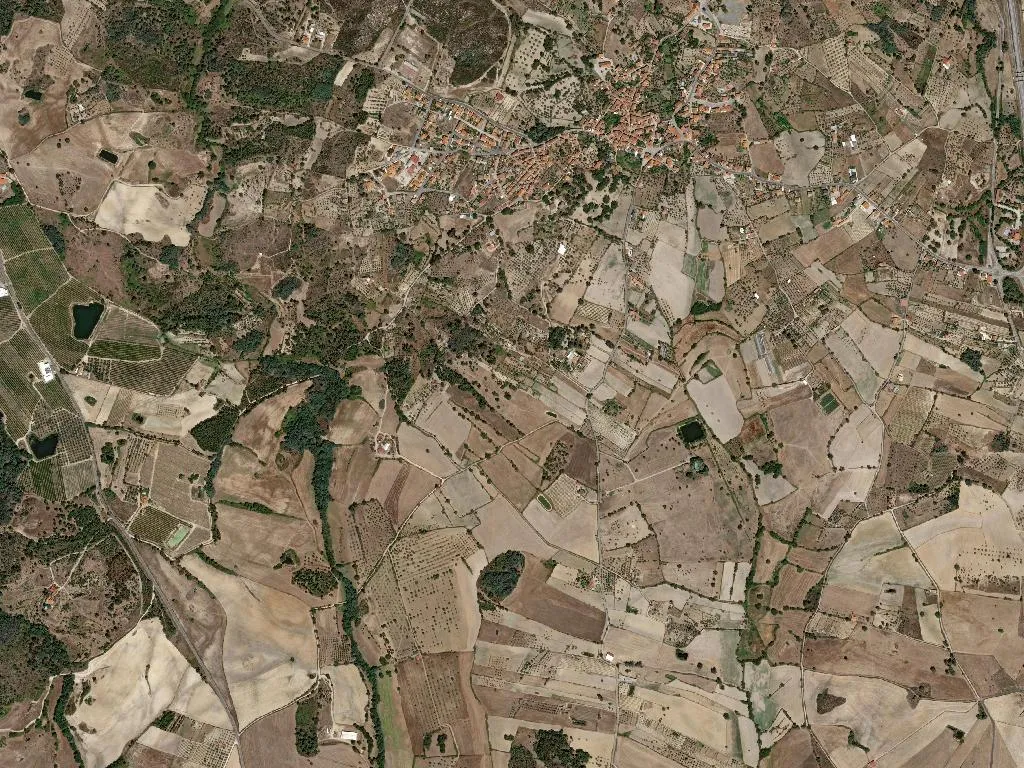
From the air, the land is a Mondrian of olives, orchards and parcels of mato where rosemary and rockrose compete for poor soil. Mechanisation stops where terraces narrow to a single donkey width; here 337 residents over the age of 65 still prune by eye, estimating light penetration with the same gesture their grandfathers used. Younger Fundão commuters return at weekends to inherit half-hectare plots, trading spreadsheets for chain-saws, creating a quiet demographic rebound. Density is 68 people per km², low enough for stone walls to outlast the humans who stacked them, high enough for the primary school to keep one composite class of fourteen pupils.
The only guesthouse, Casa do Lagar, was the old pressing barn: three bedrooms, lime-plaster walls, a breakfast table that faces east so the first sun warms the coffee. Booking is handled by the owner’s daughter in Coimbra; she emails GPS coordinates and a gate code, nothing else. There are no restaurants, but the parish council will arrange a tasting in the cooperative warehouse if you ask a day ahead. Expect disposable cups, a horizontal tasting of last three harvests, and an explanation of why free fatty acidity below 0.2 % matters more than gold colour.
When the Light Lets Go
Late afternoon tilts the sun into the olive canopies and the entire slope turns mercury. Wood smoke drifts downhill, mixing with resin from maritime pines planted in the 1960s to stop schist slipping. In that hour you understand the logic of Soalheira: a place that never needed to be explained, only illuminated. The day’s heat lingers in the stone; night air carries the temperature of orchard dew. Tomorrow the same sun will climb the eastern crest, re-writing shadows across a parish that measures wealth in litres per tree and happiness in decibels of silence.