Full article about Cherry-scented Vale de Prazeres & Mata da Rainha
Follow bell-echoing paths between schist terraces and a 1724 six-spout fountain in Fundão.
Hide article Read full article
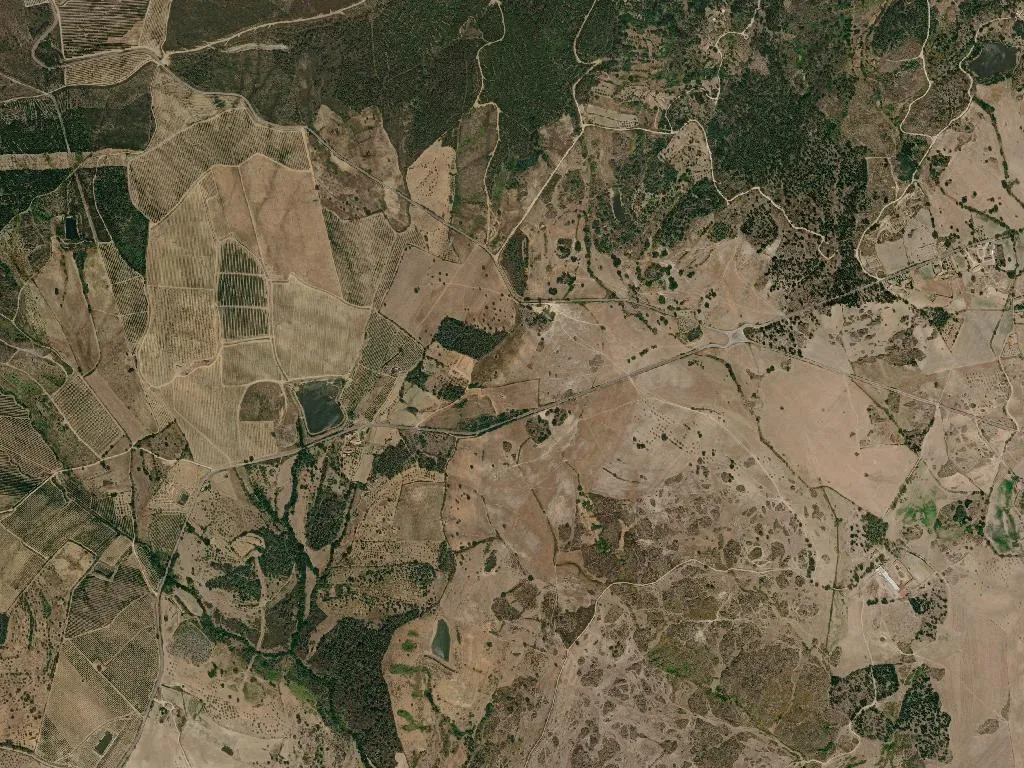
The scent of sun-warmed cherries hangs above the damp-earth breath of the stream. In Vale de Prazeres – the Valley of Pleasures – schist terraces stitch a green-and-ochre patchwork of almond and cherry, their trunks held in place by slate walls that have shouldered the slope since the House of Avis sat on the Portuguese throne. By mid-morning the only sounds are water gossiping down from the Serra da Gardunha and a single bell rebounding between quartzite ridges: either the 1727 parish church of São João Baptista or the tiny chapel of São Pedro, a mile away in Mata da Rainha, a settlement that voted itself an independent parish in 1976, changed its mind in 2013, and quietly slipped back into the older fold.
Two names, one story
A 1515 royal charter already records Vallis Prazerum, acknowledging the vegetable gardens that monks from the nearby Cistercian house at Alpedrinha kept here on irrigated ledges. Mata da Rainha – “the Queen’s Wood” – is older still: a medieval royal hunting ground threaded by transhumance trails linking the high plateau of Beira Alta to the granite massif of the Gardunha. French troops and British commissariat mules used the same tracks during the Napoleonic scramble of 1810-11; Marshal Masséna’s baggage train reportedly crossed the stone bridge at dawn on 3 March 1811, heading for the fortress at Sabugal. Today the Caminho Interior de Santiago follows part of that route, ushering pilgrims across the parish to stamp their credencial in the chapel at Mata da Rainha before pushing on to Alpedrinha.
Grey limestone and a single baroque retable hold the afternoon light inside Vale de Prazeres’ parish church; outside, eighteenth-century granite calvaries stand like silent sentries. Mata da Rainha ripostes with a six-spout fountain dated 1724 where women scrubbed sheets until the 1990s, exchanging gossip between rivulets. Between the two settlements the pack-horse bridge over the Ribeira de Vale de Prazeres survived the flood of 1978 – still the benchmark cloudburst for every local over fifty. In scattered hamlets, stone olive-presses shelter hand-hewn wooden screws and granite millstones; a handful still produce Beira Interior DOP oil, peppery and the colour of early straw.
Flavours that take root
Kid chanfana ferments for half a day in Bisalhães black clay, red wine and a heady measure of alho-negro – black garlic – filling the kitchen with a scent that clings to hair and clothes. April brings wild asparagus from the Gardunha slopes, folded into migas with smoked belly pork; summer tomato-and-pepper soup, finished with a poached egg, demands a wedge of rye from the baker at Trancoso. Barrel-cured sheep’s cheese spends six months submerged in olive oil, emerging with a burnished rind and the concentrated tang of dry grass. The IGP cherry of Cova da Beira is picked in public orchards during May and June; whatever isn’t eaten straight from the tree reappears as house-made liqueur, macerated in local grape brandy. At Christmas, anise biscuits share the table with a curd-and-heather-honey sweet whose honey comes from Estrela bees wintering on gorse and broom.
Trails of water and stone
The six-kilometre Mill Trail begins beneath the church tower and loops upstream past nineteenth-century water-mills, the medieval bridge and a belvedere that frames the Gardunha ridge. Irrigation pools once used for vegetable plots now harbour demoiselles and turquoise-winged dragonflies. Schist outcrops host kestrels and little owls; in winter the signed look-outs are perfect for watching hen harriers quarter the valley. Mata da Rainha guards a lone Algerian oak, 4.2 m in girth and over 300 years old; classified of public interest in 2017, its cracked bark and twisted trunk shade a picnic table and an entire classroom of children on nature days.
A living calendar
The first Sunday of May brings a romaria in honour of Nossa Senhora da Conceição: hymn-singing at dusk, then an open-air dance that lasts until the sun reappears over the ridge. On 29 June São Pedro blesses the fields at Mata da Rainha and the communal sponge-cake – recipe unchanged since 1850 – is sliced for neighbours and strangers alike. Epiphany is marked by the Three Kings procession, concertinas wheezing out chamarrita while slices of bolo-rei and thimblefuls of aguardiente are handed over at every gate. October’s fair spreads over the churchyard: cherries already liqueured, new oil in green-tinted bottles, heather honey, and wicker baskets woven by three remaining artisans who still know how to split willow along the grain.
Cold from the bridge’s stone seeps through your palms. Beneath, the stream repeats the same liquid syllables it spoke to monks, muleteers, pilgrims and retreating armies. On the bank, dark moss contrasts with black slate. Memory here is not archived behind glass; it is tasted in the first pressing of November oil, heard in a bell that counts the hours without hurry, felt in the grain of a granite cross worn smoother by thumbs than by rain.