Full article about Idanha-a-Velha: Romans, Templars & thyme-scented beef
Granite ruins echo legions, cork pops, olive oil flows—Idanha-a-Nova & Alcafozes wait.
Hide article Read full article
Granite that remembers Rome
Morning light strikes the granite walls of Idanha-a-Velha and throws shadows as old as the masonry itself. Silence pools between the stones, broken only by the Ponsul river slipping past olive groves exactly as it did when cartographers labelled the settlement Egitânia. No queues, no audio guides, no coach parks—just the resinous snap of cork oak and dust rising from a single farm tractor.
The village sits inside a 300-metre-square archaeological core that compresses two millennia into a five-minute stroll. Sixth-century Visigothic pillars stand on Roman footings; a 13-metre Templar keep grows from the podium of a temple to Venus; a 16-century Manueline pillory declares royal privileges carved in 1510. Cross the two-arched Roman bridge—still carrying local traffic—and you step onto the Via da Prata, the silver route that once marched legions from Mérida to Braga.
Alcafozes, three kilometres east, keeps its Arabic name—“place of the Moorish cages”—and a street plan that tightens around you like a belt. Houses shoulder each other for shade, chimneys taper like minarets, and every second doorway frames a chapel no larger than a London lift.
Oil, wine and meat that tastes of thyme
Landscape here dictates the larder. Some 400 hectares of olive trees produce Beira Interior DOP oil, cold-pressed from Galega da Beira Baixa IGP fruit so dense it stains the finger. Kids destined for IGP Cabrito da Beira graze on quartz outcrops inside Naturtejo Geopark, aromatising their meat with wild thyme and lavender. The local DOP beef—Carnalenteana—ages 21 days and arrives at table in thick-cut steaks, sided by potatoes roasted in the same olive groves the cattle once wandered. Wines are high-altitude, high-acidity reds from the Beira Interior demarcation: look for Touriga Nacional and Syrah blends that reward an hour in a carafe and another hour of conversation.
Trails where granite meets water
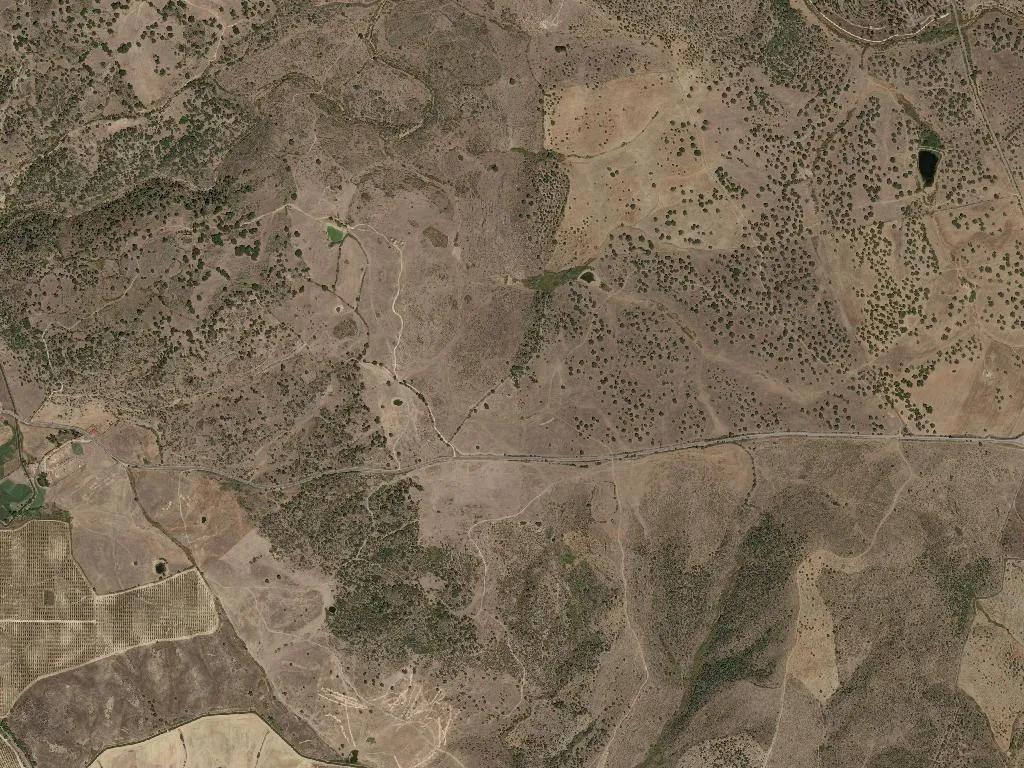
Covering 285 km² yet home to only 2 388 people, the combined parish has a lower population density than Mongolia. Way-marked footpaths—PR3 “Rota das Almádenas” and PR5 “Rota do Contrabando”—dip through cork and holm oak, cross abandoned olive terraces and skirt the 23-km-long Idanha reservoir where black kites wheel above mirror water. Griffon vultures breed on quartzite cliffs inside the International Tagus Natural Park; you rarely need binoculars—just pause and the sky delivers. Geologists come for Ordovician fossils and the 480-million-year-old marine sediments exposed in Penha Garcia’s “fossil waterfall”; walkers come for the hush.
The weight of quiet
Nine places to stay—three village houses, two rural B&Bs, a four-room hostel in a restored primary school—are spread across the parish. Check-in is often handled by a neighbour who keeps the key in a flour tin. Church bells mark the hours, dogs negotiate territory, the night air carries cold from the 600-metre plateau. With 725 residents over 65 and only 282 under 25, cafés unlock at nine and bolt by seven; conversations stretch like sun-warmed toffee. There is no curated Instagram corner, no souvenir fridge magnet. Instead you leave with dust on your boots, rosemary lodged in your jumper and the echo of your own footfall on a Roman bridge that has carried soldiers, merchants and now you across the same water for nineteen centuries.