Full article about Mosteiro: schist whispers in Oleiros pines
Hear water thread stone, taste turnip soup, trace pilgrims’ unmarked Via Lusitana.
Hide article Read full article
Mosteiro, where the schist keeps its own counsel
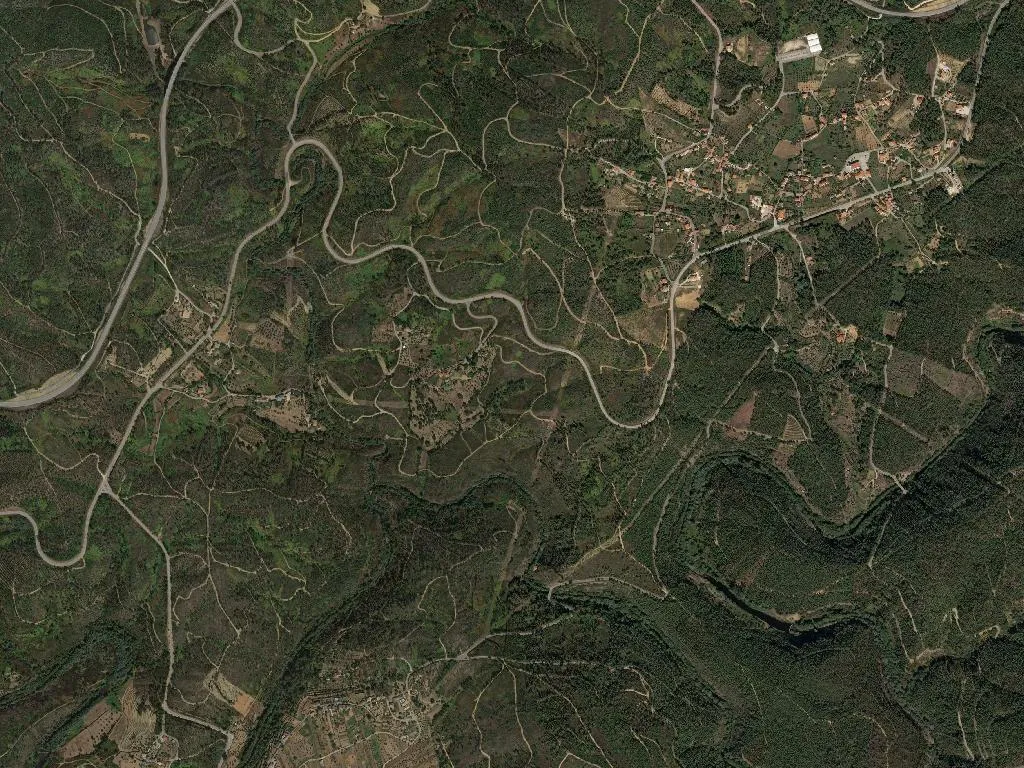
The first thing you hear is water – a filament of sound, almost apologetic, threading between moss-slick stones somewhere beneath the track. Then the wind rifles the pines, carrying resin and the scent of damp earth up the slope. Mosteiro, a scatter of roofs in the municipality of Oleiros, doesn’t announce itself; it simply begins. The tarmac shrinks to a lane, the lane to a ribbon of ochre dust, and the first proof of settlement is a waist-high wall of slate-dark schist, stacked without mortar by men who clearly believed time was a renewable resource. Two hundred and sixty souls are registered here, though the roll-call is shrinking: Zulinda has moved to her daughter in Castelo Branco and no-one has seen António in the taberna since last winter’s first frost.
The hermitage that baptised the village
No-one calls it a hermitage any more; it is simply “the church”, a single-cell stone box with walls three hand-spans thick – a measurement my grandfather drilled into me when I was tall enough to reach them. The priest still leaves the key under a cracked terracotta pot; everyone knows the place, no-one bothers to steal it. Inside, the air is a blend of beeswax from Dona Amélia’s shop and lavender water swabbed across the flagstones every Friday by the sacristan’s wife. My mother’s bare feet once burned against those stones on midsummer feast days; every generation of my family has been baptised at the granite font whose rim is dished like a saddle from five centuries of use.
Walking with the pilgrims
They arrive with sun-flushed cheeks and dust in their socks, stopping at the village fountain to refill plastic bottles. My uncle, if he is holding up the counter at the taberna, waves them to a bench and serves whatever the pot contains – yesterday, turnip soup and a disc of chouriço, tomorrow a mystery. No-one mentions the Via Lusitana, but they’ll sketch a map on the back of a cigarette packet: take the upper road, the lower bridge was swept away in October’s floods. At dusk they pitch tents on the waste ground by the stream; the zip of a rucksack carries further than their foreign vowels. Occasionally the smallholder known only as Caseiro wanders down with a demijohn of rough red and stays to debate footpaths and politics while his mongrel noses kneecaps for attention.
Schist, cork oaks and Jurassic postcards
A government programme repopulated these hills with “schist villages” – neat rows of re-pointed cottages and municipal signboards. The stone that matters is older: the schist that weeps black water in heavy rain and must be re-dressed with lime, never cement. Cork oaks wear the initials of my great-grandmother, branded when she was a bride; the Geopark buses in school parties and Japanese photographers hunting trilobites, yet we used those same fossils as weights when husking maize. After rain the Ribeira de Mosteiro smells of rot-sweet leaves and iron-rich mud – the precise scent of afternoons I should have spent in school but spent instead tickling eels from under river stones.
Kid, olives and a table that stays laid
For feast days the kid is roasted in Zé Manel’s oven – the only one large enough – fuelled with at least a year-dried holm-oak so the skin blisters properly. The aroma climbs the lanes like gossip: past the abandoned primary school, along the cemetery wall, over the ridge to the hamlet of Redondo. Olives are eaten from the basket, wrinkled and salt-crusted until they pinch the tongue. Wine arrives in five-litre garrafões from Adelino’s cousin in Fundão – sharp, pale, poured into thimble glasses that are refilled as fast as they are emptied. When a pig is slaughtered, the neighbour from Portela produces morcela heavy with paprika she grinds herself in her brother’s water-mill.
Stay, watch, take part
Mechanised harvesters from Beira Alta now shave the olive terraces in two days, but tradition limps on: younger women hook the upper branches with long canes, the old sit on the ground and sort the fruit one by one, trading scandal. Antonio das Cavadas still grazes his mixed flock – sheep and goats – on the Carvalhal ridge, calling each animal by the names he gives them: “Fidalga! Bruxa! Preta!” When one strays we spend the afternoon combing the gorse, whistling until the light goes.
Late afternoon, the sun slips behind the Senhora do Monte and a single shaft finds my grandmother’s kitchen, settling on the stone table where she kneads tomorrow’s bread. At that hour silence is complete – no bird, no tractor, only the creak of Dona Amélia’s iron bed as she turns over. Below, the stream keeps its ancient conversation, running as it did before I arrived and as it will when I am gone.