Full article about Oleiros-Amieira: where schist speaks louder than tar
Granite bends roads, goats season Sundays and lace-lined cottages wait at 506 m
Hide article Read full article
What the road remembers
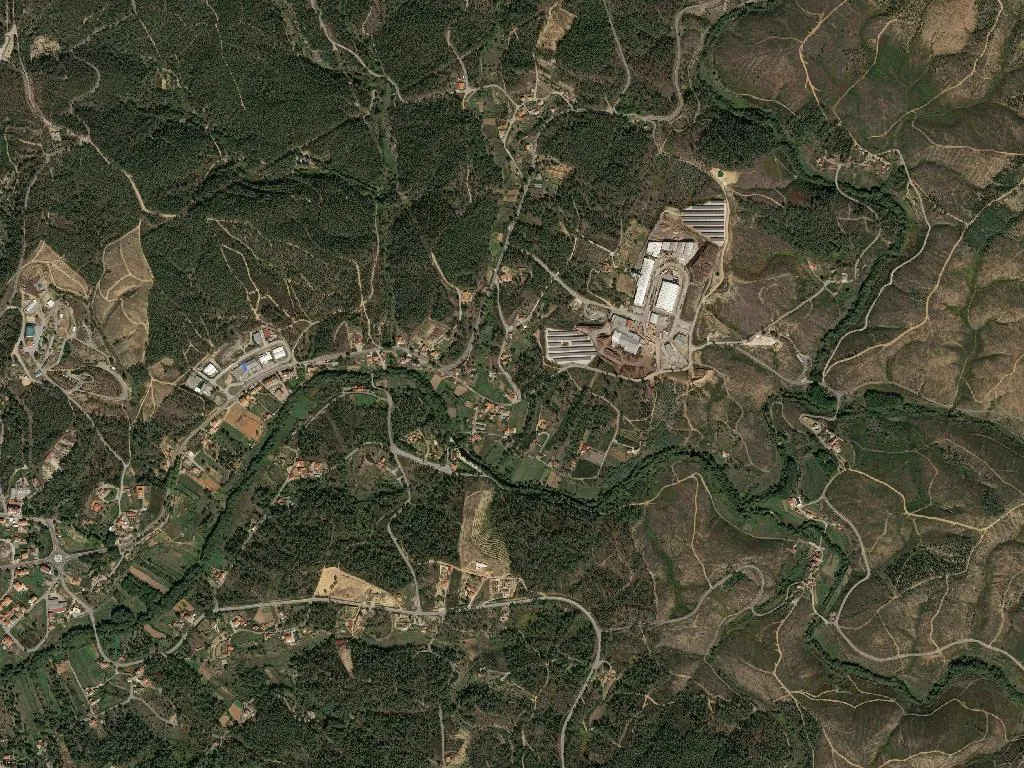
The tarmac bends once, twice, then surrenders to granite. At 506 m the engine strains, but the ear picks up something older: water sliding over schist, a stream whose name even locals mumble. Suddenly the church tower pricks the skyline and you realise you have entered Oleiros-Amieira—not a vignette but 143 square kilometres where the map shrugs and the rock makes the rules.
The stone archive
You do not need Unesco lettering to read this landscape; the strata do the talking. Follow the Yellow Schist Trail and the sandstone layers fan out like cancelled chequebooks—each page a million-year deposit. At the far end a loose wall, no mortar, just gravity and conversation. Ask the man in the green cap and he’ll tell you his father shelled lupins here while sheep grazed around him. Listed heritage? Possibly. Living memory? Without question.
What reaches the table
No tasting menu, just goat that grazed the same slopes you drove up, slaughtered on Friday, wood-roasted on Sunday at Adega do Xisto. Olives are picked to order; tell Glória they’re for eating, not Instagram, and she’ll hand you a bowl still warm from the sun. The oil is so dense it stands to attention on the bread. If that sounds too stark, the Intermarché in town offers aisle three; the restaurant will forgive you.
Where to switch the lights off
Eleven turismo rural houses, each christened after a grandmother and overstocked with lace. The least performative is Cabeço da Mina: no television, just a balcony where the neighbour’s dog conducts lunar debates. Book early; August forms a queue that stretches two full weeks, long enough for the village to remember your name and forget it again.
Arrivals and departures
Of the 2 080 souls on the roll, 736 know every edible mushroom and have their exit stamp already prepared. Of the 182 teenagers, half study engineering in Porto, return for São João weekend, crash the only Wi-Fi café and vanish at dawn. The primary school still has a freshly qualified teacher—this year imported from Lisbon on an electric motorbike who finds the silence “therapeutic”. Odds are being laid on how long the battery lasts.
Oleiros-Amieira does not do hand-outs. Bring good tyres, a full phone battery and a willingness to misplace half a day. Pack boots, remember the jumper—night always falls cold—and when you pause in the churchyard for the photograph, inhale once. The air carries rock-rose, woodsmoke and scorched olive oil; a blend no airport duty-free will ever bottle, yet it clears customs in the mind forever.