Full article about Silence rings louder than bells in Aldeia do Bispo
920 m above Beira, three hamlets share wind, wolves and a cistern’s creak
Hide article Read full article
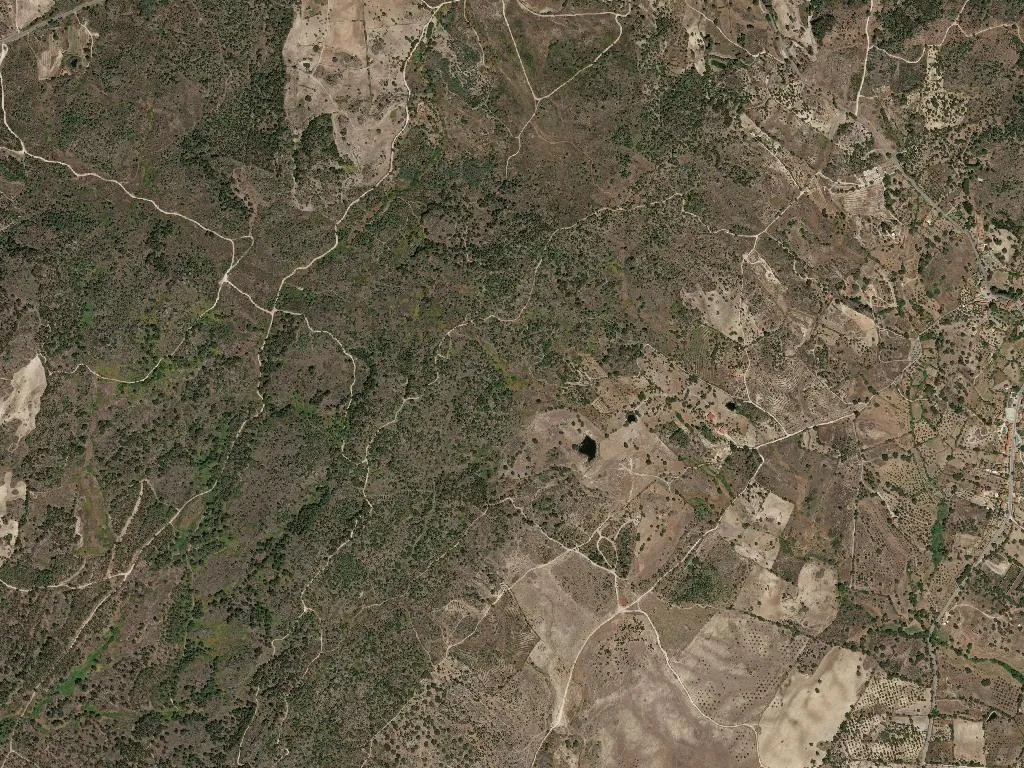
The bell from Águas arrives before anything else, carried on a wind that scours the ridge. At 920 m above sea level, the three-in-one parish of Aldeia do Bispo, Águas and Aldeia de João Pires is less a place than a listening exercise: a dog you never see, the slow creak of the cistern hatch on Rua da Fonte, the way afternoon shadows coil around schist walls as early as four o’clock in January. Officially 882 souls live here; unofficially, silence itself is the extra resident.
What the names remember
Aldeia do Bispo never bothered with a bishop’s statue. Instead, locals still say “up at the bishop’s farm” when they mean the thistle-covered knoll north of the village, a linguistic relic of tithes collected until 1834. Águas, once Águas Altes, owes its label to the springs that bubble up a few metres below the surface, yet women still scrub laundry at the communal tank even though automatic machines reached the parish years ago. Aldeia de João Pires honours a 17th-century shepherd who donated land for the chapel of São Sebastião; the ironwork on the side door still carries the donor’s hurriedly chiselled initials, J.P., made by a passing Galician blacksmith.
Malcata on the horizon
Pasture ends where the Serra da Malcata begins. You cannot enter the nature reserve from here – the official gates lie further north – but its presence is olfactory: rock-rose on the wind, rosemary honey sold in Penamacor’s Saturday market, wolf tracks laid in January mud, straight as a plumb-line beside the erratic zig-zag of hunting dogs.
What is eaten (and when)
Olive oil comes from frost-resistant galega trees; the cooperative press in Penamacor still runs the fruit of three or four growers who refused to let groves revert to scrub. Kid goat appears only on feast days, roasted in a clay pot with white wine and sweet paprika, the dish grandfather remembers as cabrito à moda da Beira. In June, during the Santos festivals, the bakery courtyard turns into an impromptu grill: sardines, corn-and-rye broa baked in Águas’s communal wood oven stoked for four hours with strawberry-tree logs. No menus, no split bills: you pay what you think fair and leave with a hand-corked bottle of Mr Eduardo’s “cellar” red, filled after sunset on a Monday.
Night protocol
By nine the streets are lamp-black. The café shutter clatters shut; the village treasurer’s dog stretches across the tarmac and becomes a speed bump. Inside, cork oak logs crackle in the hearth – someone hauled them down from the ridge last winter. The bell counts nine, a slow farewell. If the moon is up, chimneys release thin cords of smoke like candles on a dark map. You stand between the smell of fire and tallow, uncertain whether the hush is comfort or caveat.