Full article about Aranhas: where Roman tiles outnumber villagers
Silent schist lanes, goat slow-grilled over olive wood, wolf prints in Malcata dust
Hide article Read full article
Stones that gossip in Latin beneath the hush
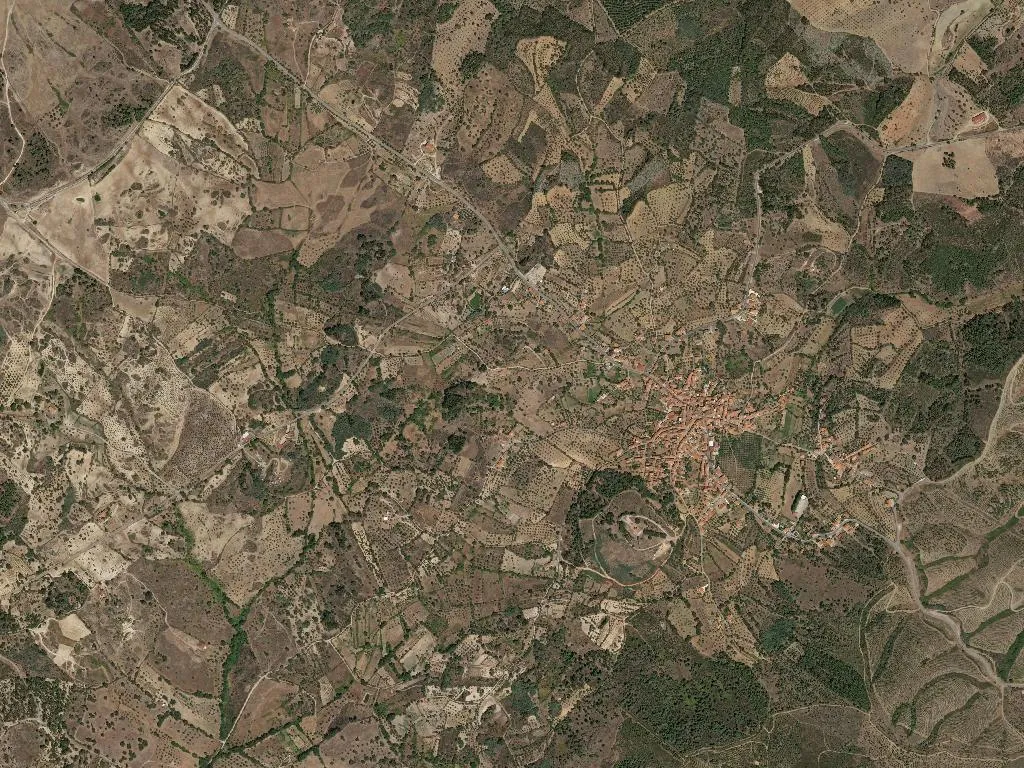
Afternoon light skids across the schist as if late for coffee, lodging in your retina and the tread of your trainers. Fewer than 400 people still answer the roll-call in Aranhas, yet one creaking door is enough to confirm they’re home—320 according to the last census, in reality only those still bothering to bolt the gate at dusk.
The lane that delivers you is the same the legions used; it has merely widened its bends. On the left, the granite outcrop nicknamed Arrochela has yielded Roman roof tiles like discarded sandals. As for the village’s name, no one can parse it: some blame the old looms that once clacked here, others swear Latin itself tripped on local tongues. The mystery slips down easily with a mouthful of new-crop olive oil.
Oil that needs no introduction, kid that introduces itself
There is no menu; you ask the next table. The oil—Galega and Cordilheira, pressed while you can still feel human warmth on the stone—puddles off the bread and rinses the plate before dessert. The kid goat is Beira-bred, reared on scrub and excuses, then grilled so slowly it never notices its own demise. Bring an empty bottle to the community mill and they’ll fill it for the price of a Lisbon espresso, throwing in a crust to test the pour.
Malcata within arm’s reach—and a foot
The Serra da Malcata begins where the last cottage ends. Pick up the waymarked trail, pack water: the only bar is the sky. Up top, Iberian wolves register in dust like guests signing a leather-bound ledger. No guide required—follow the resinous esteva and the surprise of your own laugh when the screen flashes “no service”. Tip: take a packed lunch; the view alone feeds you three times over.
How to arrive—and why you should
Come via Penamacor, turn onto the N233 and watch for the hand-painted plank: “Aranhas 4 km”. It is exactly four, but the road remembers every stone it ever wore, so dawdle. Forget souvenir shops; buy a paper bag of bread and beg a fill-up of oil. At dusk climb the church steps. From the belfry the village looks a slate skiff moored in darkness. Descend gently: the stones hoard the day’s heat like family secrets.
You leave with dust on your shoes and the certainty that, if you return, the same hinge will still complain.