Full article about Pedrógão & Bemposta: Granite Echoes on Portugal’s Edge
Silent schist lanes, olive-oil stone mills and lynx-shadowed sierras in Penamacor’s forgotten border
Hide article Read full article
Granite Where You Least Expect It
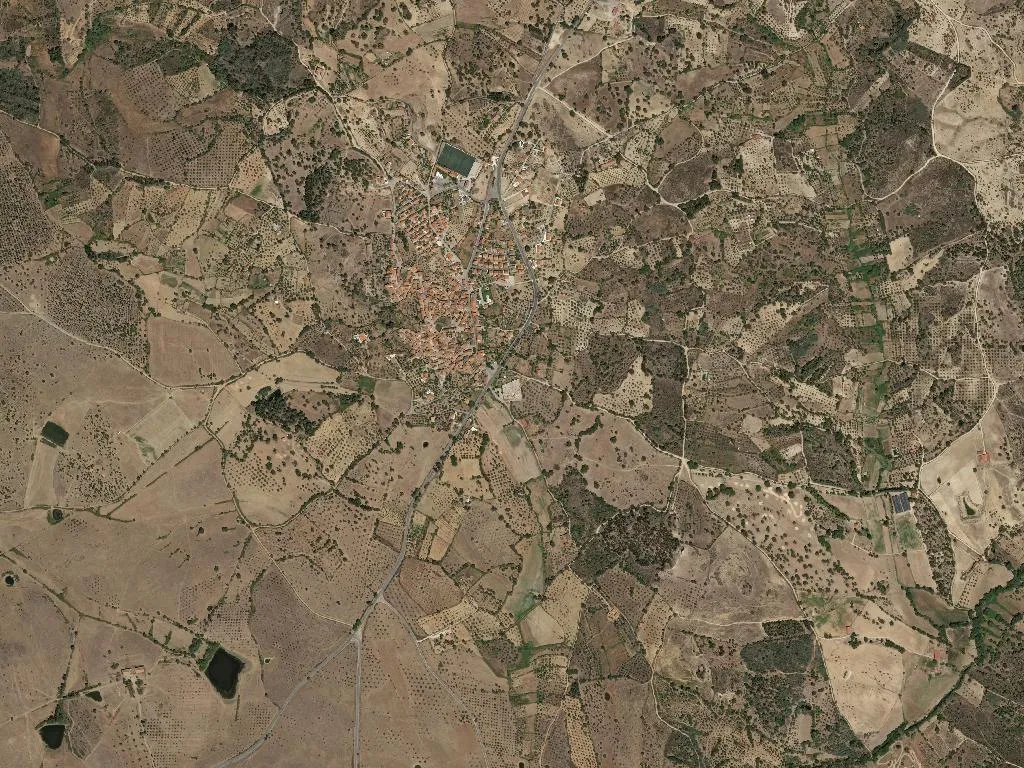
Stone walls that lead nowhere still stand, simply to prove somebody once had the patience to fit the pieces. In the granite troughs the mountain water arrives so cold it raises goose-bumps, even in August. Pedrógão de São Pedro and Bemposta are two hamlets that merged to avoid dying alone, scattered across a tract of land no one has accurately measured because here the border between one plot and the next is like a family feud—nobody remembers where it started.
The road approaches like a drunk between olive trees that look as ancient as the Returning Sailor in Camões—each trunk scarred and knotted. Their fruit ends up labelled DOP in Lisbon delicatessens, but the point is that Zé’s mill below the village still presses oil the way his grandmother did: a limestone block that weighs on the conscience and a mist of pomace that clings to clothes for days.
Border Country
The Malcata Reserve is next door, yet don’t imagine picnic tables. This is serious sierra where the Iberian lynx may or may not be watching, dogs go missing and, occasionally, so do shepherds. Footwear matters on these paths—flip-flops will earn you a fast education—and carry water because there is no café, no vending machine, no phone signal. Silence pools so deep you can hear your own thoughts creak. The loudest sound is the protest of cartilage in walkers who descend too quickly.
Of the 572 residents, more than half collect a state pension. They know which patch of soil grows the best lupin beans, what time the church bell rings for mass, and they guard recipes for kid goat as if they were state secrets. Thirty-four children remain—enough for a football team with substitutes—who career across the cobbles as though time were an abstraction that will never knock on their doors.
Stone and Memory
A few boulders have achieved monument status, though nobody can agree whether they once formed a chapel, a wayside cross or public baths. They simply stand, reminding passers-by that people once built things to last. Wine now arrives in plastic containers that neither shatter nor evoke nostalgia. A handful of terraces still produce grapes, but the harvest is for the table, not for neighbours—what neighbours?
There are nine places to stay. Nine. Do not expect 600-thread-count sheets or televisions tuned to channels no one watches. The luxury is to wake up unsure of exactly where you are, only that you are a long way from anywhere. There are no selfie-signs, no viewing platform with safety rails. If you want the view, climb the boulder the way you once shinned up a plane tree. The beauty is there, but it will not come courting—wear shoes that grip.
Alfredo’s smokehouse still works, curing chouriço more slowly than children demand inheritances. Outside, when it rains—and it does not rain often—the smell of wet schist is the embrace of an old friend who arrives late but is instantly recognised. Nothing here is taken personally, yet nothing is taken lightly—rather like a proper dinner: it demands time, patience and the will to stay until the last glass is empty.