Full article about Cork Capital Proença-a-Nova: Bark, Boulders & Bread Blessing
Proença-a-Nova e Peral blends cork-oak scent, 1755 schist bridge, river-beach boulders and January bread-blessing in Portugal’s lower Beiras.
Hide article Read full article
Cork dust in the lungs
The scent of fresh cork linges long after the lathes fall silent. In Proença-a-Nova’s lanes, planks the colour of burnt sugar lean against sun-warmed walls, ticking as they shed moisture. From a back-garden workshop comes the steel-on-wood rasp of a draw-knife slicing bark from a trunk that grew for twenty-five years. Evening light strikes Manuel I’s 1512 pillory, its twisted rope-moulding throwing barley-sugar shadows across the cobbles. At 357 m above sea-level, this is the self-declared “Cork Capital” of Portugal’s lower Beiras, once home to more than twenty processing plants and still unable to escape the smell of its own livelihood.
Two parishes, one stone seam
Administrative reform fused Proença-a-Nova with the smaller settlement of Peral, whose name remembers pear orchards long replaced by holm oak. The joint parish now numbers 4,498 souls. Inside the eighteenth-century mother church, gilt angels reflect candle-flame onto rose-pink walls; next door, the tiny Chapel of St Sebastian hosts January’s bread-blessing, a ceremony older than the surrounding chestnut beams. Cross the single-arch Ponte da Ribeira Grande, built in 1755 from schist blocks that once echoed with French-dragon boots and, later, Liberal cannon wheels.
North of the bridge, the abandoned Peral paper mill still clutches the weir that fed one of Portugal’s earliest continuous hydraulic turbines. Its roofless sheds stand like dark brackets among smallholdings where morning coffee is taken with debates about Sporting vs. Benfica rather than wages.
Between rock and river
The parish lies inside the Naturtejo Geopark, where crumpled Ordovician schist forms ramparts above the Ribeira Grande. Cork oak forests quilt the slopes; the Ocreza river coils to São Miguel river-beach, whose boulders are slippery even in August. Bring old flip-flops and pitch left of the big boulder – shade arrives by four. The Xisto (Schist) Trail stitches together near-empty hamlets and wind-clacked mills scent-tracked with rosemary, rockrose and thyme. Meet Sr Alberto, staff in hand; ask after the aunt who left for Lyon and he will direct you to the sweetest wild medlars.
South-east, the São Pedro ridge gives hawk-eye views of the Tagus basin. The air is thin enough to carry boot-steps and the odd eagle whistle; take a fleece even in July – Atlantic weather sneaks over the plateau.
What the Beira puts on the table
Protected-origin kid is roasted over laurel and served with rice studded by winter-greens, a dish that demands the same patience locals apply to municipal politics in the Café Central. At O Brasão, lamb stew murmurs for three hours while chanfana (goat braised in red wine and black pottery) collapses at the touch. Migas – breadcrumb mash fried with crackling – come sided by Beira Baixa olives, cured in brine or pressed into thick, hay-coloured oil. Book the window table on Friday night: you will clock every arriving Fiat and overhear who is no longer speaking to whom.
During the September São Mateus fair, the market hall fills with convent sweets: pão de rala (egg-yolk marzipan), toucinho pastries, clay-pot tigeladas. Moonshine medronho passes from glass to glass; refusing it is tantamount to insulting a mother-in-law’s cooking – thinkable, unsayable.
Faith, farce and factory whistles
In Peral, the August procession of Nossa Senhora da Confiança climbs through sung litany and firecracker cordite. Assumption Day turns the main square into a striped marquee where neighbouring villages compete in choreographed parades – the next-door hamlet always wins, graciously. Pre-Lenten Entrudo brings tin-masked caretos rattling bells in satirical dances; hold small children tight – the costumes are harmless, the fright gratis.
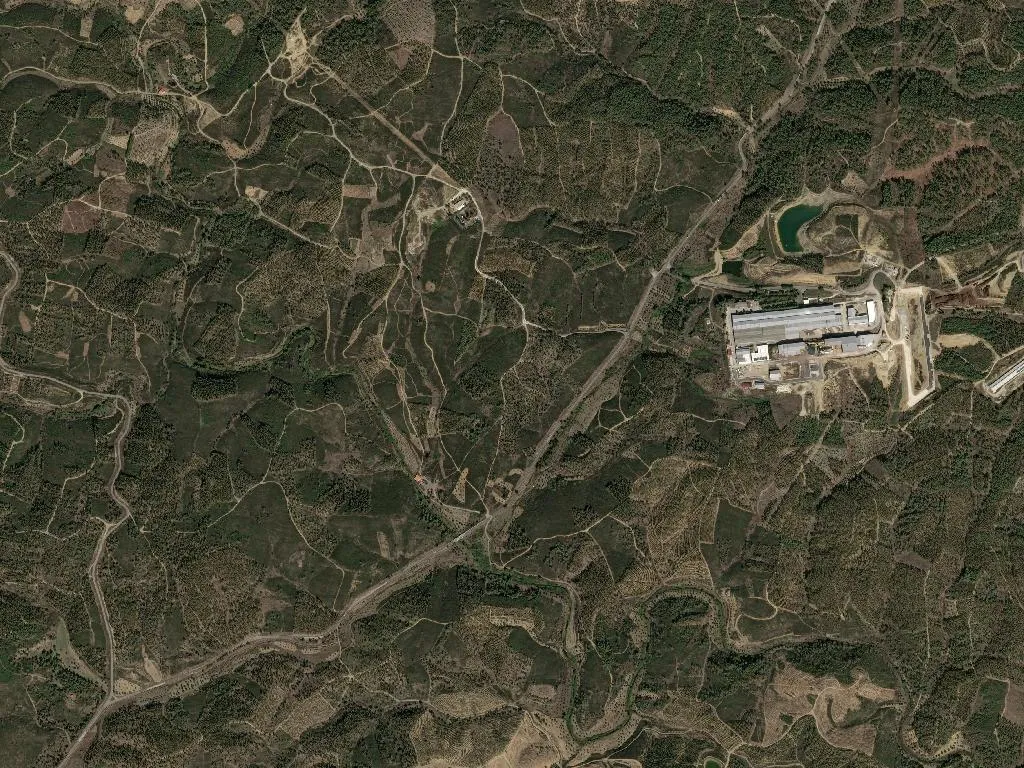
The tourist office doubles as a cork-design boutique (hand-stitched handbags, felt-like hats) while the Geopark centre lets visitors finger 400-million-year-old fossils. A working factory along the Cork Route still grades bark by eye; ask to see the sorting room where Dona Idalina, forty years at the conveyor, will whisper that no machine will ever match her thumbnail test.
Dusk fires the schist crimson; the last cicada saws off. When the final cork slab is stacked, the town exhales a smell of resin and damp earth that clings to cotton and memory alike, returning unbidden – like the politics in the café – each time you close your eyes.