Full article about Ermida & Figueiredo: Smoke & Silence Above the Zêzere
Olive terraces, chestnut lanes and maranho smoke in a Sertã hideaway
Hide article Read full article
The Weight of Silence at 650 Metres
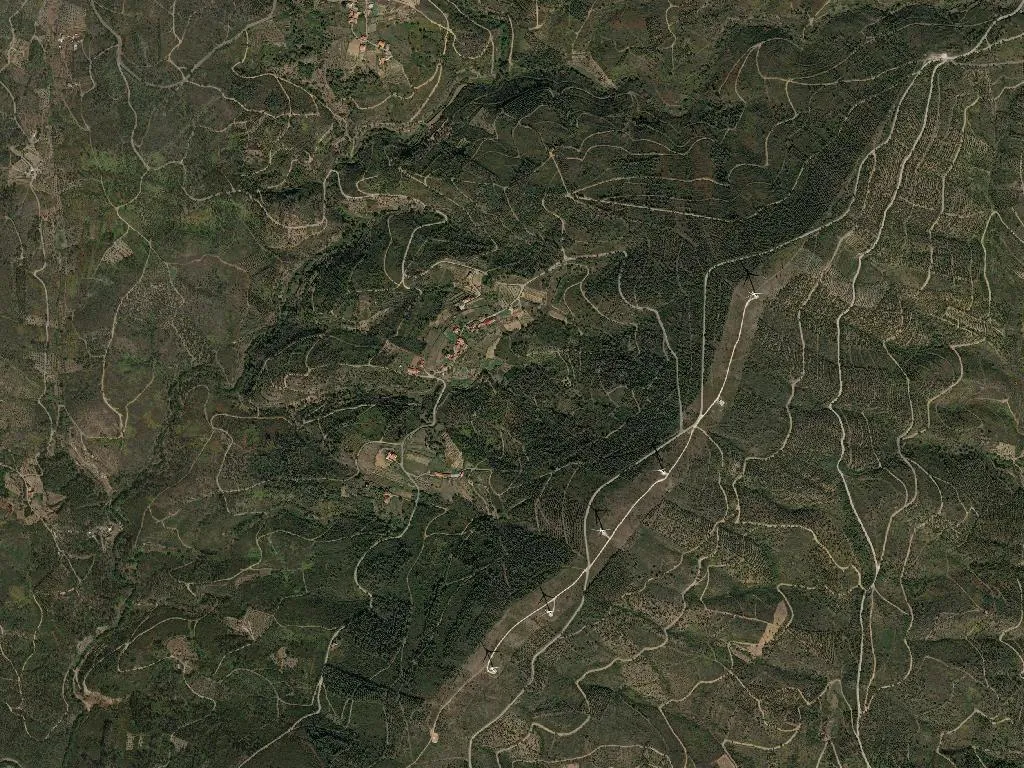
At dawn the air carries the scent of smouldering oak from granite hearths, and the slopes above the Zêzere valley hold their breath. Less than eight souls per square kilometre live across these 42 km² of olive-scarred terraces and chestnut-shadowed lanes—338 in total, 184 of them past retirement age, only sixteen still at primary school. Walk for an hour and the loudest presence is the bell of Igreja da Ermida tolling the quarter-hour into the broom-covered hillsides.
Olive Oil with a Mountain Postcode
South-facing gradients store the sun’s heat by day and release it at night, giving olives the wide diurnal swing that Beira Interior demands for its DOP seal. Trees here are mostly Galega, a late-ripening cultivar that tolerates November frosts and produces oil tasting of raw almond and bruised grass. Locals trickle it, still cloudy, over slices of warm corn-and-rye broa, the winter breakfast that powers pruning shears and chain saws until the light fades.
Smoke, Kid and Offal: the Sertã Trinity
The district’s signature dish is maranho—goat’s stomach stuffed with kid, rice and smoked sausage, simmered while the morning’s slaughter is still steaming into cold air. Cabrito da Beira, free-grazed on gorse and heather, emerges from wood-fired ovens with glass-crisp skin and fibres that hold their juices like rare beef. From kitchen rafters, oak smoke tans linguiça and morcela for weeks; bucho, a Christmas pudding of pig’s blood and rye flour, is sliced only for saints’ days and weddings.
Stone, Water and a Yellow Arrow
The Caminho Interior da Via Lusitana, a lesser-spotted branch of the Portuguese Santiago network, crosses the parish on its way from Tomar to Coimbra. Yellow arrows are daubed on schist walls, guiding walkers past plunge-pools where water stays January-cold even in August. There is no albergue, only Casa do Miradouro, a single guest room above Figueiredo where pilgrims break the 18 km climb to the medieval bridge at Alfaiates. Beside the abandoned primary school, an eighteenth-century stone cross marks the spot where travellers once knelt before the final pull to Ermida’s ridge.
By late afternoon smoke rises vertically; the sun drops behind the Serra da Lousã and every kilometre between villages turns to blackout. A handful of yellow windows prick the granite darkness like low stars, steady enough to steer by, far enough apart to remind you how loudly silence can weigh.