Full article about Chestnut Mills & Caretos: Cepos e Teixeira’s Living Past
Feel Arganil’s Cepos e Teixeira: smoky goat stew, cardoon-curdled Serra da Estrela cheese, baroque chapels, mills still grinding.
Hide article Read full article
The Wheel That Keeps Time in Cepos e Teixeira
The water wheel complains like an arthritic knee at dawn. Not a mechanical whirr but seasoned chestnut groaning against its axle, each turn a reminder that nothing here is in a hurry. Along Ribeira de Fajão five mills wake in pecking order of age; the eldest casts first shadow, the youngest still learning the dialect of stone and grain. Inside number three, Zé Alberto lifts the sluice gate – flour drifts down in a soft January snow, warm from the quarrel between millstone and wheat. At 662 m above sea level, bread is still made the way it was before anyone could spell boulangerie.
Schist, shepherd tracks and baroque afterthoughts
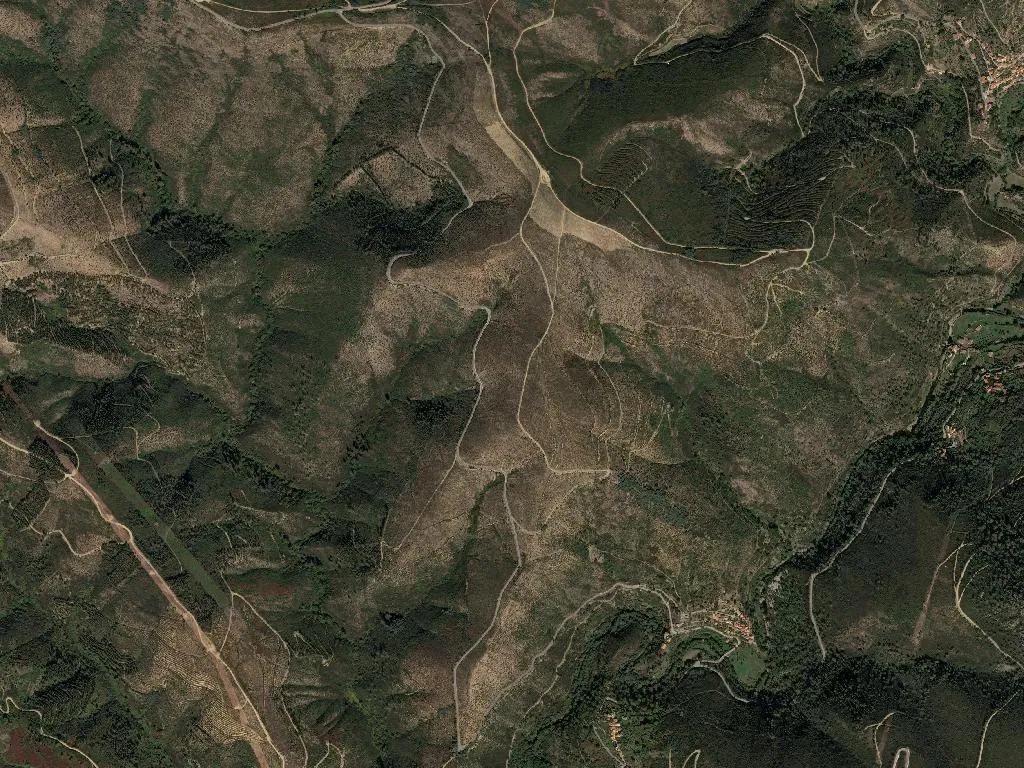
The civil parish of Cepos e Teixeira is what cartographers leave behind when the ink runs out: 198 residents ribboned across valleys so dark with schist they look scorched. Cepos takes its name from hollowed tree trunks once rented out as beehives; Teixeira either honours the village tiler or a Latin root, depending on how many beers the storyteller has invested. The 1758 parish records list shepherds “counting sheep and losing count”, a habit unchanged. Serra da Estrela DOP cheese is still curdled with cardoon thistle in the same pine troughs, then smoked over gorse – because laundry here already smells of bonfire, so why not supper?
The main church took three centuries to decide it was Baroque, annexing azulejos each time a harvest was good and adding a gilt Saint Peter who scowls as if Mass began without him. In Teixeira, the single-nave chapel of São Sebastião shelters a cedar saint hauled from Santiago in 1620; pilgrims arrived on shank’s mare and splinters, hence the statue’s authentic jet-lag expression. On 20 January dogs, donkeys and tractors queue for blessing; on Carnival Sunday the Caretos rampage in woollen masks and cowbells, grandchildren of people who forgot the original grievance.
Old goat, clay pot, mountain quiet
Chanfanna divides the locals from the merely hungry: billy goat left to surrender in a clay pot with Dão wine until the meat turns midnight black. At O Milleiro, veal chop arrives kissed by cork-oak embers, with potatoes the cook calls “mal passadas” – half-done, like most election promises. Corn-and-rye broa snaps teeth that aren’t paying attention; a smoked ricotta hat on top is a calorific error everyone forgives. Finish with bolinhos de amor to hoodwink diabetes and sweet-potato pasties that lie brazenly to the bathroom scales.
Mill trail, blackbird solo
The seven-kilometre Mill Trail (PR3) can be walked in two hours or three beers, depending on your walking partner. Stone levadas still shuttle water faster than party manifestos; plunge pools remember the boys who cooled off after dodging national service. From Alto de São Pedro a battered telescope shows Lisbon expatriates what the capital withheld – the Mondego coiling below, Estrela massif rearing like a breached whale, the sudden proof that the world is oversized.
There are no traffic lights, no roundabouts, just one convex mirror on the Teixeira bend that has witnessed more collisions than the priest cares to count. At dusk, when Zé Alberto lowers the sluice, the valley is left with only the river’s whisper and the six o’clock bell – a sound that clings to schist the way old wallpaper clung to my mother’s kitchen wall.