Full article about Alva-side secrets of Vila Cova de Alva e Anseriz
Where a 1790 granite cross splits two councils and chanfana simmers in riverside smoke
Hide article Read full article
The River Speaks First
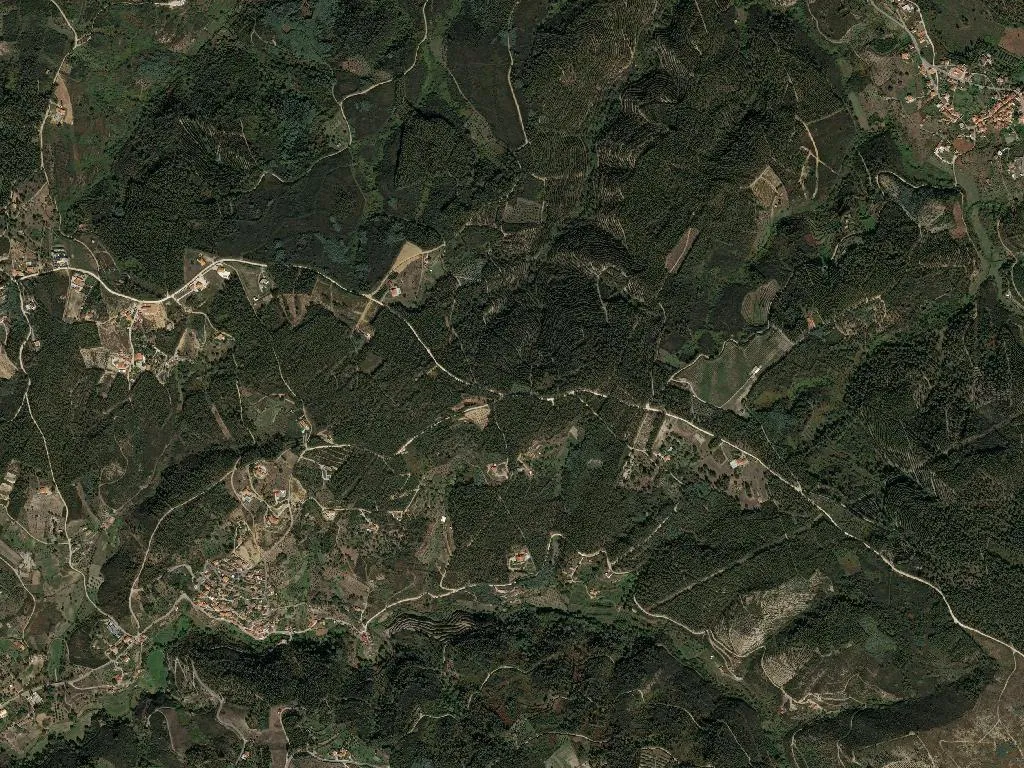
You hear the Alva before you see it — a low, constant conversation between water and schist. At seven o’clock, sunlight slices through slate roofs and catches the last threads of wood-smoke drifting from last night’s fire. Vila Cova de Alva wakes slowly: 535 souls, 454 m above the sea, one short main street.
Why it once ran the show
The village lost its town charter to Arganil in 1836, but it still keeps the symbols: a Manueline pillory carved in 1520 and the roofless walls of Santo António convent. On Rua Quinhentistas, 16th-century doorways are built for shorter people; you bow involuntarily to enter. The Misericórdia church unlocks at nine, locks again for lunch. Two cafés charge 65 cents for an espresso: Celestial on the corner, and Largo, where the regulars sit with their backs to the river.
The bridge that draws a border
Half-way across the single-arched span stands a granite cross dated 1790. One side is Arganil, the other Oliveira do Hospital. Families in Anseriz cross it to sign forms in two different town halls; on the Dia da Santa Cruz they garland the stone with wild margaridas. The Alva doesn’t connect the two banks; it adjudicates them.
What to eat and who to ask
Oliveira grocery (Rua Dr José Afonso) brings out its Serra da Estrela DOP cheese at 8.30 sharp; £12 a kilo, wrapped in waxed paper. At weekends, Restaurant O Moinho fires up a single pot of chanfana – goat slow-cooked in red wine; reserve on Saturday morning, €12 a portion. Apples labelled Beira Alta IGP tumble from orchard gates above the N342; pull in, leave €2 in the honesty box.
Paths without waymarks
No official trails, but a schist track climbs from the bridge to the whitewashed chapel of São Sebastião – 45 minutes up, 30 down. Carry water; there is no spring. The river-beach project is still “em breve”; locals swim in the pocetas, glacial pools 500 m downstream. Even in August the water knocks the breath out of you.
The church bell rings at 19.30. By eight the last espresso machine is unplugged. Without a booked room, you point the car towards Arganil – 12 km of single-lane tarmac, no streetlights, no bus.