Full article about Cadima: Where Portugal’s Olhos da Fervença Still Boil
Mist, myth and 60 l/s of crystalline spring water shape Cantanhede’s hidden highland parish.
Hide article Read full article
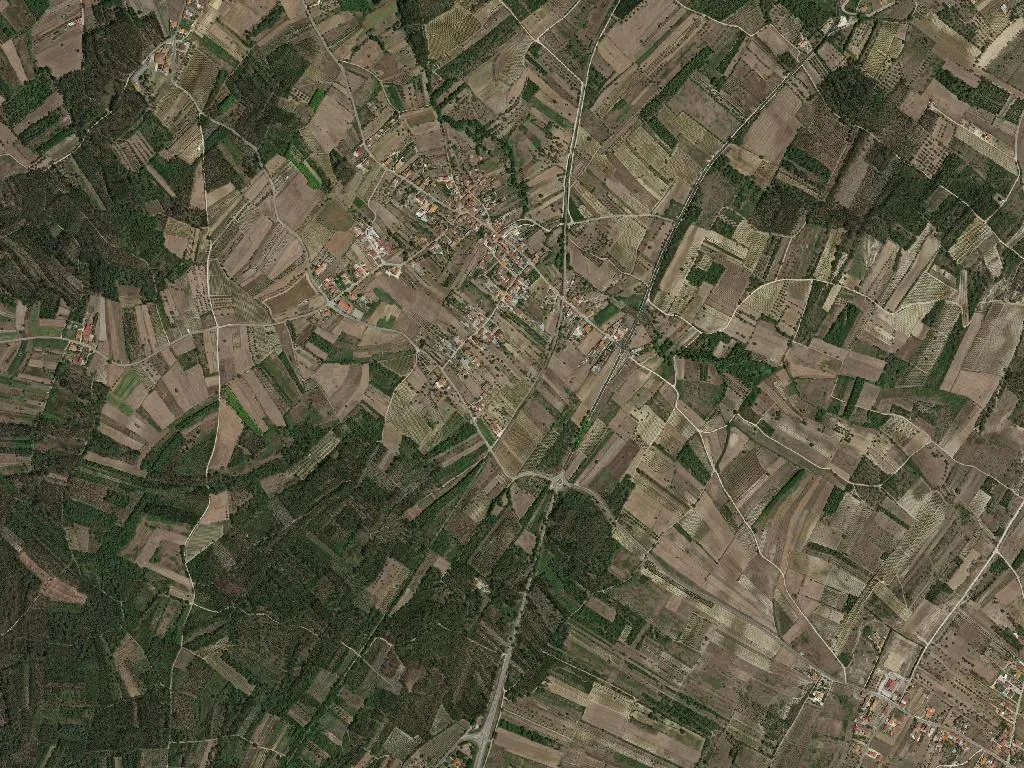
Cadima announces itself on your skin before your eyes. Dawn water rockets from the Olhos da Fervença – the “Eyes of Boiling” – and within minutes the entire parish is breathing mist: the irrigation runnels, the pine air, even the gossip. Pliny the Elder clocked the place two millennia ago and christened it Campus Catinensis, a name that smells of liniment and legionaries, but the spring still delivers 60 litres a second as though calendars were a passing fad. The soundtrack is a washing-machine stuck on rinse: shhh-shhh-shhh between olive terraces that look air-brushed onto the sandstone.
When Cadima Had a Beach
Until 1910 the parish boundary hit the Atlantic at Tocha. Locals swear their great-grandfathers crossed the dunes for a pre-lunch dip, towel over shoulder, salt still on their upper lip when they returned for coffee. A redrawing of municipal frontiers amputated the coastline, leaving Cadima land-locked with only its charter from Afonso Henriques and a twin-towered church for consolation. Inside, 16th-century sculptor João de Ruão papered the walls with gilt terracotta saints like golden Post-it notes. Round the back, a tiny chapel dedicated to St Amaro is known only to people who grew up in Quintã; Roman troughs still fill five-litre water bottles; and the Moreiras burial mound is Neighbourhood Watch for the after-life, pre-dating both cemetery and Facebook.
The Tap That Feeds Half the Council
Engineers, not poets, designed the Fervença system. Eighteen parishes – half the municipality – drink this water, which means your espresso in muddy Midsomer-Cantanhede is probably Cadima in disguise. In July the river beach becomes a linen-coloured amphitheatre of rugby towels and children who refuse to exit the water until threatened with boarding school. The Sunday after 15 August the village’s folklore troupe stages an arraial of competitive ballad-singing, accordion troupes and sardine smoke detectable in neighbouring São Gião. July belongs to Zambujal’s “Danças e Cantares”; September to Coutada’s grape mass and Olho’s resurrection of the Feira dos Treze, once a livestock-and-sickle supermarket, now filtered for Instagram.
Between Aljuriça and Guímera, retired watermills lean like old dockers remembering wheat and fist-fights. The “Lime Kilns & Mills” walking trail is the correct speed for listening to tectonic creaks underfoot. Behind, the São Gião ridge stands body-guard; climb it and Cadima unrolls below – a kilim of vineyards and terracotta pantiles sun-drying after last night’s rain.
What the Vine and the Gandra Give to Eat
Limestone-bred vines make wine you would never tip down the sink. Leitão da Bairrada arrives crackling-skinned and pink-fleshed, fragrant long before it reaches the table. Chanfana – goat casseroled in tar-black wine – could resuscitate a cadaver; sarrabulho looks like road-kill but tastes of bay, blood and order. Octopus à lagareiro bathes new potatoes in oil until they weep, while favas à gandaresa is stone-soup upgraded with winter cabbage. At home, corn-bread doubles as plate, napkin and pudding once smeared with butter. Confectionery keeps the liturgical calendar: sugared brioche at Easter, Christmas cornbread that could anchor a small boat, rice pudding every Sunday to bribe grandchildren. A thumb of bagaço firewater finishes the night hotter than any hearth.
2,644 Cadimenses occupy hamlets that feel left on the windowsill to cool – and that is praise. Low houses, doors the colour of Nazaré fishing boats to deflect envy, courtyards where basket-weaving counts as evening telly. The municipal coat of arms is refreshingly literal: pine, spring, millstone – everything required to survive a Sunday without Wi-Fi. When late light pools in the olive groves and the vines finally achieve gold, the trick is to perch on a wall, open a bottle of Bairrada, and let the water do the talking. Cadima never shouts; it murmurs. Those who listen tend to come back.