Full article about Dawn bread & chanfana smoke in Ourentã
Clay-pot goat, convent-egg sweets and backyard fizz in Cantanhede’s quiet parish
Hide article Read full article
Woodsmoke before six
The bread is still asleep when Albano nudges the salamander stove awake. By the time the dough rises, woodsmoke has already curled through the lanes of Ourentã, announcing that Fernanda’s rice is in the pot. She drove to the Mamarrosa cooperative for Carolino – “the butcher sells it too, but Mondego-grain keeps its nerve in the chanfana broth.” Between the slow fire and the wooden spoon the parish explains itself without speeches.
Vine rows and back gardens
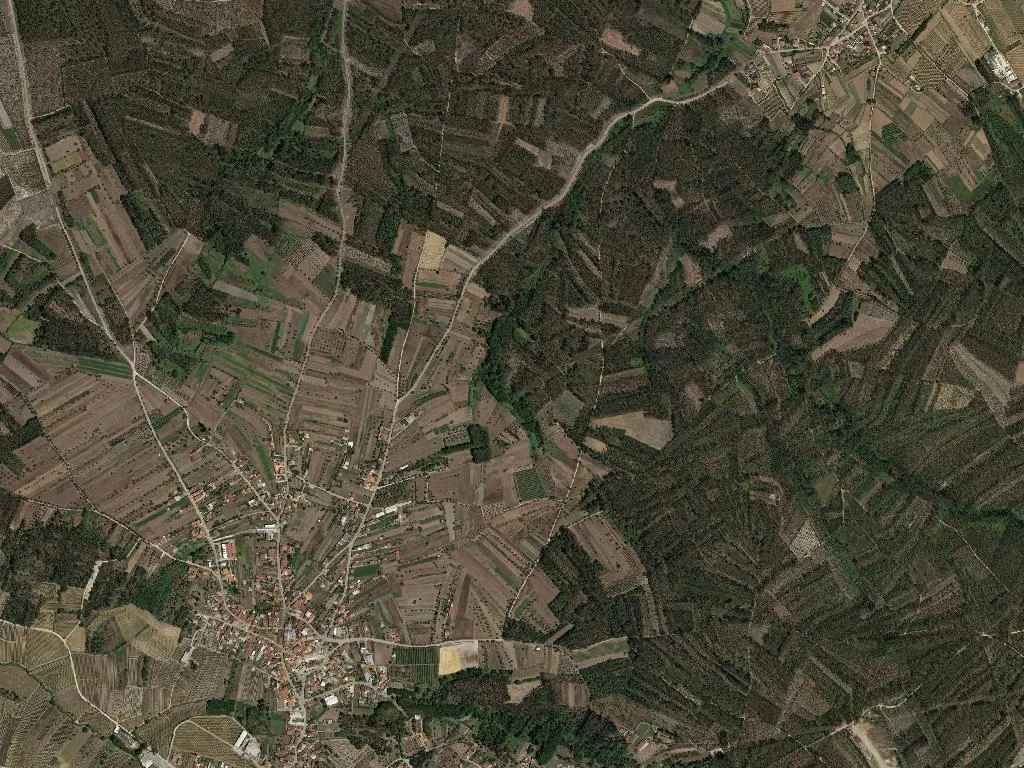
Spread across 1,836 low-rolling hectares, the land is measured here in quintais, not estates. Trincadeira vines sit so close to the tarmac they seem about to flag down a lift. In the Bairrada plots, sparkling wine is broached before pudding: a ’98 bottle that someone’s father labelled but never marketed, uncorked with the same nonchalance used for dislodging memories. Rice is not a souvenir; it is a 5 kg sack in the boot, Lourdes pressing another into your hand – “take one more, this year it tastes of rain.”
Convent eggs and cellar reds
The trick to trouxas de ovos is sugar by the pinch and no regard for clocks. The woman who learnt it from a nun now wears jeans, yet still scores pastry with the convent’s spoon. Chanfana spends four hours in a clay pot from Oliveira do Hospital, sliding into the oven after the ten-o’clock mass and emerging only when fado crackles from the kitchen radio. Blood pudding scented with arzinha – yes, spelled with a z – borrows its paprika from a brother who left for Fundão and never came back, though the spice parcels still arrive every December.
Demographics you can feel
Three hundred and sixty-nine elders, one hundred and seventeen children: the arithmetic echoes in the silence. The primary school closed its doors in 2015, yet the bakery opens at seven, where Zé Manel dispenses loaves and off-cut gossip. Empty houses do not shout; they wait – for rain through broken tiles or for August grandchildren. Craft itself never emigrated: if you arrive with a bottle of tinto, someone will still teach you to fold puff pastry by hand.
When the vineyard turns iron-oxide at dusk and chimney smoke climbs as though late were a foreign concept, Ourentã issues no invitations. Stay, and you will be handed a thimble of aguardiente “to cut the devil,” asked to lift a lid and inhale what the land yielded, then released before the next dawn brings the same woodsmoke, the same rice, the same story told again because the taste of habit is, here, a perfectly defensible luxury.