Full article about Sanguinheira: Rice Mirrors, Wine Cellars & Slow Afternoons
In Cantanhede’s Baixo Mondego floodplain, paddies and Bairrada cellars set the clock
Hide article Read full article
Rice, Wine and the Slow Tick of the Afternoon
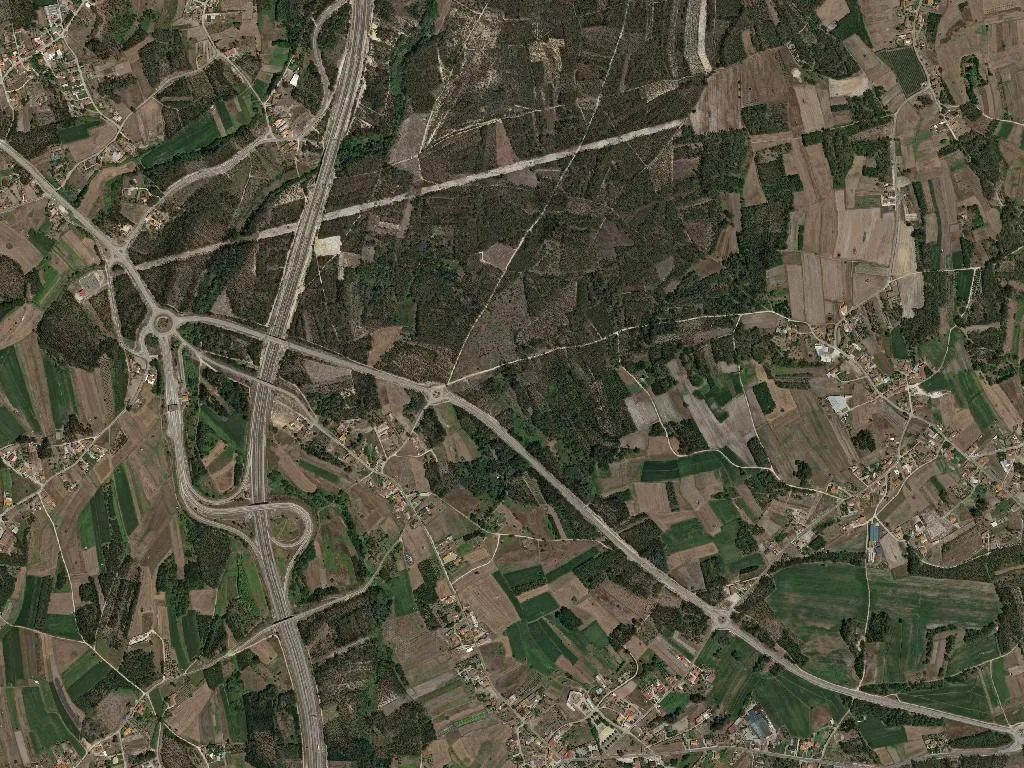
Low-angled morning light slides across the paddies, scoring the Baixo Mondego flood-plain into luminous rectangles of jade. In each flooded parcel the sky is multiplied, a mosaic of shifting mirrors broken only by the sudden lift of a heron. Sanguinheira, 57 m above sea level, sits inside this wide horizon where clay soil surrenders to water and to hands that still know the exact timetable of the Carolino rice cycle.
Rice Fields and Cellars
Identity here is binary: grain on the left, grape on the right. Carolino rice, guarded by a Protected Geographical Indication, ripples through summer like pale-gold corduroy before the August harvest. Ten kilometres west, in the Bairrada cellars, traditional-method espumante spends the requisite nine months on lees while steely Arinto and mineral Bical lie in stainless steel, waiting for the thermometer to hit 8 °C. The parish calendar is ruled by these two crops—flood, drain, pick, press—so reliably that the church clock is almost decorative.
Marinhoa beef, another DOP product, arrives at lunch as a slow-cooked stew or as arroz de marinhoa, the grains drinking in the mahogany juices and bay. These are field-hand portions, served in deep terracotta that still steams when parked in the centre of the table. A bottle of Bairrada tinto—bagalha or touriga—cuts through the fat, leaving a smear of tannin and black cherry on the tongue.
Convent Sweets and Firewater
When the plates are cleared, the conversation is extended with convent pastries. Pastéis de Águeda shatter into buttery shards, exhaling lemon zest and cinnamon; vivid yolk-heavy doces de ovo plead for a shot of medronho, the wild-strawberry brandy distilled in backyard alembics. One sip burns, then blooms, turning lunch into a three-act ritual rather than mere sustenance.
Daily Rhythm Between Paddies
Seventeen-hundred-and-fifty-three residents are scattered across 26 km²—about the density of an English market town with none of its infrastructure. The 186 under-25s travel to Cantanhede’s Augusto Cabrita secondary school in the morning; by afternoon some are back in waders, resetting irrigation sluices for their parents. The 480 over-65s remember seed broadcast by hand, weeding parties done on foot, sheaves stacked into stooks. Today the Cantanhede Agricultural Co-op’s green-and-yellow combines crawl across the rectangles of water, GPS-guided, yet the underlying logic—flood, wait, drain, reap—has not shifted.
There are only three places to stay: two remodelled village houses on Rua Principal and a pair of attic rooms above Casa da Eira. Guests tend to be en-route oenophiles who left the N234 between Mealhada and Cantanhede a little too late and decided to break the journey among vines and paddies rather than push on to Coimbra. No queues, no tours, no gift shop: just the sound of water slipping from one field to the next.
By late afternoon wood-smoke rises straight up in the still air. The scent of eucalyptus logs braids with the damp earth of drained fields now resting before the next inundation. Inside Café Central a bottle of Quinta do Encontro breathes on the counter, condensation sliding down the glass. Talk meanders—tractor prices, football, rainfall in April—until the distant cough of a John Deere announces Sr António’s return from the lower plots. The light flattens, the herons settle, and the plain waits for the next exact cycle.