Full article about São Caetano: Rice Mirrors & Cork-Sigh Wine
São Caetano in Cantanhede floods mirror-bright paddies for Carolino rice, pours garage-pressed Bairrada wine and grills butter-rich Marinhoa steak.
Hide article Read full article
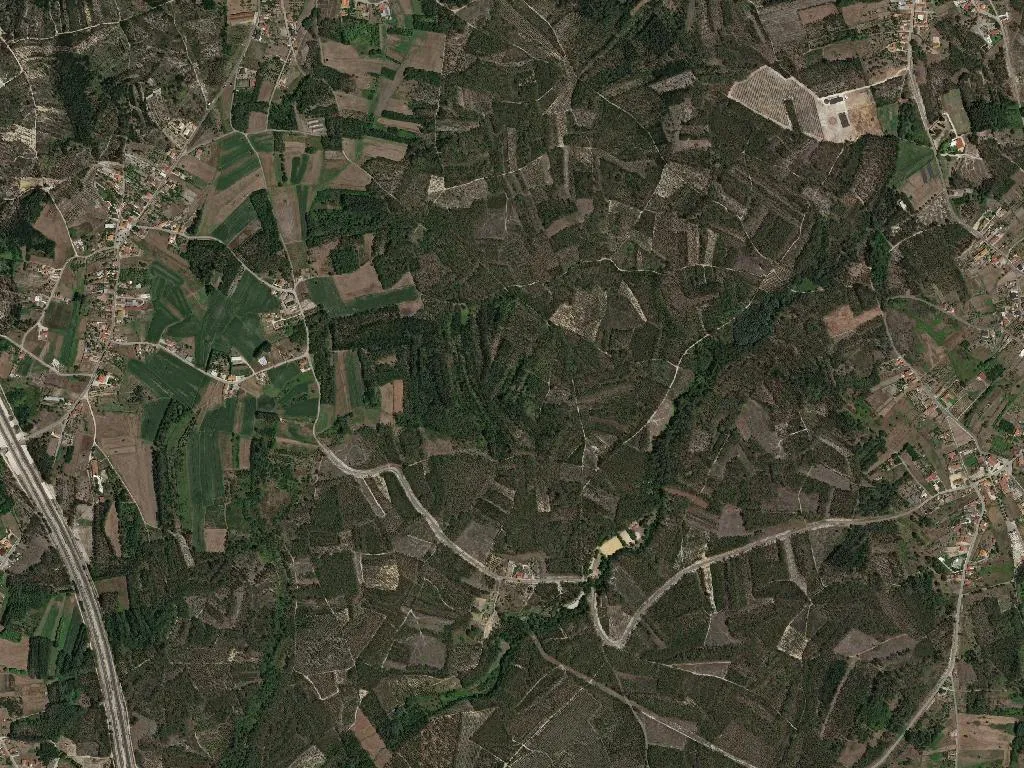
The paddies exhale. Around São Caetano, paper-thin water glazes the soil, reflecting a sky that has nowhere else to go. Carolino rice—short, plump, registered under the Baixo Mondego PGI—takes its time, sending down roots millimetre by millimetre while the afternoon light flares copper and the only sound is the wind combing through green blades.
This parish of Cantanhede district stretches across 1,903 hectares, 38 people per square kilometre, barely above sea level at 53 m. Rice and vines divide the year between them: February flooding, August draining, September grapes, October stalk fires. Tractors still crawl at the pace of a man with a newspaper, and the fields smell of wet straw and yeast drifting across from someone’s garage press.
Wine in one hand, beef in the other
Lunch happens at Café Central. If António is behind the counter, ask about the bottle his son disgorged last winter. He’ll duck downstairs, wipe the label on his apron and let the cork sigh into a glass. Bairrada isn’t a slogan here; it’s the prevailing wind, carrying the sour-bread scent of fermenting must from the cooperative in Paredes do Bairro.
The steak in your sandwich is Marinhoa beef, the breed you passed grazing beside the EN234, monochrome against autumn fog off the Mondego. The fat is veins of butter bred into the muscle by nothing more exotic than river-meadow grass and time.
Arithmetic of departure
Of 724 residents, 271 have pensions. Only 70 are under 14. The primary school has three composite classes; the bakery counter opens at seven, but no one queues at six any more. The sole registered lodging is a butter-yellow house whose green gate is padlocked ten months of the year while the owners work in Lisbon and fly back for two weeks in August to “breathe proper air”.
Still, knowledge circles back. Joaquim, 78, still drives the same Massey-Ferguson he bought second-hand in 1978 because he can judge water depth by tyre resistance. Rosa, arthritic and with a grand-daughter in Lyon, prunes her father’s Baga vines because “these fingers know the difference between a spur and a sucker”. The forecast is read in the colour of pond algae, not in apps.
A geography that refuses to pose
There are no viewpoints, no captions. São Caetano reveals itself like a relative who only becomes interesting after the second glass: gradually, in anecdotes. Walk the dirt lane that stitches the parish to Paredes do Bairro. Winter mud will confiscate your trainers; summer dust will bleach them. A stork balances on a telegraph pole, wings half-open like an overcoat. Somewhere beyond the eucalyptus the Mondego mutters, unseen but constant.
Dusk turns the paddies the colour of burnt sugar and you understand why emigrants still book flights for weddings and funerals. The place fits like the mis-shapen pullover you cannot throw away—unphotogenic, indispensable. When the sky switches off and the only sounds are an over-achieving cricket and Carmindo’s dog announcing the moon, São Caetano measures life in ladles of rice, in bottles corked and laid down, in stories that need another pour of sparkling Bairrada before they’re complete.