Full article about Tocha: where rice paddies perfume the air at eleven
Cantanhede’s quiet hill-village trades in Carne Marinhoa, Carolino rice and Bairrada sparkle
Hide article Read full article
The scent of lunch settles early
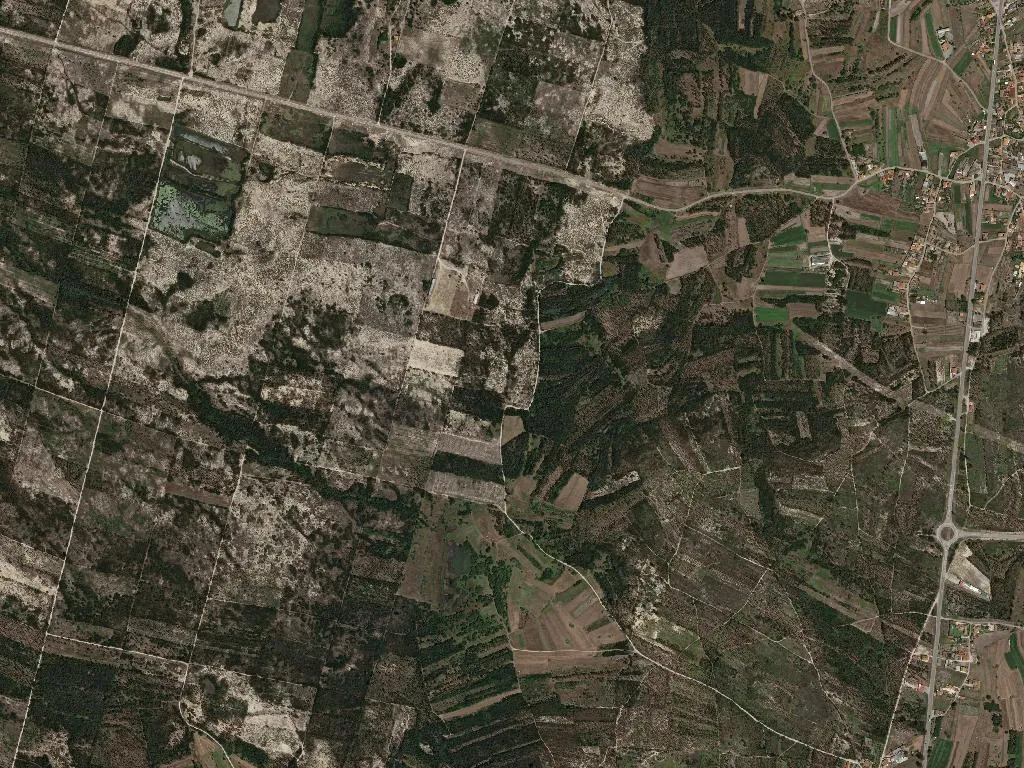
By eleven the air is already thick with sofrito: onion, garlic and tomato drifting from kitchen windows, braiding with the smell of damp topsoil from the surrounding paddies. Tocha perches just 46 metres above sea-level on a low swell of land between the fertile Mondego flood-plain and the first ripples of the Bairrada hills. The Romans simply called the place Tocca – “knoll” – and the name stuck, a concise topographical footnote to a landscape that has been watched, planted and traded since at least 1348, the year the crown raised it to parish status.
A hill of grain and barter
Medieval charters soon labelled Tocha an agricultural marketplace. Fourteenth-century rolls record muddy ox-tracks converging on a single dusty square where linen was swapped for chickens and a cup of rough wine sweetened the haggle. By the 1800s the fair had grown serious: wheat, maize, beef and the first properly bottled Bairrada were weighed, counted and loaded onto carts bound for Coimbra and the coast. The parish still covers 7,800 ha, yet only 3,707 souls remain – 47 per km², space enough to swing a cat without bruising a neighbour.
Rice, beef and bubbles
Arroz carolino, the plump, short-grain variety that spends summer knee-deep in Mondego water, is never a side dish here. It arrives centre-plate, butter-yellow and stubbornly al dente, framed by chunks of Carne Marinhoa – rose-veined beef from cattle that grazed the same paddocks. Four hours of lazy simmering collapses the meat into fibres you can sip. A brisk Bairrada espumante, poured cold, slices straight through the richness. Nothing on the table has travelled more than a tractor’s trundle; the only imported ingredient is time.
Landscape with breathing room
The 2021 census reads like a haiku on ageing: 410 under-30s, 1,104 over-65s. Still, 78 km² of field, wood and sky gives silence room to roam. Ten low-slung holiday cottages have appeared among the eucalyptus, booked by refugees from the Atlantic surf camps. The single listed monument – the sixteenth-century Igreja Paroquial – doubles as a compass for walkers who lose themselves between rice shoots in spring, golden barley in July and the chocolate furrows of autumn ploughing. When the wind drops you can hear its bell cross the plain, a soft metronome reminding whoever listens that clocks here still pause for lunch.