Full article about Alqueidão’s Wind-Carved Cliffs & Marinhoa Steaks
Taste long-matured beef, hike 30-million-year Mondego cliffs and sip coffee from a wind-ruled van
Hide article Read full article
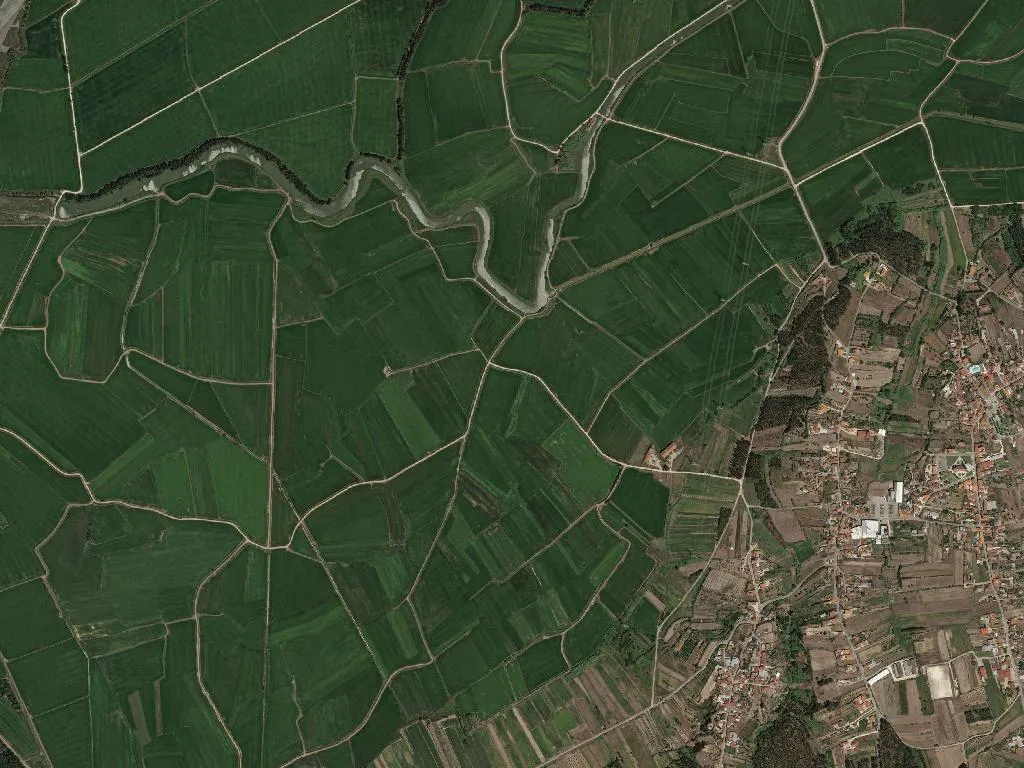
The wind announces itself before anything else, flattening the pines that fringe the N109 and rattling the low stone walls of Alqueidão’s scattered hamlets. One-thousand-four-hundred-and-eighty-five residents live in pockets that sat-navs still mis-place—Alqueidão de Cima, Alqueidão de Baixo, Pero Negro, Vale de Vaz—where houses hunker down, windows shrunk against December’s horizontal blast.
Cape of Stone
Eight minutes west, Cabo Mondego rears up like a broken tooth. Park beside the lighthouse (free, no barrier) but take a jacket: the Atlantic here has claws. The cliffs are 30 million years old and shed limestone slabs onto the narrow shingle beach below; Coimbra geologists measure the retreat at 20 cm a year. A signed trail drops to the cove in twenty calf-burning minutes; allow thirty to climb back. No kiosk, no fountain—carry water.
Where to Eat
A white van sometimes idles at the cape roundabout selling instant coffee and toasted sandwiches; its opening hours are wind-dependent. In the parish itself, Restaurante Oceano will fire up the wood grill for Saturday lunch, but you must book (233 940 202). The star is Carne Marinhoa, long-matured cow from the pastures around Verride, 20 km inland. Order by the kilo (€28), enough for three trenchermen.
Pilgrim Footprints
The Portuguese Coastal Camino slips into Alqueidão past the cemetery, then cuts 6 km across burnt-sugar farmland to Buarcos, the sea always on your left. No shade, no fountain, no discreet hedge—summer hikers should budget two litres of water apiece.
Beaches
Praia do Cabo Mondego: 300 m of biscuit-coloured sand reached via 200 steps. Rips are vicious; lifeguards appear only in July and August. For espresso and a shower, drive five minutes north to Buarcos (€1/hour parking).
When to Come
May–June: fierce northerlies but daylight till nearly 21:00. July–August: dawn fog that peels back to reveal blistering sun. September: warmer water, half the crowd. Winter: 5 mm wetsuit territory for surfers who like their waves angry and uncrowded.
Getting Here
Leave the A13 at Figueira da Foz, follow the N109 north for 12 km. Rede Expressos coaches serve Figueira; a taxi to Alqueidão costs around €20. There is no public transport into the parish.
Dusk throws rust-red light across the cape; the wind never clocks off. Drivers stamp the accelerator inland, walkers pull hoods tight and push on. Alqueidão offers no gift shops, no selfie pier—just salt-stung air, stone that predates dinosaurs and the lowing of Marinhoa cattle. Bring what you need; the nearest shop is a fifteen-minute drive.