Full article about Bom Sucesso: Where Atlantic Cliffs Fade into Silent Pasture
Granite headlands, Maronesa cattle and a single café in Coimbra’s quietest coast
Hide article Read full article
Where the Atlantic Learns to Whisper
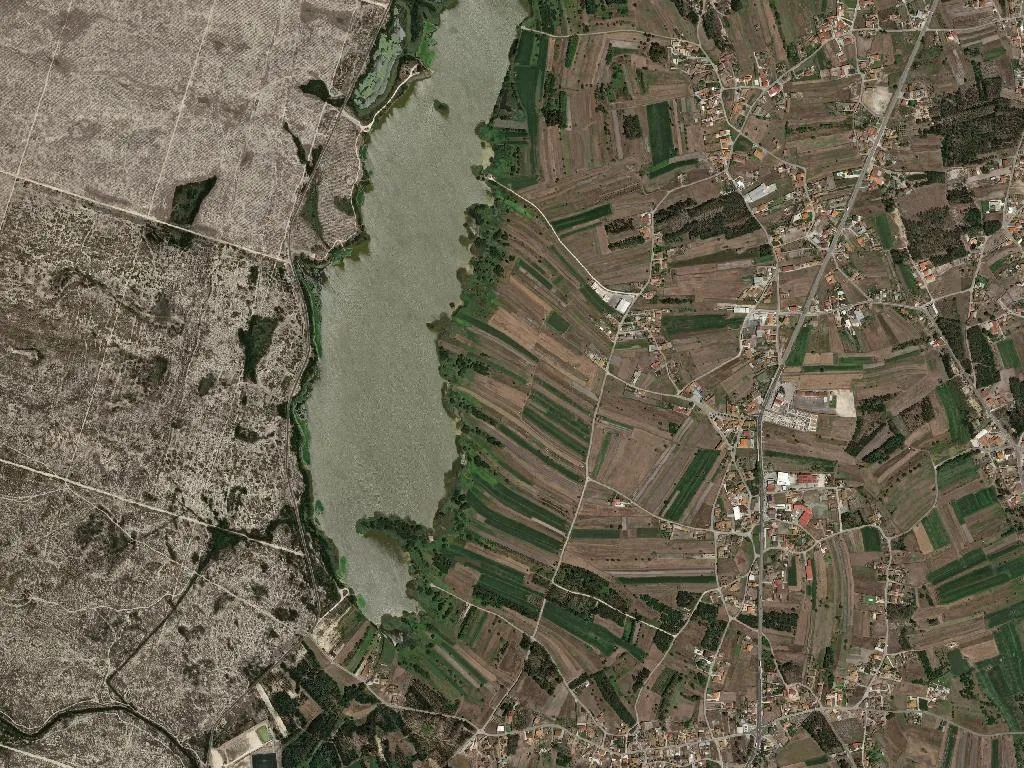
The same salt-laden wind that smacks the 30-metre Jurassic cliffs of Cabo Mondego flattens into a low sigh once it reaches Bom Sucesso. Suddenly it has 60 square kilometres of undulation to play with—open pasture, regimented stone-pine rows and the occasional red-tiled farmhouse that looks as if it were dropped from a Catherwood sketch. At 46 m above sea level, the parish counts 1,832 souls, a third of them past retirement age; silence, here, is demographic.
Granite, Salt and Deep Time
Cabo Mondego Natural Monument anchors the western edge. Its limestone strata pre-date the Reconquista, let alone Portugal, and the fossilised ripple marks are a favourite stop for geology field-trips from Coimbra University, 40 km inland. Bom Sucesso itself keeps the show low-key: no baroque convents, just hedged meadows where Maronesa cattle—chestnut-coloured, lyre-horned—graze slowly enough to earn their Carne Marinhoa DOP status. One registered guesthouse, a single café that opens when the owner’s radio says so, and the Portuguese Coastal Way of St James threading through: that is the extent of tourism infrastructure. The guidebook entry is the landscape.
Walking the Tarmac-to-Pine Transect
The way-marked Coastal Way enters from the dunes of Mira to the north and exits towards the Mondego estuary. A two-hour section inside the parish is enough to register the olfactory switch-back: iodine, warm resin, sun-hit broom, then iodine again. Tarmac lanes link hamlets whose names—Ameal, Carrascal, Vale de Juntas—read like a list of local herbs, but the dirt tracks heading west smell of hot sand and pine needles. Expect one pensioner on a Honda moped; otherwise the soundtrack is your own footfall.
Beef that Tastes of Place
Carne Marinhoa is the edible postcode. Animals graze year-round on indigenous grasses; ageing is a leisurely 21 days. You will not find it on a tasting menu—there are no tasting menus. Instead, knock at the parish social club on Friday lunchtime: for €9 you get a plate of braised brisket, chips fried in beef fat, and a glass of Bairrada red that costs less than the bottled water in Coimbra. Pudding is whatever the cook’s orchard delivered—quince, usually, set into a wobbling marmelada.
Dusk at Ground Level
The sun slips behind the pines without spectacle; the fields exhale a warm cereal breath and the Atlantic wind, finally exhausted, settles into the bracken. Photographs flatten the moment—there is no landmark, only texture. What registers is physiological: lungs tasting salt, boots crunching sandy topsoil, the sense that the map has quietly run out of names.