Full article about Ferreira-a-Nova: Where the Mondego Kisses the Atlantic
Salt-laced breeze, ox-cart lanes and slow-grown beef in the last ripple before the estuary
Hide article Read full article
Between the River and the Ocean
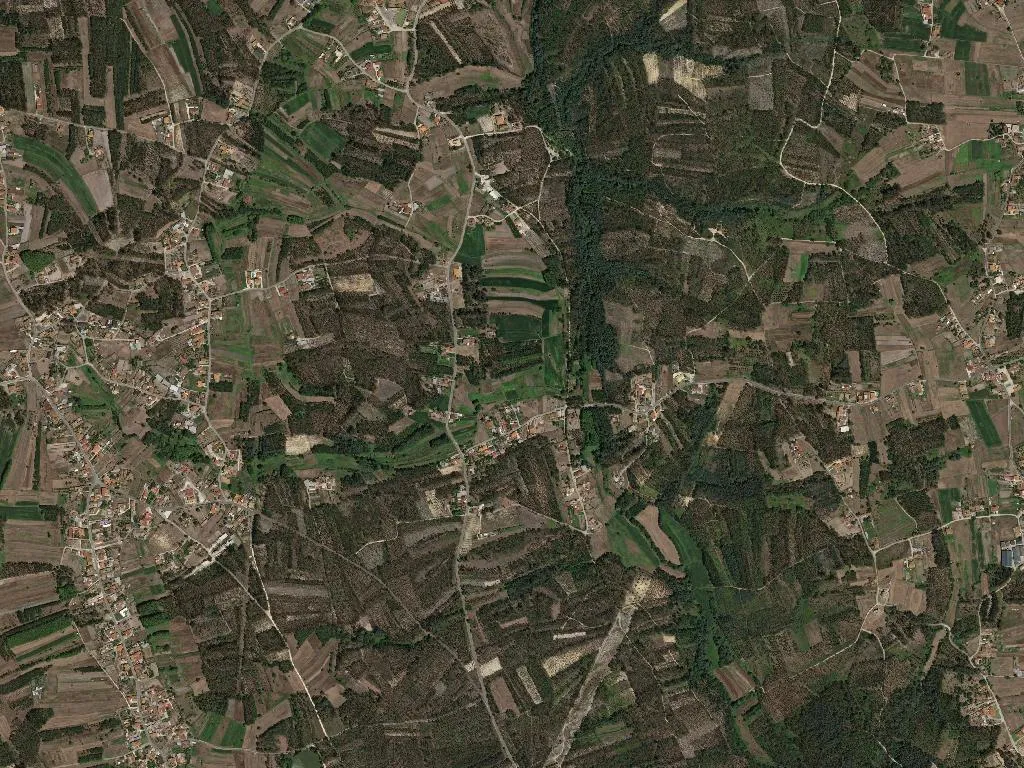
The lane drops through maize stalks and low orchards, morning light still raking the Mondego alluvium. A blue seam on the horizon is the Atlantic, close enough to taste. At barely 28 m above sea level, Ferreira-a-Nova is the last ripple of land before the river slackens into estuary. The breeze carries both salt and freshly-turned soil; pilgrims on the coastal Camino de Santiago pass in twos and threes, boots powdered with the same silt that once built Portugal’s rice baskets.
The parish spreads across 12 km² of Mondego-built terraces, enough loam to make a farmer blush. There is no cinematically crumbling hilltop village here—just scatterings of whitewashed houses, a church dated 1594, and roads that remember when ox-carts set the pace. The toponym distinguishes it from Ferreira-a-Velha three kilometres north, a medieval predecessor abandoned after a flood that taught locals rivers make unreliable neighbours.
Documents fix the first written mention to 1536, but parcel boundaries and sunken lanes suggest Visigothic hands. Vineyards, olive groves and dry-land orchards have dominated ever since; today 2,117 souls remain, enough to keep the primary school open and the football pitch noisy on Sundays. Demographers call the place “ageing”; visit on a market morning and you’ll still see thirty-somethings in muddy Blundstones arguing over tractor parts.
Meat with a Passport
Drive the EN109 and you’ll spot restaurants the way bird-watchers identify raptors: look for smoke at midday, not signage. Inside, Carne Marinhoa DOP arrives on chipped plates. The breed—chestnut, long-horned, slow-grown on these water-meadows—tastes like beef that has read Pessoa: deep, reflective, faintly melancholic. Order chanfana and the waiter (usually the owner’s nephew) will ask if you want rice or bread to mop up the wine-dark sauce; say neither and he’ll nod, approving your priorities. The lamb stew carries an illicit spoonful of sweet paprika—because Dona Lurdes “married above her spice rack” and never looked back. This isn’t performance rusticity; it is lunch for people who still plough between coffee breaks.
Jurassic Cliffs & Fisherman’s Beacon
Five kilometres west, Cabo Mondego rears out of the Atlantic like a reprimand. The 180-million-year-old limestone cliffs are a textbook case of the Lusitanian Basin—ammonites the size of bicycle wheels frozen mid-swim. Locals bring visiting nephews here to terrify them with deep time before buying ice-cream at the seasonal kiosk. Just inland, the Serra da Boa Viagem earned its name: cod-fishermen returning from Newfoundland saw the ridge and knew they were home. Cyclists use the same landmark; Strava records the 7 % gradient as “nasty but short”.
Roads That Aren’t on Any List
There are no brown tourist signs in Ferreira-a-Nova. Instead you get dusty farm tracks where hoopoes sprint ahead of your front wheel and every bend smells of fennel crushed under tyres. One unmarked lane ends at Quinta do Fidalgo whose balcony gives an Estuary-in-CinemaScope: salt pans flashing like shattered glass, wind turbines turning slowly, the glint of a dredger heading for Figueira harbour. Teenagers call it “the smoking spot”; birders call it the best place in Portugal to watch spoonbills without paying for a hide.
Departure Tax
Evenings arrive horizontally here, light skimming the paddy water so everything looks gilt-edged. You leave with nothing photographable—no tiled façade, no Rococo altar—just the aftertaste of Marinhoa beef, salt on your sweater, and the conviction that somewhere between the maize tassels and the Jurassic cliffs time slipped a gear. The bus back to Coimbra waits by the café where the espresso still costs seventy cents and the owner remembers your grandfather. Wave through the window; he’ll probably wave back.