Full article about Marinha das Ondas
Taste salt-kissed beef, hear metronomic waves and read 160-million-year stone ledgers
Hide article Read full article
Where the Atlantic keeps the clock
The Atlantic slaps the cliff every twelve seconds, metronomic even when the moon drags the tide out. Stand at the base of Cabo Mondego and you feel the thud through your boots: 80 m of limestone hammered by the same ocean that once rolled over dinosaurs whose bones now protrude from the wall like knuckles. Locals call the parish Marinha das Ondas—literally “Navy of the Waves”—because the sea never truly withdraws; it simply lowers its voice.
The Jurassic revealed
Cape Mondego Natural Monument is the reason geologists fly in from Tucson and Munich. Middle-Jurassic strata are tilted like open ledgers—grey limestone alternating with marl the colour of wet cardboard—recording 160 million years of uplift and saltwater abrasion. When the tide retreats far enough you can pace the base, fingertips tracing ammonite casts while gulls unhook mussels and drop them on the rock to crack. Up top, a white lighthouse flashes once every five seconds, guiding both freighters and the occasional pilgrim detouring off the Portuguese Coastal Camino; rye fields inland smell of bread crust and iodine.
Beef that tastes of salt wind
Behind the cliff, cattle of the native Marinhoa breed graze unhurriedly on meadows kept lush by Atlantic mist. Their meat—short-fibred, veined like pink marble—carries the faint metallic tang of sea spray. Only a handful of farmers still finish animals on these salt-sweet pastures; the DOP label is almost unheard-of outside the district, so the flavour stays hyper-local. Ask at the parish social club and someone will ring Sr. Joaquim, who butchers one steer a month and sells cuts from a chest freezer in his garage.
Living inside the sound of surf
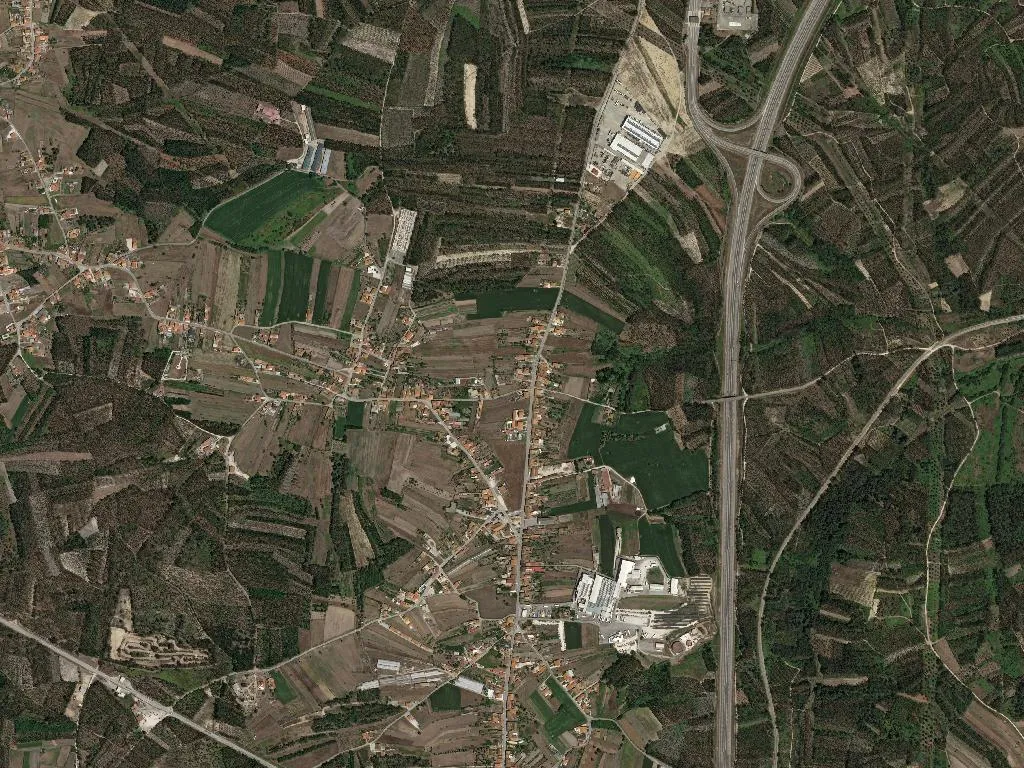
Spread across 28 km², 3,188 residents occupy a scatter of low houses set back from the eroding edge. Ageing is the demographic headline, yet the primary school still has thirty-two pupils, enough to keep the café-stationer in pencil cases. Five registered guest-houses—three converted farmsteads, two timber cabins—host a thin stream of geology walkers and Santiago through-hikers; occupancy peaks during spring equinox tides when the platforms are exposed longest. Weekdays begin with tractor engines, end with the thump of small boats being hauled up the slip at Pedra do Ouro. No souvenir stalls, no sunset yoga: just the interval between waves and the smell of diesel mixed with wild carrot.
Evening. The sun drops behind the cape, igniting the cliff face so every bedding plane glows like a filament. The only sounds are the Atlantic breathing in your ear and, every so often, the lighthouse door slamming as the keeper begins his rounds. You realise the landscape is not scenery; it is senior management. People here work to its timetable, insure their tractors against its storms, and calibrate their silence to its rhythm.