Full article about Paião: Fossil Cliffs, Salt Wind & Empty Roads
Cornfields, Jurassic stone and Atlantic spray meet in Paião, Figueira da Foz
Hide article Read full article
The Sound of Stones and the Salt of the Sea
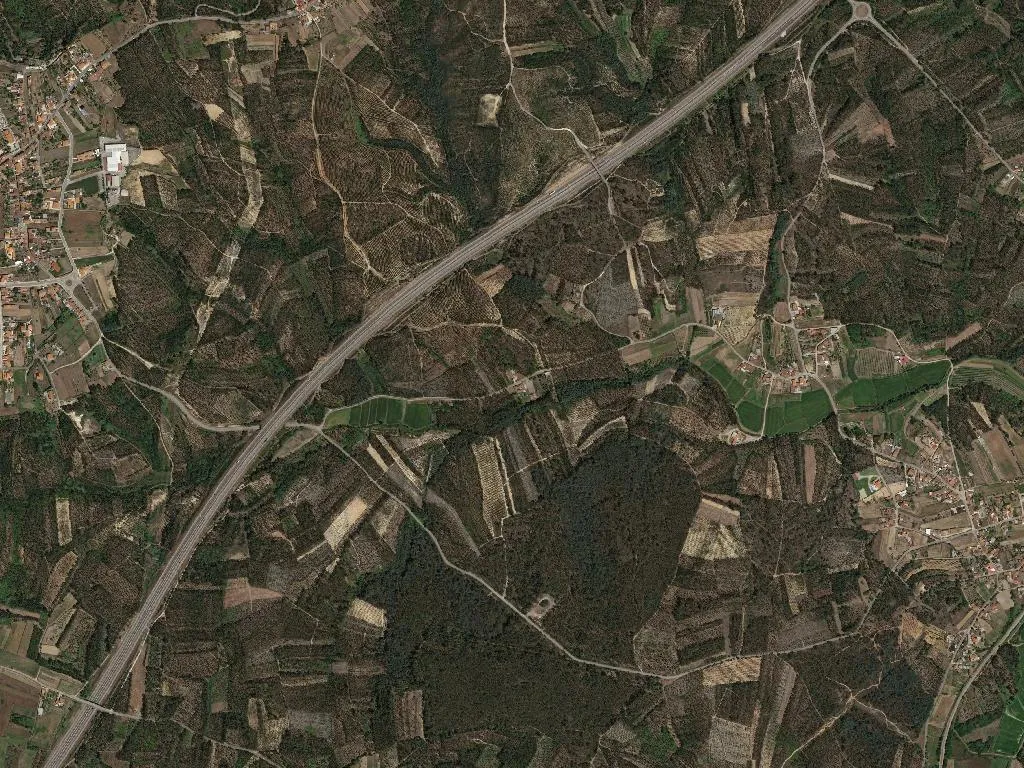
The calçada crackles beneath your soles — a dry, mineral rasp of Pedra do Bico pebbles grinding against leather — and the air arrives with a salt crust that settles on the forearms before you’ve even seen the Atlantic. Paião, the westernmost parish of Figueira da Foz, unfurls at 29 m above sea level between cornfields that ripple like watered silk and the Urso pine belt. It is a hinge zone: the dusty tableland of Alqueidão yields to cork oaks that lean seawards, their trunks silvered by salt-laden mist. The wind is unpaid concierge: some days it combs the treetops with a silk glove; others it slams in from the west, heavy with iodine and wet slate, as if bearing dispatches from the wharves of Horta.
2,768 souls are registered here (INE, 2021), a third of them over 65, fewer than 300 under 14. Space is generous: 30 km² of mosaic fields, pine-scented air and the audible absence of traffic. Houses on Rua do Adro keep their 19th-century proportion: white lime, indigo trim, cabbage rows and rose canes competing for the last square metre of back garden. In Dona Aurelina’s grocery you can still run a tab; no card machine, just a squared exercise book annotated in fountain-pen ink.
Where the land tips into ocean
Seven kilometres west, the Natural Monument of Cabo Mondego rises 60 m in sheer Jurassic limestone. Ammonites and fossilised shrimp spill from the cliff face; local children collect them like pocket money. Each Atlantic punch loosens blocks the fishermen of Buarcos nickname “over-salted potatoes”. Dawn lifts behind the Serra da Boa Viagem; dusk drops straight into the Atlantic, painting the Calhau lookout the same hot orange as the goose barnacles later served at Mar à Vista with tomato-perfumed rice.
Two stone markers anchor the parish. The chapel of Nossa Senhora da Conceção, listed in 1923, carries a Manueline cross that villagers still call “the 16th-century GPS”. Below the ridge, the communal bread oven at Carrasqueira was restored in 2018; on 25 July, feast of St James, oak logs are lit at four a.m. and the air smells of yeast and woodsmoke before the sun is up. No velvet ropes, no audio guide: the granite bench outside the mother church is warmed daily by António Júlio, who times his arrival to the nine o’clock Mass and measures the week by whose coat is hanging on the hook.
Pilgrims and pasture
The coastal variant of the Caminho de Santiago cuts through on Rua da Igreja, splashes past the Fonte Nova fountain and climbs the old N111. You recognise hikers by the crab-shell pink of their pack covers — inevitable souvenir of a tupperware accident in Buarcos. They pause at Café Central for a “pilgrims’ galão” (€2.00, buttered toast 30 c extra) and ask how much further to Murtinheira beach. “Three wind-leagues,” replies Luís, owner and oracle. “Add half a league if you’re carrying laziness.”
The menu here is geographical. Carne Marinhoa DOP — steers that graze the marshy flats of Charneca da Lagoa — appears as bitoque on Rossio terrace or as Sunday roast at Dona Felismina’s. No foreign sauces: just intramuscular fat, Mondego fleur de sel and a thread of olive oil from Lagar do Cabeço. The arithmetic is 48 hours in brine, three over cork-oak embers, six lagers of waiting. Napkins are cloth; paper would surrender.
Logistics without theatre
Beds number fewer than thirty. Casal da Nora is a nineteenth-century manor whose salt-water pool reflects constellations rather than selfie sticks. Quintal da Maria, once the village primary school, keeps the original bell tower and offers 30-meg fibre in classrooms now painted the colour of wet sand. Cantinho do Cabo is Zé Manel’s four-star annex, open only when his wife visits grandchildren in Coimbra. Booking is done by voice: ring, ask “have you space for someone who brings silence?” and the deal is sealed with a postcode and a handshake.
Reach them via the EN111, nineteen minutes from A17 junction 10. GPS falters at the Outeiros roundabout — follow the eucalyptus vapour and ignore the bantam rooster that clearly trained with Google. Crowds are theoretical; Leirosa beach, 12 km south, is where the National Guard film summer safety clips because they don’t have to edit out sunbathers. Paião owns one official viewpoint — Cruzeiro do Viso — but the Instagram dividend is the light: at 6 a.m. the sky is Provence rosé; by 8 p.m. it resembles unfiltered red from Bairrada. Charge your phone or don’t; memory works offline.
When the sun slips behind Cabo Mondego lighthouse and the pine avenues throw long rulers of shadow across the Carrasqueira road, you hear the ocean — not a roar, but a constant presence, like Adelino’s tractor returning from the maize plot. It is a reminder that the Atlantic is seven kilometres away, waiting; and that tomorrow the calçada will crackle again under the feet of whoever dares to arrive.