Full article about Salt wind, pine shadows and Jurassic cliffs at Quiaios
Quiaios blends fossil-studded headlands, dune forests and 5 km of blonde Atlantic beach near Figueir
Hide article Read full article
Salt wind and pine resin
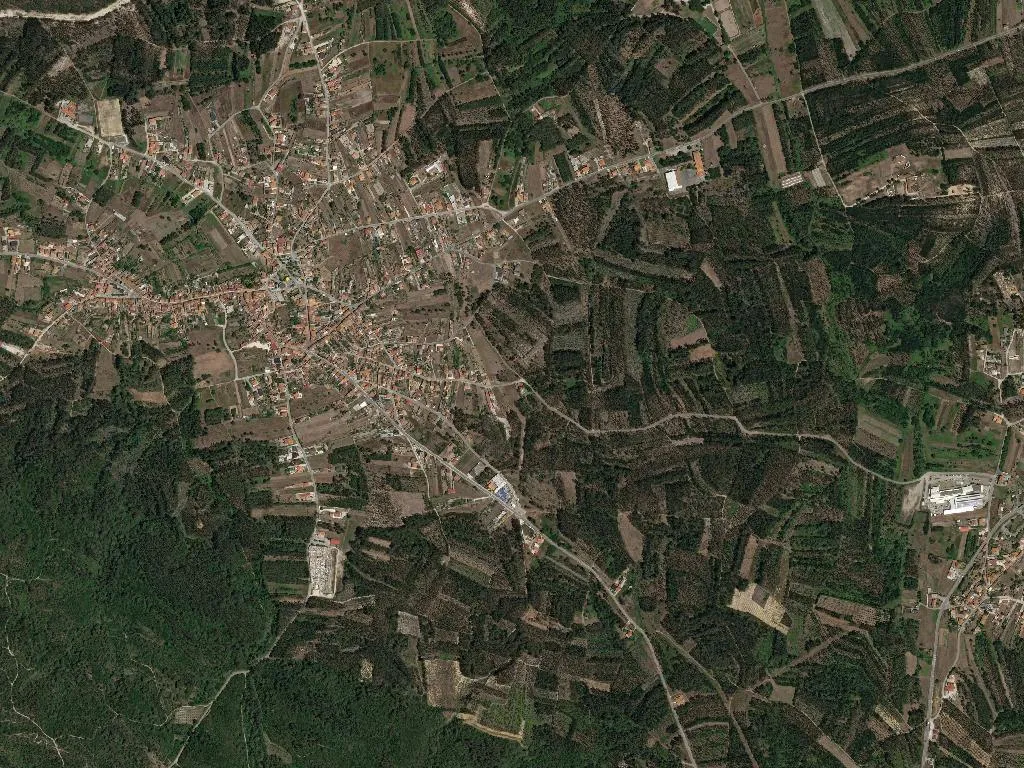
The Atlantic arrives before anything else. A salt-and-iodine draught barrels up the Mondego valley, colliding with the resinous breath of maritime pines that have stitched the dunes together since the 1920s. Fine sand works its way into the gaps of the boardwalk, between the laces of your shoes, even into the late-afternoon light that filters through the canopy of the Mata Nacional das Dunas de Quiaios like powdered gold. At barely 64 m above sea level, this slender ribbon of coast—five thousand hectares sheltering 2 775 permanent residents—breathes in time with the ocean.
Written in stone, read in waves
The name first surfaces in 1143 when Afonso Henriques donated the “villa de Quelhos” to Coimbra’s Santa Cruz monastery. A 1513 royal charter from Manuel I confirms what locals already knew: sardine was king. The parish church, rebuilt after the 1755 earthquake, still shelters eighteenth-century gilded woodwork and a Mannerist altarpiece salvaged from the flooded ruins of Santa Clara-a-Velha. Smaller chapels—Senhor dos Aflitos (1684), Senhora da Graça and Cova da Serpe—once anchored the rural procession calendar, their whitewashed walls bright against the pine shadows.
Head four kilometres north-west and chronology switches to geological time. At Cabo Mondego Natural Monument, 30-metre cliffs slice through 160-million-year-old Upper Jurassic strata. Ammonites and belemnites glint like tropical ghosts; the geologist Carlos Ribeiro identified the sequence here in 1808, one of the first documented fossil sites in the Iberian Peninsula. A 600-metre footpath, opened in 2005, delivers you to the exact sandstone ledge where he hammered out his specimens.
Between dune and breaker
Quiaios beach unrolls for 5.4 km of blonde silica, pinned in place by one of Portugal’s earliest afforestation projects. Fixed dunes now allow alfazema-brava and arméria—coastal endemics—to colonise the foreshore, while a colony of white storks (22 breeding pairs in 2022) has traded inland chimneys for pine crowns. The north wind funnels unobstructed down the valley, grooming reliable Atlantic swells that have drawn surfers since the mid-1970s. José Seabra’s surf school, founded 1993, was the first in the Centro region to earn national accreditation; winter sessions regularly clock 2–3 m waves with no one in the line-up except a lone kiteboarder and the occasional grebe.
Taste of landwash
At dawn, 23 brightly painted boats still launch the traditional xávega haul-seine, a technique Moorish in origin. Sardine season runs May to October; the catch appears the same evening on charcoal grills at Tasca do Joel, where ray wings arrive with corn-bread migas—a recipe Joel’s sardine-netting grandmother taught him. Inland, Quinta do Outeiral turns local kelp into a seaweed-flecked chouriço that cuts sodium by 30 % without sacrificing the smoke-charged bite locals insist on.
Even football has been re-imagined here. The parish’s synthetic training pitch—capacity 250, opened 2004—hosted Carlos Queiroz’s national squad before the 2010 World-Cup playoff against Bosnia-Herzegovina, making Quiaios briefly the centre of Portuguese sporting hopes. Afterwards, players queued at Padaria Central for wood-fired Alentejano bread, a recipe Manuel Dias brought from Serpa in 1952 and never saw reason to change.
When the tide reverses and salt water pushes up the Mondego estuary, the smell of grilled sardine drifts through the pines, mingling with yeast and eucalyptus smoke. Somewhere between the Jurassic cliffs and the shifting dunes, the Atlantic keeps writing its footnotes in salt.