Full article about Tavarede: Mondego’s last breath before Atlantic salt
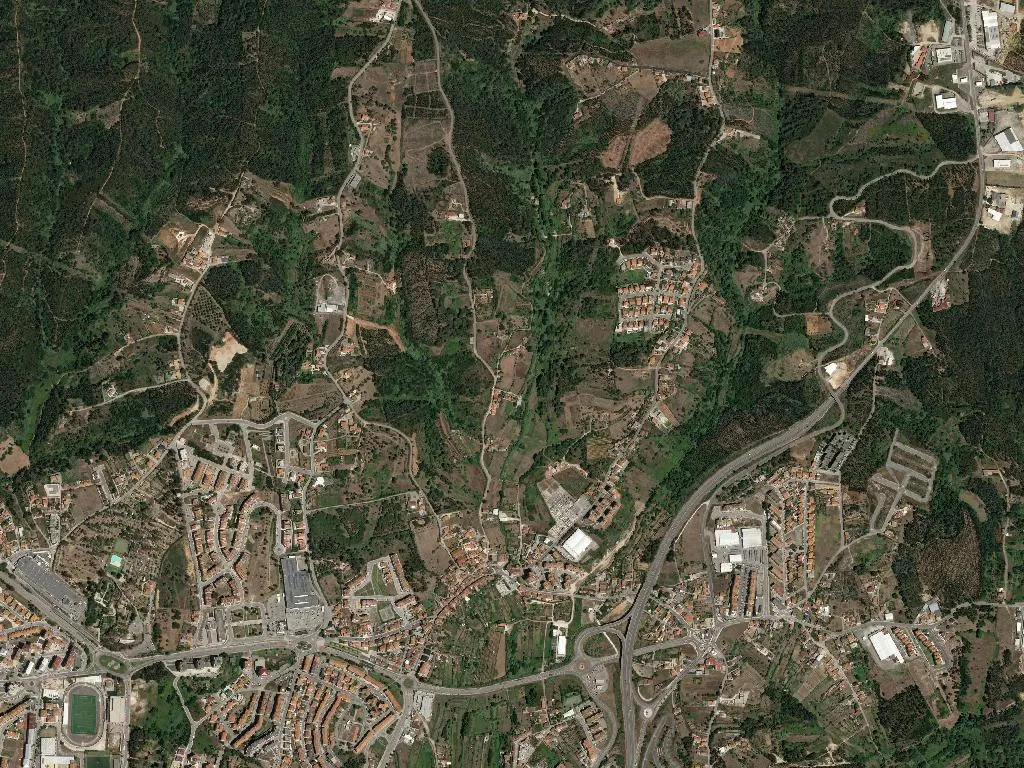
Tavarede, Figueira da Foz, packs 9,400 neighbours into 10 km² between Mondego marshes and 180-million-year-old Cabo Mondego cliffs
Hide article Read full article
Tavarede, where the Mondego tastes the Atlantic
Salt arrives before the ocean does. At a mere 35 metres above sea level – barely a ripple in the land – Tavarede sits on a low shelf between the Mondego’s final exhale and the Jurassic cliffs that nudge it into the Atlantic. Dawn light slants through terracotta roofs, throwing long shadows over streets where 10,000 people conduct life at an un-showy pitch. You’ll hear the ignition of a bus to Figueira da Foz and, in the same breath, a blackbird drilling its song from a loquat tree in someone’s back garden. Neither village nor city, Tavarede occupies the in-between.
A parish measured in footsteps, not kilometres
Ten square kilometres hold 9,400 inhabitants per square kilometre – a density higher than Brighton’s. Low garden walls allow neighbours to trade morning news without raising voices; school satchels swing past plastic chairs where octogenarians sun themselves beside pots of basil. More than 1,400 residents are under eighteen, yet almost 2,000 are over sixty-five, giving the streets a generational layering you feel rather than read about: GCSE revision notes wedged under a windscreen wiper beside a retired fisherman’s cane propped against the post office door.
Walk at 08:00 and the air is an espresso shot spiked with wisteria. By noon it turns savoury – onion hitting warm olive oil in a kitchen you can’t see. There is traffic, but it yields to pedestrians with the courtesy of people who know the sea isn’t going anywhere.
180 million years in one cliff-face
Five minutes west, Cabo Mondego Natural Monument rears up – a 40-metre textbook of Jurassic limestone and marl that geologists cross continents to examine. Each stratum is colour-coded by time: dove-grey for the Oxfordian, buff for the Kimmeridgian, veins of flint catching the late sun like struck matches. The Atlantic hammers the base in a slow, arrhythmic drum you feel in your ribcage before you actually hear it. Look east and the Gândara plateau – a mosaic of eucalyptus and cow pasture – slides gently towards Coimbra; look west and there is only water, all the way to New York.
Official protection arrived in 2007, but fishermen have always treated the headland with courtly deference: no radios, no litter, and absolutely no dynamite. The result is a cliff-edge where you can stand on Britain’s distant pre-Jurassic twin and watch peregrines stoop above ammonite fossils the size of dinner plates.
Scallop shells painted on tarmac
The Coastal Way of St James – the Portuguese Caminho’s breezy sibling – cuts straight through Tavarede. Pilgrims emerge from the Mondego cycle path, boots powdered with a mixture of sand and tar, and head for the parish’s thirteen registered guesthouses: spare rooms with crisp sheets, Wi-Fi passwords taped to the mirror, and a fig tree outside the window. At dawn you’ll meet them buying coffee and foil-wrapped sandwiches, scallop shell badge catching the light, before they tramp north towards the pine forests of Quiaios and, eventually, Santiago itself. The village provides what every long-distance walker craves – a launderette that opens at seven, a chemist that stocks Compeed, and a bakery whose pastéis de nata leave glossy smudges on the paper bag.
Beef that tastes of wet pasture
On restaurant menus look for Carne Marinhoa DOP, meat from the native, wheat-blonde cattle that graze the water meadows outside town. The breed’s diet of wild sorrel and river reeds gives the beef a mineral depth impossible to replicate in feed-lot systems. Grilled over baga (olive prunings) with nothing more than coarse salt and a thread of local olive oil, a 400 g bife de chorizo (sirloin, not sausage) arrives mahogany-crusted and pink-centred, releasing an almost oyster-like liquor when you cut into it. Pair it with a glass of Bairrada’s juicy casta nacional and you understand why Portuguese chefs speak of terroir without a flicker of self-consciousness.
The pause between river and cliff
Tavarede will not shout for your attention. It has no casino, no Belle-Époque promenade, no university libraries dripping with baroque gilt. What it possesses is the rarer talent of allowing ordinary life to unfold without theatre: the metallic glide of a sash window at 07:15, the gun-crack of a white sheet snapped open in the garden, the faint iodine breeze that drifts inland and reminds you, every few minutes, that the ocean is simply waiting for the river to finish its sentence.