Full article about Sunlit silence of Gândaras, Lousã
At 137 m, morning light squares the terracotta floor while 1,111 villagers quietly tend olive groves
Hide article Read full article
Morning squares of sun
At 7.30 a.m. the thermometer on Rua da Igreja hovers at 8 °C, yet sunlight already slides through sash windows and prints bright quadrangles across the terracotta floorboards. A single tractor, Zé Mário’s green-and-yellow John Deere, coughs into life; Bobi, Sr António’s mongrel, barks twice, then thinks better of it. Gândaras—137 m above sea level, 1,111 souls—wakes without fuss.
Demography tells the story faster than any guidebook: 299 residents over 65, only 115 under 18. In the 1950s the parish council shifted the village centre downhill, laying out wider streets that now feel generous for the traffic they rarely receive. Schist walls darken where the old doctor’s house has been empty since the last locum left, but most façades are refreshed every spring by Sr Joaquim’s three-man crew, who limewash 47 houses between March and May, brushing the mix exactly three times so it grips.
The quiet weight of land
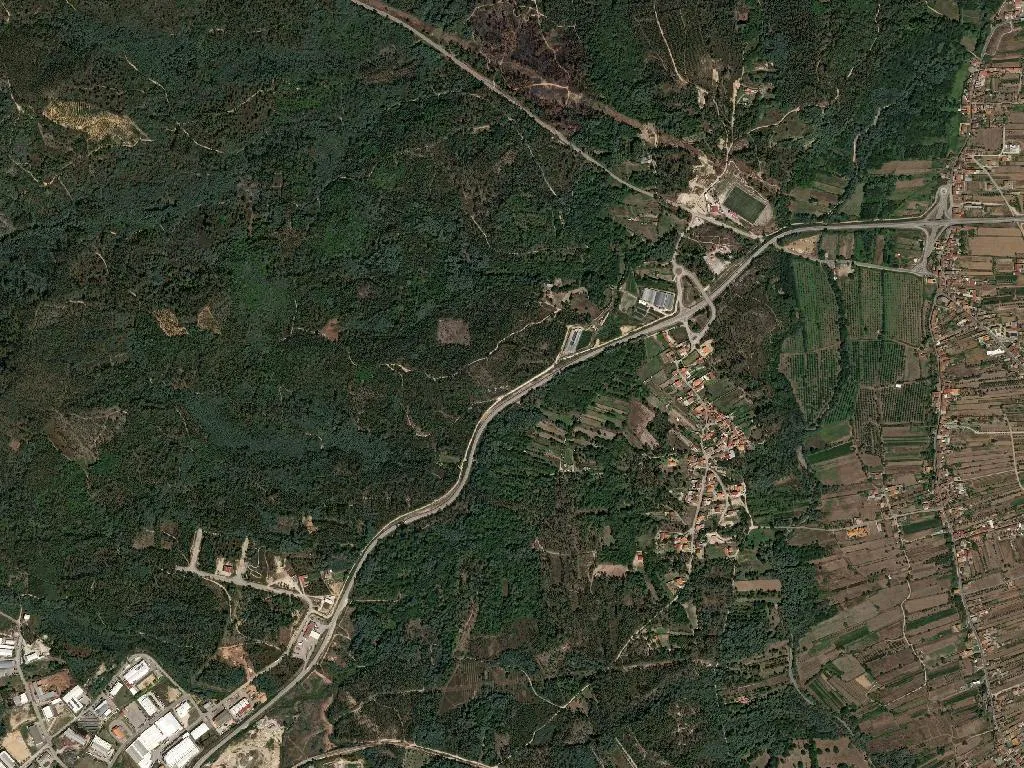
The parish covers 10.87 km²—roughly the size of Gibraltar—giving a density of 102 people per square kilometre. Walk ten minutes and the arithmetic makes sense: open field where Alberto sows 3 ha of maize, a 25-year-old eucalyptus block licensed to The Navigator Company, Dona Amélia’s 80-tree olive grove. Road EM-518 uncoils slowly, flanked by dry-stone walls thrown up between 1936 and 1942 by the Obra das Fontes public-works scheme. No plaques commemorate them; instead, the 1874 fountain in Praça da República still draws a dozen women each morning who fill five-litre carafes before the day warms.
Six legal lodgings—Casa do Fontão, Quintal da Avó, Olaria de Gândaras, Monte da Esperança, Casa da Eira, Retiro da Serra—offer a total of 17 bedrooms. Guests sleep on linen changed at 10 a.m. by Dona Lurdes, then breakfast on bread from O Pão Nosso (baking since 1983) and blackberry jam made by a neighbour who insists the fruit comes from canes her own grandmother planted.
Between sound and silence
Midday is announced not by phone alerts but by the 1835 bell of Igreja de São João Batista: three unhurried strokes that carry further in winter air. By late afternoon the village murmur concentrates in Café Central, where João, Toninho and Sr Silva debate the council’s purchase of 14 ha for a future wind farm. Women walk past clutching Minipreço carriers, greeting each other without breaking stride—47 years of shared pavement since the first Casas do Arco social housing went up in 1977.
Walk to the edge and civilisation simply stops. Sr Alfredo’s last maize row abuts the scrub his brother let run wild in 2018; the Quintal Grande hayloft, roofless since its owner died in 2009, is being slow-reclaimed by ivy. Agriculture still shapes 145 ha, vines another 23, olives 67. Sr Joaquim’s terraces retain their 1964 width—1.20 m, the span of his father’s out-stretched arms—measured originally with a stick cut from a chestnut branch.
What the hands remember
At 19.47 on a July evening the stone fountain still radiates 32 °C of stored daylight. Célia waters her vegetable plot at 20.15, releasing the scent of wet basalt; footsteps echo along Rua da Escola where 14 pupils once recited times tables before the primary closed in 2009. Grandeur here is the refusal to stop: potatoes sown on the same ridge since 1953, olives picked from 15 trees already mature when the First World War began, a community where nearly half the population is past retirement age yet still climbs slopes before breakfast.