Full article about Semide & Rio Vide: Lace, Chanfana & Smoke-Cured Secrets
Benedictine nuns, spider-stitch lace and clay-pot chanfana perfume Miranda do Corvo’s twin villages.
Hide article Read full article
The rhythmic clack of bobbins against a lace-stuffed cushion slices the afternoon stillness. On the granite step of a low white house in Semide, four pairs of age-spotted hands work cotton threads finer than dental floss into a geometry of flowers no pattern book has ever recorded. The design—an eight-petalled rosette ringed by tiny spider-stitch bridges—lives solely in muscle memory, transmitted, so the lacemakers insist, since the day an anonymous nun walked out of the long-gone monastery and taught the first village girl to “draw with air”.
Stones, nuns and the smell of stew
That nunnery, the Benedictine Mosteiro de Santa Maria de Semide, was founded in 1162 as one of Portugal’s earliest women’s houses. Its legacy is edible: chanfana, a clay-pot kid-or-lamb stew marinated overnight in red wine, garlic and bay; negalhos, triangular offal pastries; and the saffron-scented “wedding soup” still ladled out at local marriages. The monastery, now an Imóvel de Interesse Público, unlocks for pre-booked visits—collect the key from the adjoining café where the coffee comes with a side of gossip and cinnamon-scented sponge cake.
Across the lane, the parish church of Nossa Senhora da Assunção keeps its 1740s baroque retable gilded and intact; in Rio Vide, tiny chapels dedicated to St Anthony and St Sebastian double as way-markers for hikers who lose the river path in the maize fields.
Smokehouses and winter tables
From November to February the air turns porcine. Sarrabulho—a dark stew of liver, blood and neck meat thickened with cornmeal—bubbles in black clay pots while smoke coils from rooftop chimneys curing chouriço for the year ahead. The sweetness comes later: pumpkin porridge loosened with mountain honey from Lousã, and favas aporcalhadas, broad beans wallowing in smoked-pork stock so rich the spoon stands upright. During April’s Semana Gastronómica the parish council lays on communal lunches at tasca prices; otherwise reserve ahead at O Cerrado on the EN17 where the chanfana has simmered for 36 hours and the cook will not be hurried.
Between ridge and river
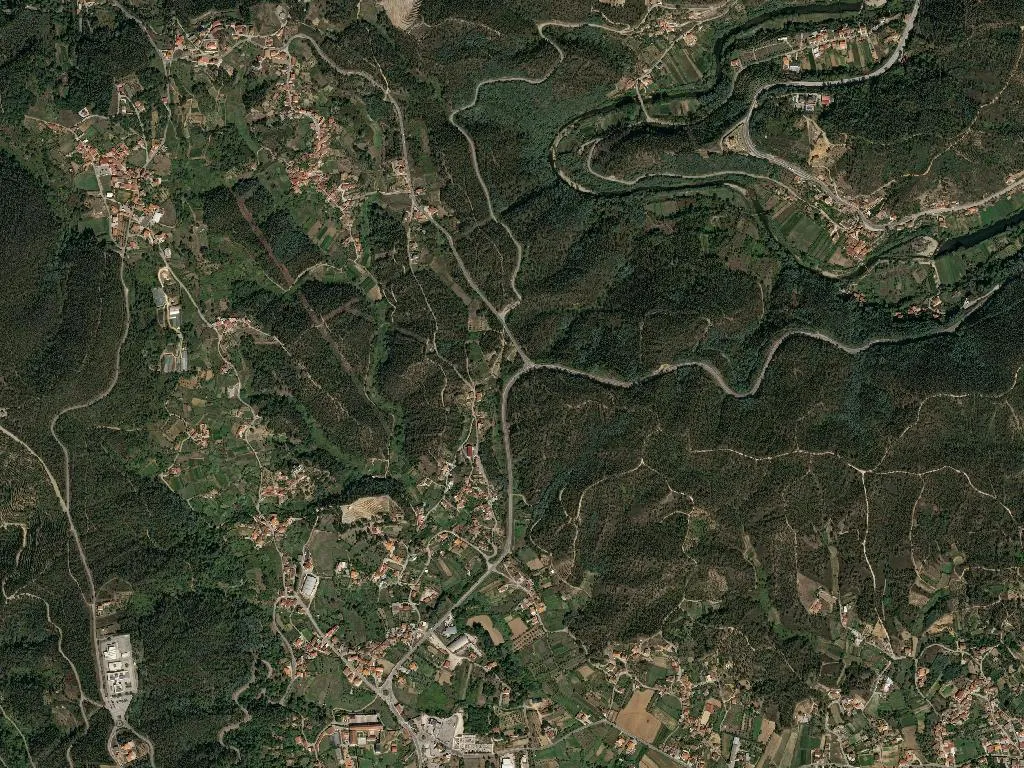
The Semide ridge rises 650 m above the Rio Ceira, a granite backbone clothed in umbrella pine and strawberry tree. PR2 “Trilhos do Vide” is an 8.5-km loop that starts under the thirteenth-century bridge at Rio Vide, climbs through heather to the Fratel lookout, then descends past rock pools deep enough for a midsummer plunge. Wild-boar hunters come for the municipal hunting zone enlarged in 2008; basket-weavers head to Sr António’s workshop in Torno, open weekdays 9-5, where split chestnut strips become bread-proofing baskets sturdy enough for a decade’s use.
Thread that refuses to snap
Dona Celeste’s lace school, two doors from the monastery café, starts at nine sharp. A single 40 cm table-centre takes fourteen days, costs €25 and will outlast its maker. Cotton arrives from Viseu, but the pattern is pure Semide—no graph paper, no YouTube tutorial, only the echo of clacking wood. Monthly workshops run by Miranda do Corvo library accept beginners; expect bruised thumbs and a sudden reverence for silence. Outside, a tractor backfires, a dog barks, the church bell strikes four. Inside, the bobbins keep counting time, knotting memory into something you can fold and carry home.