Full article about Liceia’s Rice-Flat World Beneath Atlantic Skies
Where Carolano grain ripples past Zé Manel’s gate and tractors hum home at dusk
Hide article Read full article
The scent of wet earth rises like the moment you open the cellar where the potatoes slept through winter
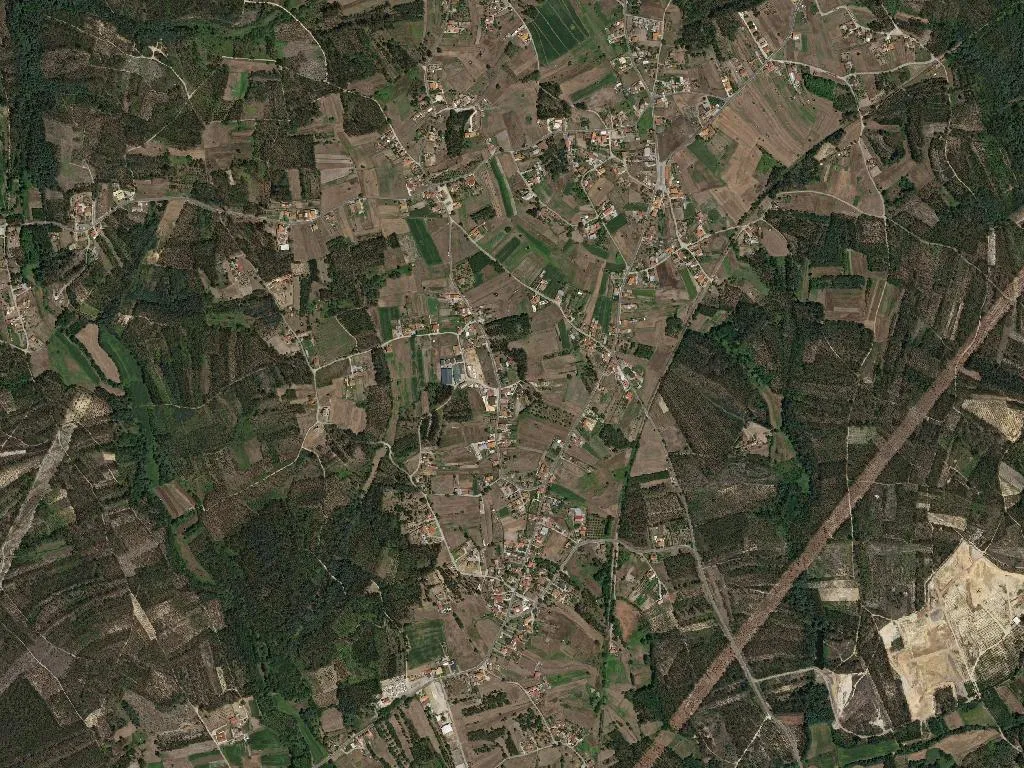
Liceia spreads across the Baixo Mondego flood-plain where time is measured in rice. In May the paddies become sky-mirrors; by August they’ve drained to reveal emerald heads of Carolino grain. The horizon is ironed flat—one line of eucalyptus, a scatter of single-storey houses that seem to duck when the Atlantic wind arrives, and a church tower that keeps its voice low.
The rice that isn’t white, it’s Marinhoa
Carolino rice is the shy cousin no one remembers to photograph yet always carries the sofa downstairs. It smells faintly of nutmeg, cooks to a velvety broth and makes Arborio feel like sliced supermarket loaf. In village kitchens it is never a side dish; it is the dish. Caldeiradas are built around it, and when Carne Marinhoa DOP tumbles into the same pot the combination behaves like the family raconteur meeting the uncle who still treads his grapes—predictably brilliant.
Where the elders still give directions by stories
Population 1 051, of whom 304 have passed their 65th birthday. Streets are still referred to as “the lane past Zé Manel’s gate”, and the old mill is pointed out the way you indicate the spot you lost a milk tooth. All 102 local children ride unbranded bikes across yesterday’s pasture, chasing footballs through cowpats. The primary school employs more teachers than pupils, yet both doors open every morning, mirroring the café that pulls its first frothy imperial at nine o’clock sharp.
Altitude 56 m—too low for a Lisbon river view, high enough here to judge whether the Mondego is running fat or lazy. No belvederes, no selfie-deck. Just the churchyard wall where you sit to watch Joaquim’s tractor arc home at dusk, trailing diesel that mingles with the sweet dust of corn husks.
Come, but leave your hurry at the bridge
Liceia prints no postcards. It has a grocery where Dona Alice asks every newcomer, “Who’s your father?” It has the October Festa da Senhora da Saúde, when sarrabulho rice is ladled into clay bowls the priest’s daughter once carried back from Alcobaça. There is no itinerary; there is the suggestion to find Sr António at seven a.m. while he waters his allotment. He will sketch his own paddies on the cement with a medlar twig and explain why local grains refuse to go mushy.
Arrive by car, by bicycle, but not in heels—the cobbles tilt like Uncle Albino’s after-dinner stories. And come hungry: if you’re invited for lunch someone will already be shouting, “Zé, fetch another bottle,” and refusal is taken as personal insult to the matriarch.
When the sun drops behind the eucalyptus and the flooded fields flash like copper chessboards you’ll understand: Liceia is not a place to visit, it is one to digest—slowly, warmly, the agreeable hangover of a dinner that lasted until the stars blinked off, with people you met only last night but who feel like childhood.