Full article about Seixo de Gatões: Where Rice Fields Marinhoa Beef
Seixo de Gatões, in Montemor-o-Velho, Coimbra, Portugal. In this Coimbra parish, IGP Carolino rice and DOP Marinhoa cattle share clay soils 68 m above the.
Hide article Read full article
Rice on the breeze, 68 m above sea level
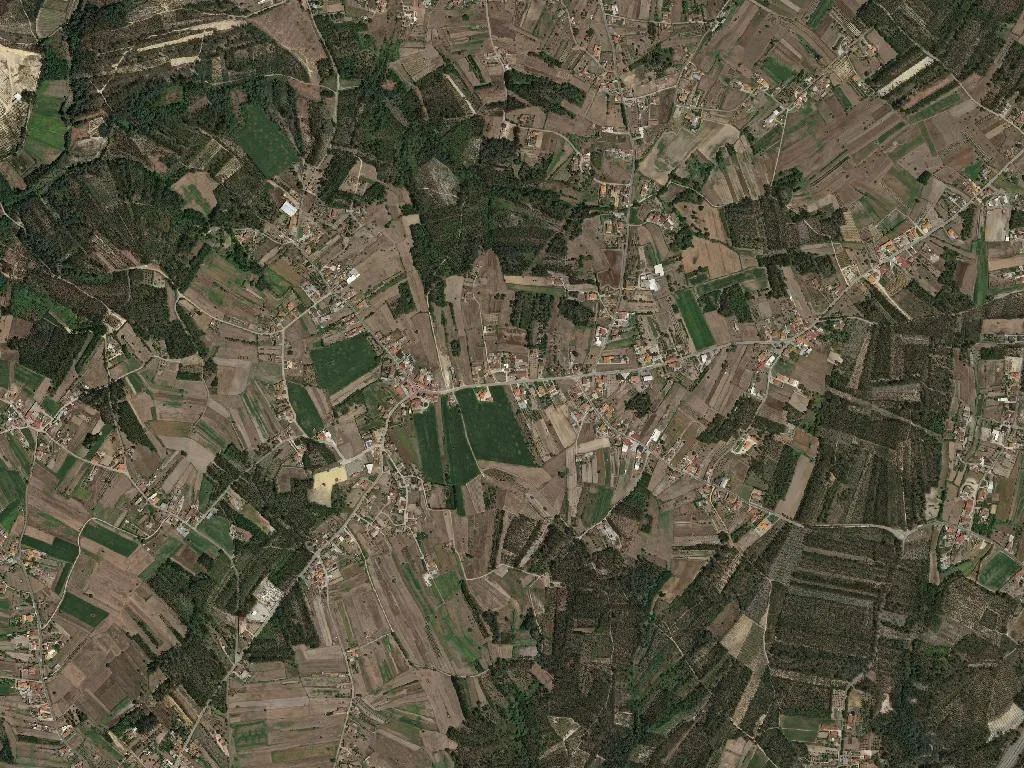
You smell Seixo de Gatões before you see it. A damp-cereal tang drifts up the N111, riding the same Mondego-laden air that once powered the town’s now-silent watermills. By late afternoon the low sun skims the paddies, turning the irrigation ditches into quicksilver threads between viridescent blades. Everything here obeys the water table: when the river rises, the fields drink; when it falls, farmers open sluices carved in the 19th-century moulds of the Associação de Beneficiadores do Arroz. At 68 m, you are just high enough to keep boots dry, just low enough for clay to trap every footprint.
Two protected names, one pot
The parish lives inside two overlapping labels. The rice is Arroz Carolino do Baixo Mondejo IGP – short, absorbent, deliberately bred by the Estação Agronómica in the 1920s to perfume the local malandrinho stews. The beef is Carne Marinhoa DOP, from dun-coloured cattle that graze the adjacent bocage meadows; the breed’s intramuscular fat tastes of wild fennel and salt marsh because, for most of the year, that is exactly what they eat. Order arroz de cabidela at the only tasca open at noon and you are served a dish that is essentially an edible map: river, pasture, clay, salt.
Population 1,344 – everyone accounted for
Census spreadsheets reveal the social fabric with almost embarrassing precision. Children under 14: 155. Over-65s: 351. The ratio keeps the primary school viable (just) and the parish council’s bus to the centro de saúde in Montemor-o-Velho fully booked every Thursday. Granite thresholds have been polished by three generations of the same soles; summer light bounces off limewash the colour of fresh buttermilk, while painted shutters – ox-blood, eucalyptus-seed, indigo – provide the only Pantone drama in a landscape calibrated to rice green. When the church bell strikes seven, labourers planting variável seedlings straighten their backs automatically; the sound carries 3 km, the exact length of the main levada.
Where the valley dictates the footpath
Walk the unpaved caminho municipal at sunrise and the logic becomes physical. Below you: the mirror-flat paddies, water warmed by nightly release from the Barragem de Aguieira. Above you: a one-metre rise onto loam where household oranges swell and runner beans climb bamboo tripods. Late August turns the crop from jade to parchment; whole square kilometres ripple like a single sheet shaken in the wind. There is no gift-shop, no tasting-menu, no interpretative board – just one rural B&B registered with Turismo de Portugal and a shop that doubles as the post-office, where coffee is still measured out in 25 g foil sachets. Bread arrives from a wood-fired oven in Montemor twice a week; if you want it on other days you drive the 11 km yourself.
Dusk pulls the temperature down the way a blind descends. The paddies reflect a last shard of vermilion; egrets fly low, wings catching bronze. Somewhere a tractor with no cab doors reverses into a barn, its reversing beep the only electronic noise for miles. Seixo de Gatões does not court visitors; it simply continues, season after season, at the precise altitude where rice roots meet the Mondego’s silt and a parish can still recognise every face framed in its own doorway.