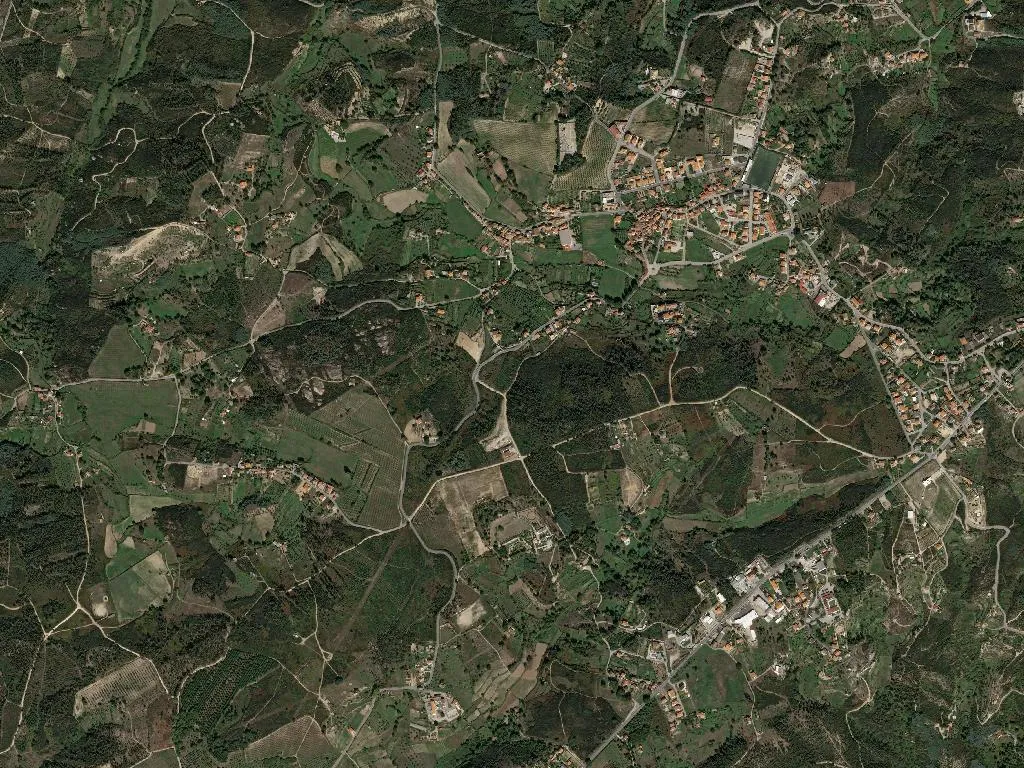
Full article about Nogueira do Cravo: where pillories ping like empty bottles
Octagonal stone, pinewood smoke and Serra cheese—this 2,168-soul village murmurs its 1258 story.
Hide article Read full article
The pillory stands in the square like a wine glass left behind at last orders—octagonal, ignored, its carved rosettes bleached to the colour of spilled salt. Pinewood smoke drifts from the chimneys; you can actually smell it, no metaphor required, crackling to let the neighbours know Jorge is home from the fields. Nogueira do Cravo doesn’t announce itself; it murmurs, the way you order a coffee when you’re trying not to crease the morning paper.
When masons spoke in code
I’ve lived where history is ticketed and flood-lit; here it’s free, but you have to listen. The parish numbers 2,168 souls—fewer than turn up for a Sporting Lisbon reserve match—and a 1258 charter calls it Couto de Nogueira. Yet the document matters less to 87-year-old Domingos than the receipt for his first tractor. What he remembers is the builders’ patois of his childhood, a slate-and-mortar slang half the priest couldn’t follow. They dubbed it the “arguina verbs”: just enough Portuguese to beg a cigarette while the foreman thought you were asking for a chisel. The dialect is extinct now, but Domingos still hears the schist ring of trowel on stone.
The pillory is the only monument with a plaque; everything else is simply still working. It sits in the cobbled largo like a lamppost that forgot to leave after the 1514 royal charter. Tap it and it answers with the hollow ping of an empty bottle. Next door, the Igreja Matriz has a date carved over the door, yet so many facelifts have passed that even the Virgin’s expression seems to shift with the century.
Serra cheese and Dão vines
Altitude flavours everything: 535 m of air cured for Queijo da Serra and just enough chill to keep Dão reds articulate. Buy the cheese on a Friday, after the weekly market, when Jacinto appears with the batch from his wife’s quinta—no foil sticker, just the taste of chestnut-leaf wrap and hillside pasture. Chanfana is goat, slow-simmered in red wine, but bring your own pão de tabuleiro: the crusty tray-bread sells out by 11 a.m., after which every bakery offers only apology. Pour the wine into a 2 dl glass that fits the hand like a warm river stone; American measures drown the granite minerality. The Beira Alta apple turns up everywhere—dessert, jam, and in the hands of Lisbon weekenders hunting something “Instagrammable”.
Inside the Geopark Estrela
Enter the Estrela Geopark and you’re in the sort of pub where everybody knows your face but won’t introduce themselves. The reserve spreads across 1,498 hectares, yet road maps are decorative: lanes bend like paperclips and signposts retire early. Quinta da Encavalada takes overnight guests without asking for credentials; pack slippers, the schist floors stay cold even in August. There are no gift shops, only Silvestre, the village mongrel who’ll escort you to the ravine, then trot home—no biscuits, no fuss. The Carvalhal trail is straightforward: descend, drink from the spring, climb back up. Leave 50 c in Senhor Aníbal’s pot; it’s not a fee, it’s a thank-you.
At dusk the lights switch on one by one, like distant lorries on the A1. Wood smoke rises ruler-straight, the sky bruises violet, and from a terrace someone rehearses a gaita de foles—not a concert, just António preparing for Sunday’s procession. Nogueira do Cravo asks for no five-star praise; give it an afternoon and it will whistle you back whenever the mountain air tugs at your lungs.